简体中文
简体中文 English
 繁体中文
繁体中文 Deutsch
 Русский
- Application solution of aluminum silicate insulation material for thermal power plants
- Application scheme of rock wool insulation material in building exterior wall insulation system
- Thermal insulation and cooling solution for rubber sheets/pipes in cold storage refrigeration pipelines
- Polyurethane insulation pipe municipal hot water supply system scheme
- Application scheme of rock wool board in the field of transportation
Polyurethane insulation pipe municipal hot water supply system scheme
Polyurethane insulation pipe municipal hot water supply system scheme
1、 Project Overview
1.1 Project Background
With the increasing demand for centralized heating in cities, the use of polyurethane prefabricated buried insulation pipes to construct municipal hot water supply pipelines can effectively reduce heat loss, minimize the impact of construction on urban traffic, and extend the service life of the pipeline network. This plan is applicable to municipal hot water projects such as urban centralized heating, residential heating, and domestic hot water supply.
1.2 Design Basis
-Design Specification for Urban Heating Network CJJ34-2010
-Technical Specification for Directly Buried Hot Water Pipelines for Urban Heating CJJ/T81-2013
-High Density Polyethylene External Protection Pipe Polyurethane Foam Plastic Prefabricated Directly Buried Thermal Insulation Pipe CJ/T 114
-High Density Polyethylene Outer Protection Pipe Polyurethane Foam Plastic Prefabricated Directly Buried Thermal Insulation Pipe Fittings CJ/T 155
-T/CASMES 417-2024 "Construction Specification for Polyurethane Prefabricated Directly Buried Insulation Heating Pipeline in Municipal Engineering"
1.3 Scope of Application
-Hot water medium temperature: ≤ 120 ℃ (short-term peak can reach 150 ℃)
-Pipeline design pressure: ≤ 2.5MPa
-Nominal diameter range: DN50-DN1200
2、 Pipe selection
2.1 Pipeline Structure Design
The polyurethane prefabricated buried insulation pipe adopts a "three in one" composite structure:
Technical requirements for structural layer materials
Seamless steel pipe/spiral welded pipe (GB/T8163) for work, with corresponding wall thickness selected according to the medium pressure
Insulation layer rigid polyurethane foam density ≥ 60kg/m ³, closed cell rate ≥ 90%
Outer protective tube made of high-density polyethylene (HDPE) with a density of ≥ 940kg/m ³ and an elongation at break of ≥ 350%
2.2 Technical Performance Indicators
Project performance requirements
Thermal conductivity ≤ 0.024 W/(m · K) (23 ± 2 ℃)
Compressive strength ≥ 200 kPa
Water absorption rate ≤ 3%
Closed pore rate ≥ 90%
Temperature resistance range -90 ℃~+120 ℃ (peak value 150 ℃)
Service life of 30-50 years
2.3 Leakage alarm system
Bury leakage alarm lines in the insulation layer, monitor the leakage situation of the pipeline network in real time through detection instruments, accurately locate the fault point, and ensure the safe operation of the pipeline network.
3、 Pipeline Network Design
3.1 Design Parameters
Parameter values
Design supply/return water temperature 110 ℃/50 ℃
Design pressure 1.6 MPa
Pipeline roughness 0.5 mm
The insulation thickness is determined based on the pipe diameter and medium temperature (usually 30-50mm)
Minimum burial depth ≥ 1.2 m (under the roadway)
3.2 Pipeline laying method
Direct burial laying (main method):
-Water supply pipeline: using compensated direct burial cold installation, locally uncompensated direct burial
-Return water pipeline: cold installation without compensation direct burial laying is adopted
Overhead/pipe gallery laying (special sections):
-Suitable for crossing rivers and areas with dense underground obstacles
-The outer protective layer can be made of metal materials such as galvanized sheet and aluminum sheet
-B1 grade flame-retardant polyurethane insulation material can be used
3.3 Pipe fittings configuration
Pipe fitting type, material/requirements
Prefabricated insulated elbows made of the same material as the main pipeline
Prefabricated insulation tee with axial shear stress ≥ 0.08MPa
Compensator: Choose sleeve compensator or bellows compensator based on calculation
Fixed pier reinforced concrete structure, determined by calculating the design thrust
4、 Construction plan
4.1 Construction process flow
Trench excavation → cushion layer construction → pipeline welding → interface insulation → pipeline laying → hydrostatic test → backfilling and compaction → road surface restoration
4.2 Key Construction Requirements
1. Trench and cushion layer
-Bottom width of groove: pipe diameter+600mm (300mm operating space on both sides)
-Lay a 10-15cm fine sand cushion layer at the bottom of the pipe, with a density of ≥ 90%
-Soft soil foundation requires reinforcement treatment
2. Pipeline welding
-Steel pipe welding shall comply with the GB50236 specification
-100% ultrasonic testing of welds
-Insulation layer construction can only be carried out after anti-corrosion treatment of the weld joint
3. Interface insulation
-The construction environment temperature should be 10-40 ℃, and the humidity should be less than 80%
-Using a foaming machine for on-site pouring, a trial pouring is conducted before formal pouring to determine the process parameters
-The density and closed cell rate of foam shall be consistent with the pipe body
-The next process can only be carried out after maturation
4. Hydrostatic test
-Test pressure=working pressure × 1.5
-Holding pressure for 30 minutes without leakage is considered qualified
5. Backfilling requirements
-Use fine sand layer by layer backfilling, with each layer thickness ≤ 30cm
-Density ≥ 90%
-Backfill to the design elevation and restore the road surface
5、 Quality control
5.1 Material Inspection
-Insulation pipes and fittings must have factory certificates and inspection reports
-The appearance of the outer protective tube is free of cracks, bubbles, and impurities
-The foam insulation layer shall be free of cavities and layering defects
5.2 Process Inspection
-Each process must be inspected and accepted by the supervisor upon completion
-Sampling and testing of interface insulation (density, thermal conductivity)
-Complete weld inspection report
5.3 Acceptance Criteria
-Code for Construction and Acceptance of Industrial Equipment and Pipeline Insulation Engineering GBJ126-89
-T/CASMES 417-2024 "Construction Specification for Polyurethane Prefabricated Directly Buried Insulation Heating Pipeline in Municipal Engineering"
6、 Operation and maintenance
6.1 Operation monitoring
-Install pressure gauges and thermometers at the entrance end
-Real time monitoring of leakage alarm system
-Regularly patrol and inspect for road surface abnormalities (sinking, water seepage)
6.2 Maintenance Measures
Check project cycle
Check the status of valves and compensators in the well every month
Leakage alarm system testing every quarter
Pipeline water pressure test before the heating season every year
Pipeline corrosion testing every 3-5 years
6.3 Emergency Response
-Establish an emergency plan for pipeline accidents
-Equipped with emergency repair equipment and materials
-Timely excavation and repair after locating the leakage alarm system
7、 Quantity reference
Based on actual project experience, the typical project quantities for the renovation of heating pipeline networks in residential areas are as follows:
Pipe diameter length (meters)
DN250 70
DN200 approximately 3000
DN150 approximately 1400
DN125 approximately 2900
DN100 approximately 4500
DN80 approximately 2300
DN65 approximately 1800
>The actual engineering quantity is calculated based on the design drawings.
8、 Advantages of the plan
1. Energy saving and efficient: thermal conductivity ≤ 0.024W/(m · K), heat loss is only 25% of traditional pipes
2. Waterproof and anti-corrosion: closed cell rate ≥ 90%, effectively preventing groundwater erosion
3. Convenient construction: Directly buried laying reduces road excavation, and pipelines can be prefabricated in the factory
4. Safe and reliable: leakage alarm system+30-50 years of service life
5. Comprehensive cost: short construction period, low maintenance costs, significant long-term economic benefits
related products
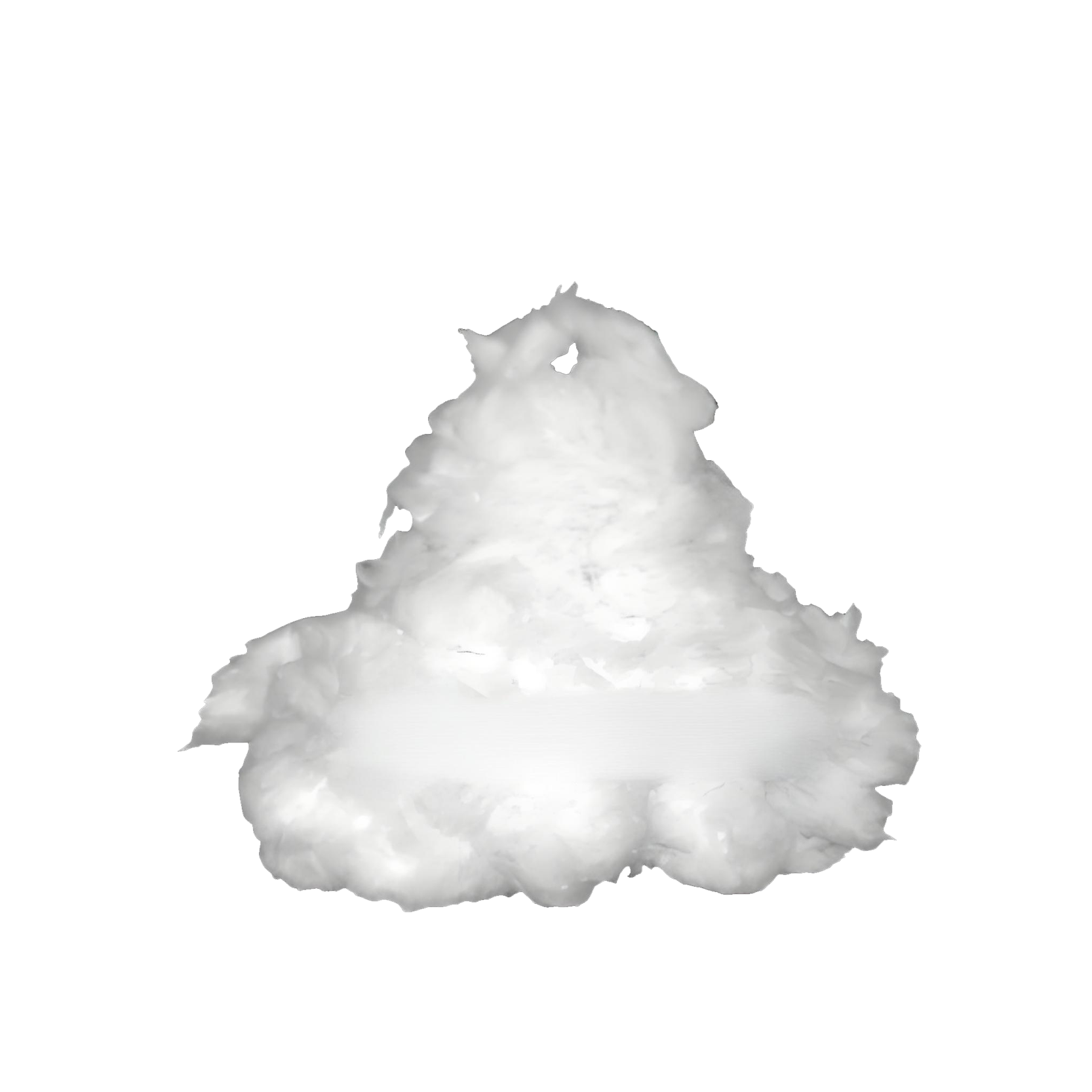
Aluminum silicate fiber textile cotton
Aluminum silicate fiber textile cotton i...
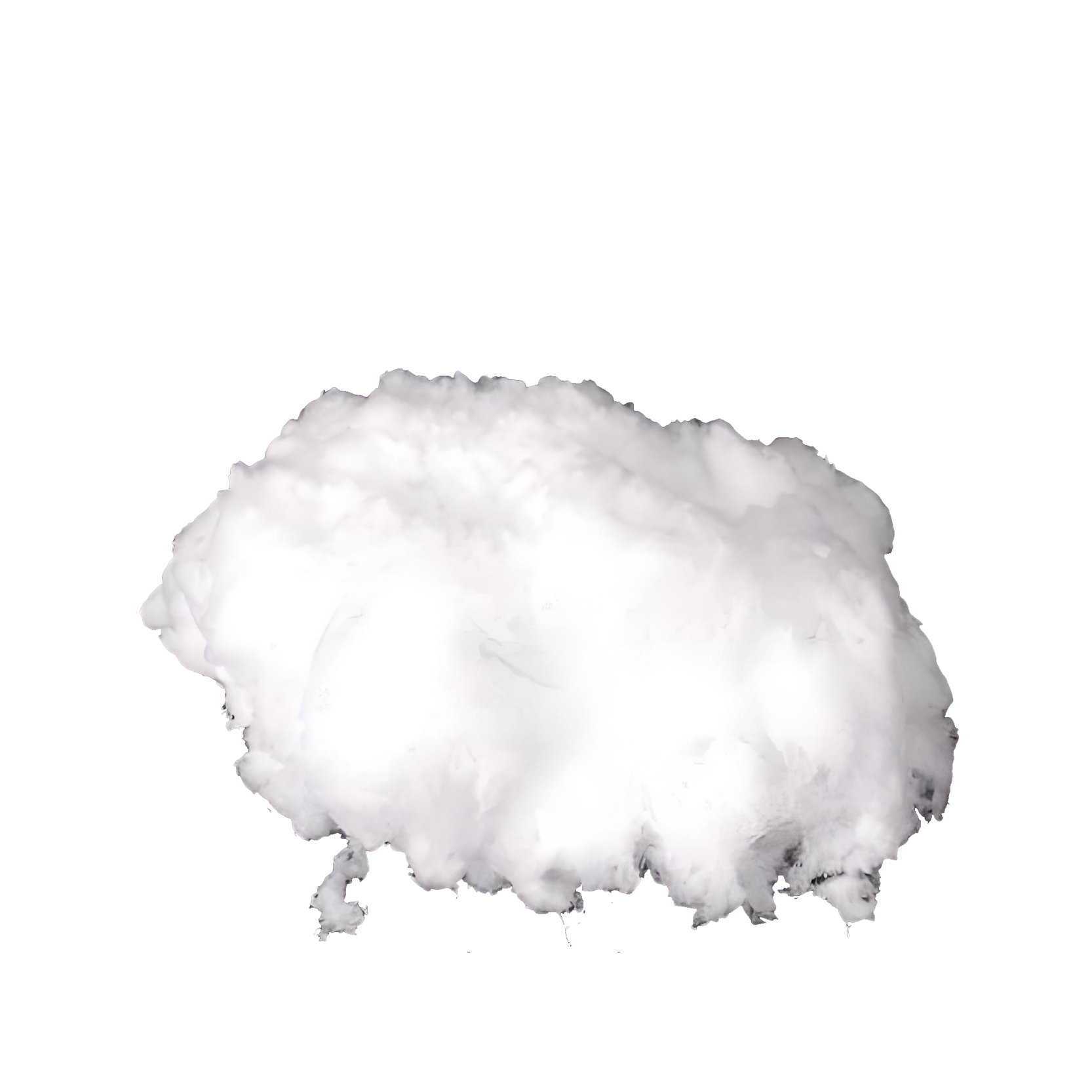
Aluminum silicate fiber standard cotton
Aluminum silicate fiber standard cotton ...
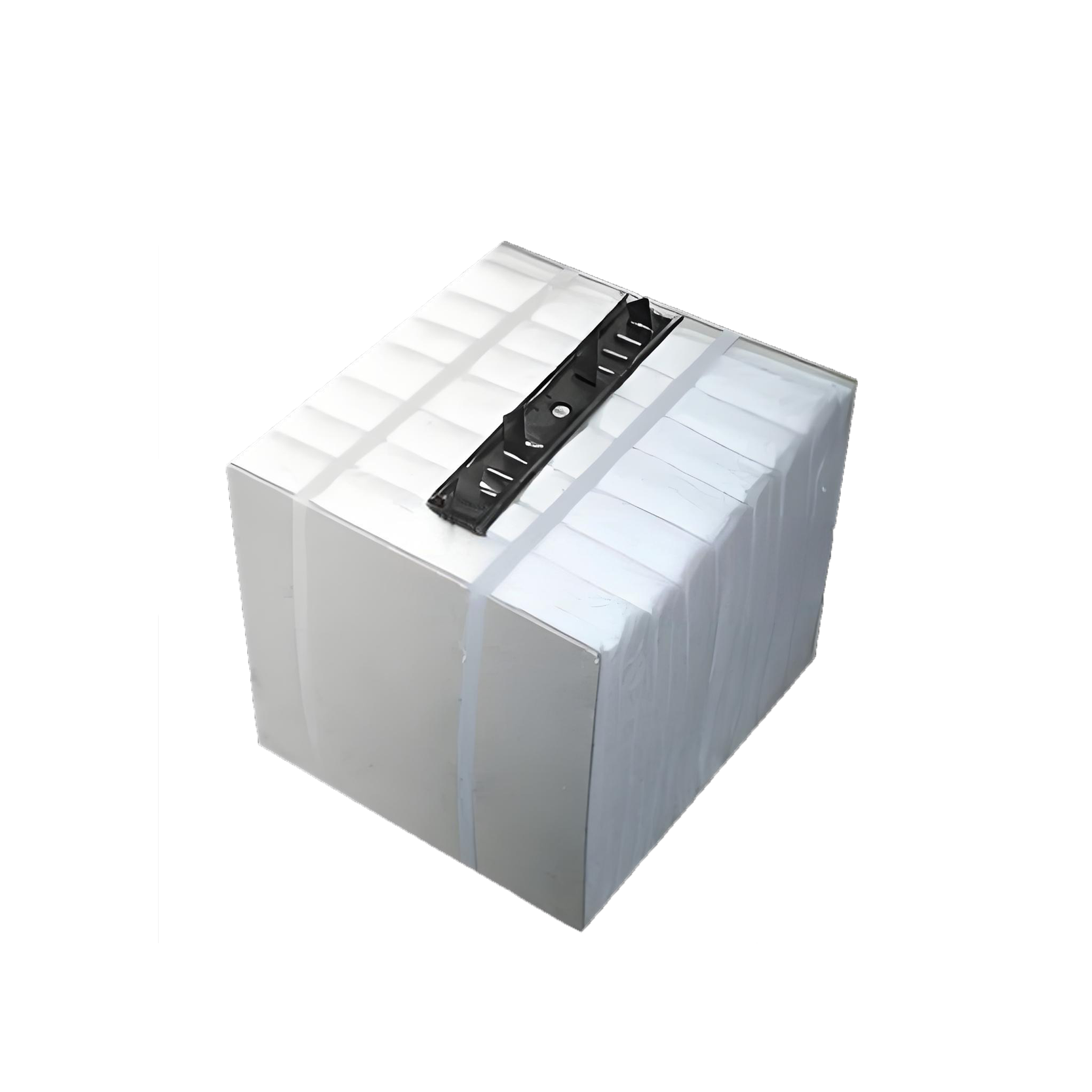
Aluminum silicate fiber standard module
It is a ceramic fiber needle punched bla...
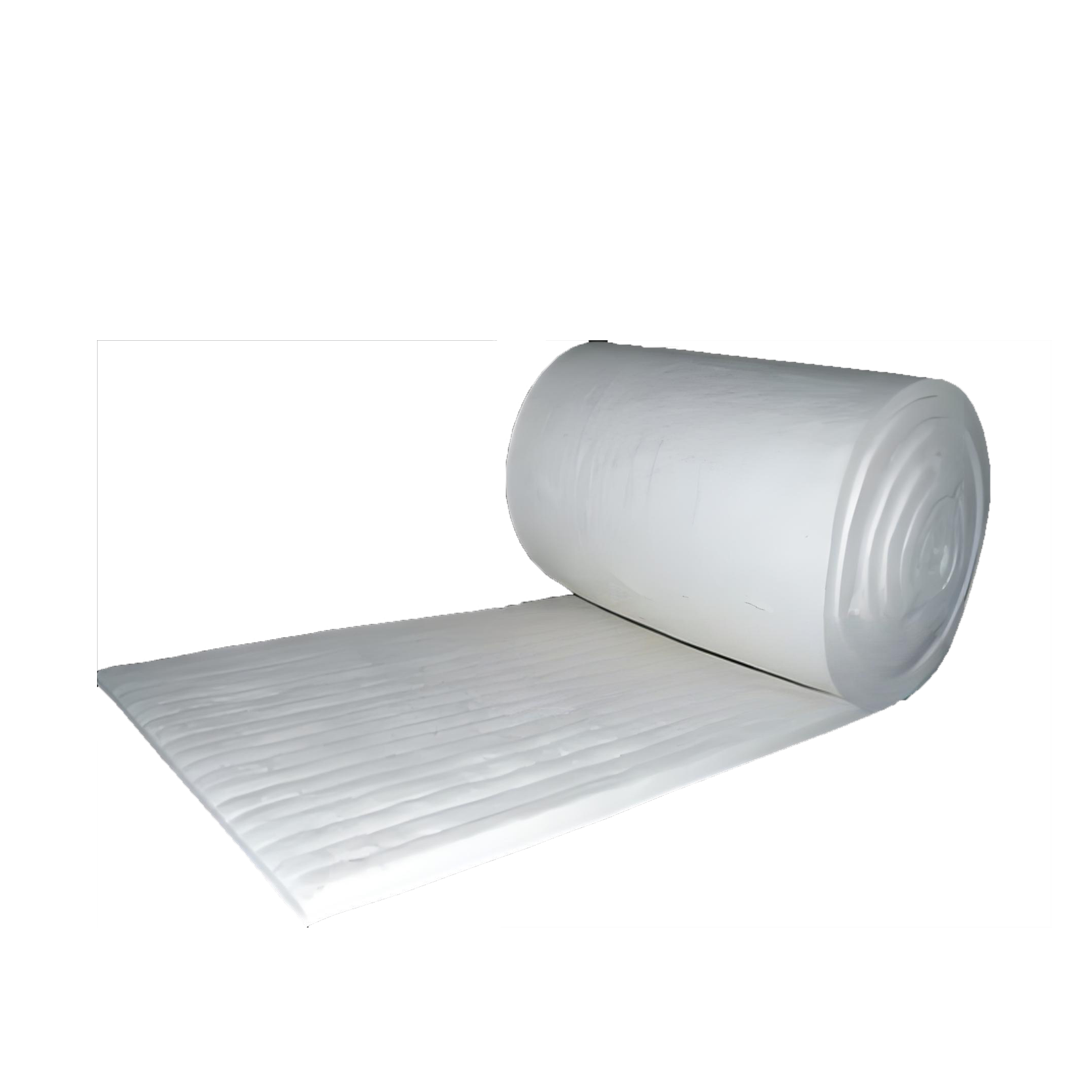
Aluminum silicate fiber standard blanket
It is a new type of refractory insulatio...
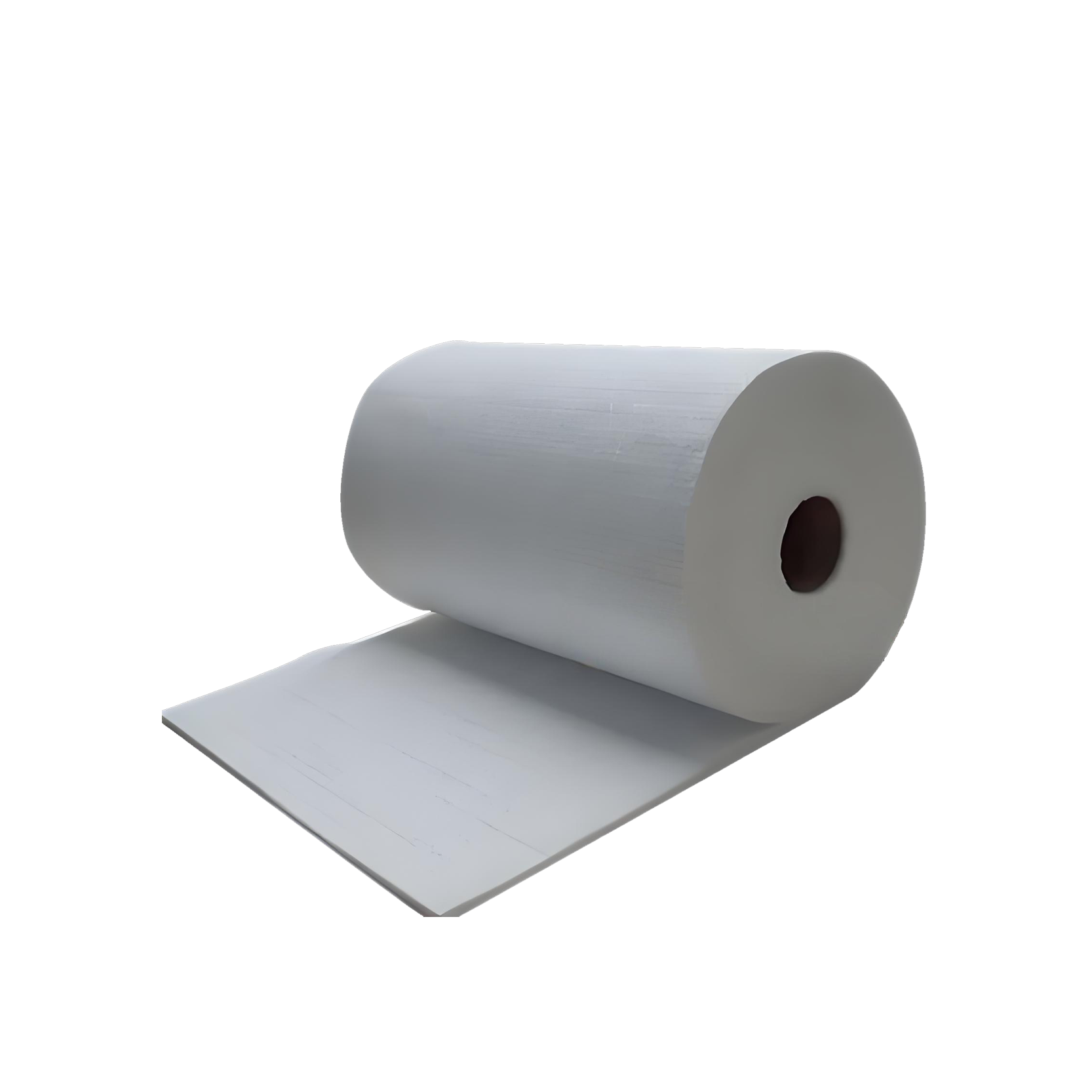
Aluminum silicate fiber fire shutter blanket
Aluminum silicate fiber fire shutter bla...
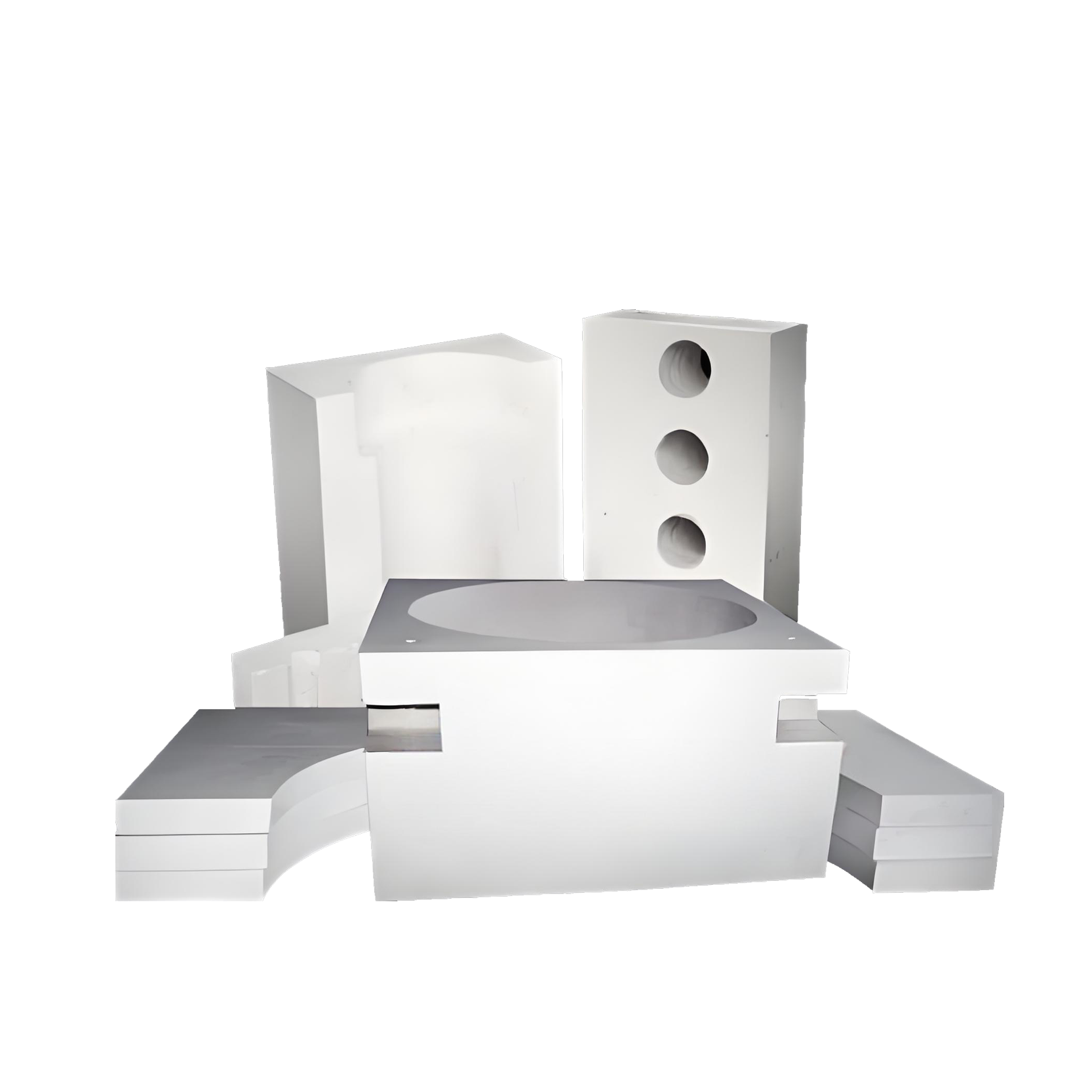
Aluminum silicate fiber shaped parts
Made using high-quality aluminum silicat...
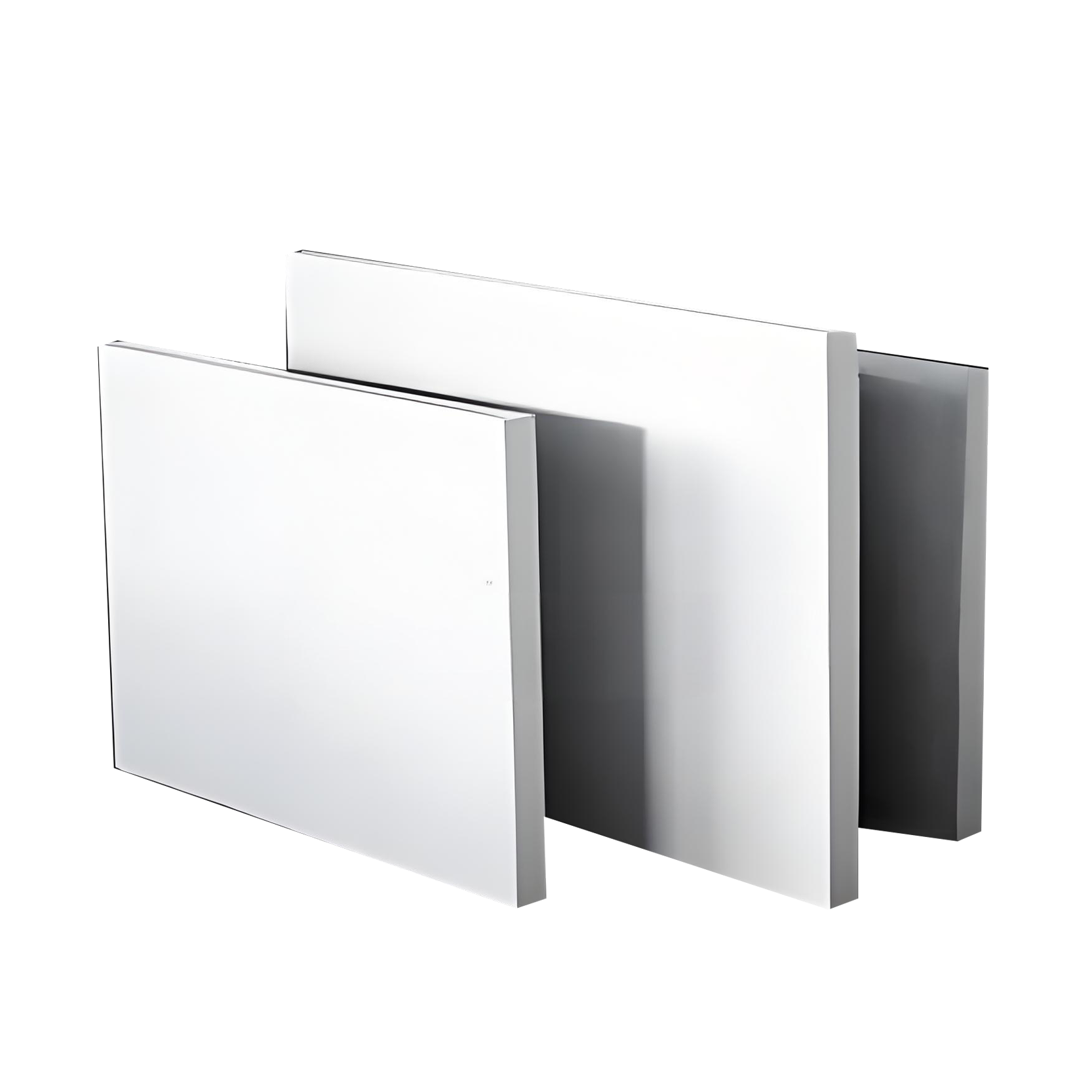
Aluminum silicate fiber mold board
Aluminum silicate fiber mold board is ma...
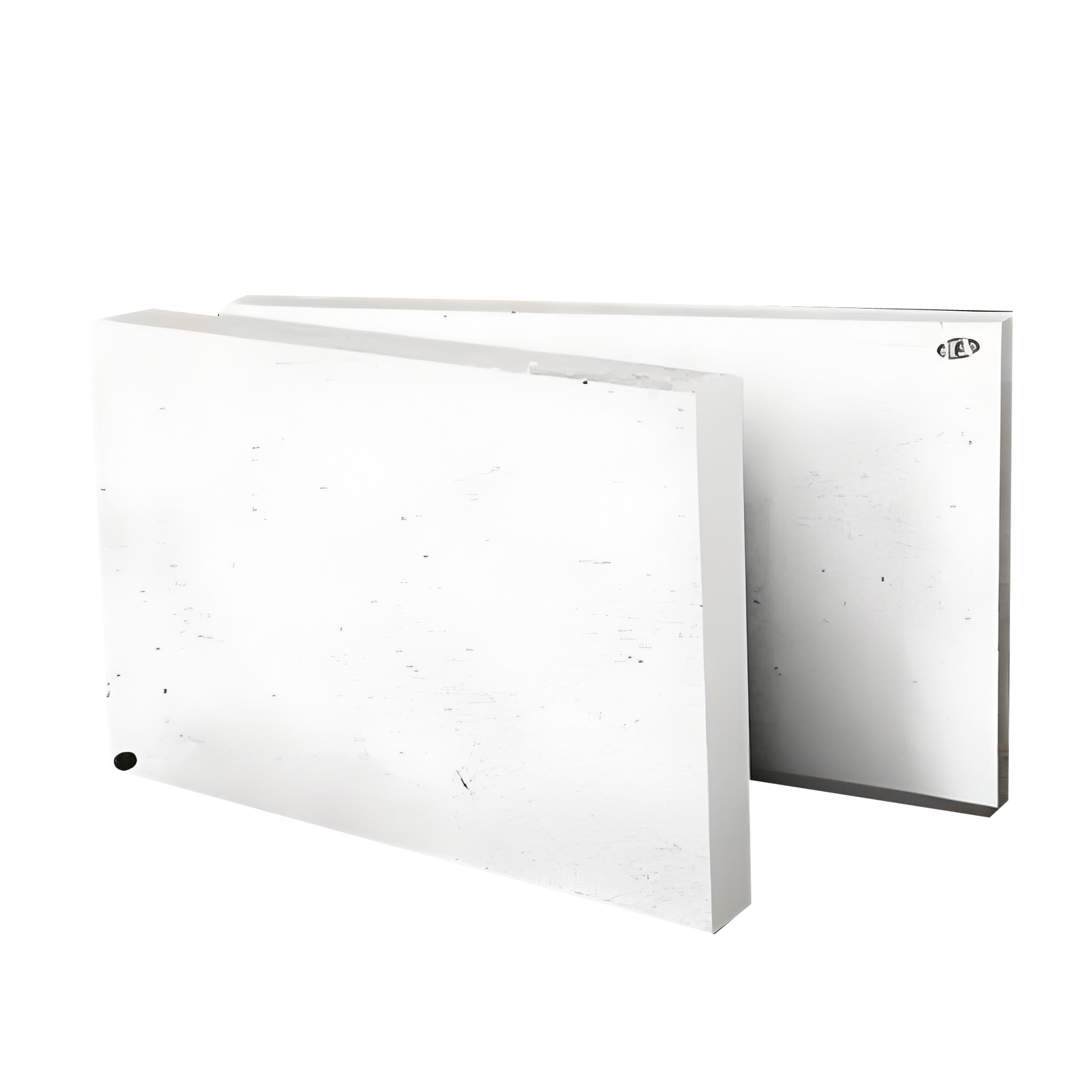
Aluminum silicate fiber furnace bottom plate
The bottom plate of the aluminum silicat...