简体中文
简体中文 English
 繁体中文
繁体中文 Deutsch
 Русский
- Application solution of aluminum silicate insulation material for thermal power plants
- Application scheme of rock wool insulation material in building exterior wall insulation system
- Thermal insulation and cooling solution for rubber sheets/pipes in cold storage refrigeration pipelines
- Polyurethane insulation pipe municipal hot water supply system scheme
- Application scheme of rock wool board in the field of transportation
Application solution of aluminum silicate insulation material for thermal power plants
Application solution of aluminum silicate insulation material for thermal power plants
1、 Background of the plan and characteristics of aluminum silicate materials
There are a large number of high-temperature equipment and pipelines in the thermal system of thermal power plants (boilers, turbines, high-temperature pipelines), and their heat dissipation losses directly affect the coal consumption for unit power supply. In the context of the "dual carbon" target, selecting high-performance insulation materials and scientifically constructing them is a key measure for energy conservation and consumption reduction in power plants.
Aluminum silicate insulation material (also known as aluminum silicate fiber felt/blanket) has long dominated the high-temperature insulation materials in power plants due to its excellent high temperature resistance and relatively economical cost. In recent years, with the advancement of material technology and upgrading of standards, the application technology of aluminum silicate materials has also been continuously optimized.
1.2 Performance parameters of aluminum silicate material
According to the requirements of DL/T 776-2019 "Thermal Power Plant Insulation Materials" standard and engineering practice, the main technical indicators of power plant grade aluminum silicate insulation materials are as follows:
Explanation of Performance Indicator Parameter Values
The highest operating temperature is 650 ℃ -800 ℃, and the high-purity type can reach over 1000 ℃
The bulk density is 96-128kg/m ³ according to the dry production standard, which is superior to the traditional wet method
The thermal conductivity of 0.035-0.045 W/(m · K) slightly increases with increasing temperature at room temperature
Aluminum oxide content ≥ 40% high-purity aluminum oxide content ≥ 72%
Heating permanent line change ≥ -4.0% high temperature stability index
Slag ball content<20% fiber purity index
2、 Application areas and selection strategies for power plants
2.1 Typical application areas
According to the engineering practice of multiple new construction and renovation projects, the main application areas of aluminum silicate insulation materials in thermal power plants include:
Recommended material form and temperature range for specific parts of the application area
Boiler body furnace wall, separator, burner area aluminum silicate fiber felt/needle punched felt 400-650 ℃
Steam turbine unit, steam turbine body, high temperature heater, aluminum silicate plate/felt 300-500 ℃
Thermal pipeline, main steam pipeline, reheat pipeline, water supply pipeline, aluminum silicate tube shell/fiber blanket 350-600 ℃
Smoke and air system hot air duct, flue aluminum silicate fiber felt 200-450 ℃
Auxiliary equipment deaerator, gas storage tank, bin pump aluminum silicate plate ≤ 400 ℃
2.2 Temperature zoning and layer selection
According to the temperature difference on the surface of the equipment, a differentiated insulation structure design is adopted:
(1) Medium temperature range (200-350 ℃) - Typical applications: water supply pipelines, deaerators
-Recommend using single-layer aluminum silicate fiber felt with a thickness of 80-100mm
-Optional solution: Aluminum silicate felt+plaster layer protection
(2) High temperature zone (350-600 ℃) - Typical applications: main steam pipeline, reheater connecting pipe
-Adopting a double-layer aluminum silicate composite structure with a total thickness of 120-150mm
-The outer layer can be made of high-temperature glass wool or composite silicate material
-Control interface temperature and optimize overall insulation performance
(3) Ultra high temperature zone (600-800 ℃) - typical application: boiler superheater outlet
-Select high-purity/zirconium containing aluminum silicate fiber blanket (Al ₂ O ∝ ≥ 72%)
-Multi layer staggered laying, with the addition of stainless steel anchoring components
3、 Construction technology and quality control
3.1 Standardized construction process
According to DL/T 5714-2024 "Technical Specification for Insulation and Anti corrosion Construction of Thermal Equipment and Pipelines in Thermal Power Plants" and engineering practice requirements, the standard construction process of aluminum silicate insulation material is as follows:
Grassroots treatment → support installation → insulation layer laying (staggered layer by layer) → wire mesh fixation
→ Smearing/outer protective layer construction → Quality acceptance
Key technical points of key processes:
(1) Grassroots treatment
-Remove oil stains and rust from the surface of the pipeline, and polish it to St3 standard
-Construction environment temperature ≥ 5 ℃, humidity ≤ 85%, rain shelter must be built on rainy days
(2) Insulation layer laying (core process)
-Layered staggered seam: The overlapping length of the first layer of fiber blanket is ≥ 50mm, and the second layer is sewn at the gap of the first layer
-Double layer abnormal seam: It is strictly prohibited to have continuous seams, and the seams of the upper and lower layers should be staggered by more than 100mm
-Tight fit: There should be no gaps between the fiber blanket and the surface of the pipeline, and high-temperature adhesive should be used to assist in bonding
(3) Fixing and anchoring
-Using 16-18 galvanized iron wire for bundling, each fiber blanket is tied with two layers
-Large diameter pipelines (≥ 600mm) require the addition of galvanized iron wire reinforcement rings with a spacing of 500mm
-Stainless steel insulation nails shall be welded at a spacing of 300mm × 300mm in stress concentration areas such as elbows and tees
(4) Installation of outer protective layer
-Outdoor pipelines and equipment are made of 0.5-0.7mm color steel plates or aluminum alloy plates
-Outdoor insulation must be well protected against rain, with the joint facing downwards and flowing smoothly
-The outer protective plate is processed using the "shrimp bending" process at the elbow position
4、 Typical faults and solutions
4.1 Overheating/excessive heat dissipation of insulation layer
Typical phenomenon: The surface temperature of the pipeline far exceeds the design value, and visible heat waves are visible to the naked eye
Common cause analysis:
-Thermal insulation cotton powdering and sintering due to long-term high temperature
-During construction, the joints were not staggered as required, resulting in the formation of a thermal bridge channel
-Single layer thickness exceeding the standard, internal shrinkage leading to hollowing
Solution:
-Remove the ineffective insulation layer and lay it again
-Strictly control the layer thickness (each layer ≤ 80mm)
-The high-temperature zone adopts a composite structure of "aluminum silicate+composite silicate"
4.2 Insulation layer detachment/cracking
Typical phenomenon: insulation layer slipping and falling off at vertical pipelines or vibrating equipment, or circular cracks appearing on the surface
Common cause analysis:
-Anchor spacing too large (>400mm) or poorly welded
-No expansion joints were set during construction, resulting in concentrated thermal expansion stress
-Corrosion and fracture of iron wire
Solution:
-Encrypt the anchor to a spacing of 200mm, using stainless steel material
-Add expansion joints every 6-8 meters of pipeline, with a width of 20-30mm
-Replacing galvanized iron wire with stainless steel wire in high-temperature areas
4.3 Rainy weather 'skin explosion' accidents
Typical phenomenon: When put into operation after long-term rainy weather or shutdown, the outer protective plate is lifted (commonly seen in outdoor pipelines)
Root cause:
-The outer protective plate is damaged or the joint is facing upwards, and rainwater seeps into the insulation layer
-After being put into operation, the water evaporates and expands, and the pressure pushes open the outer protective plate
Preventive measures:
-The interface of the outer protective board must face downwards and flow smoothly, and it is strictly prohibited to sew upwards
-During construction, if it rains, immediately cover it with rain proof cloth and prohibit working in the rain
-Repair the damaged outer protective plate to ensure sealing
5、 Development Trends and Comparison of Materials
5.1 Inter generational comparison of materials
The highest temperature resistance and thermal conductivity coefficient of insulation material (500 ℃), unit price applicable scenarios
Aluminum silicate fiber felt 650-800 ℃ 0.12-0.15 W/(m · K) is the main material for high temperature areas in low temperature power plants
Ceramic fiber blanket 1000-1400 ℃ 0.10-0.12 W/(m · K) medium ultra-high temperature/special parts
Aerogel felt 650 ℃ 0.04-0.06 W/(m · K) high energy efficiency renovation/confined space
Composite silicate ≤ 500 ℃ 0.08-0.10 W/(m · K) external insulation layer in low to medium temperature zone
5.2 Applicable boundaries of aluminum silicate materials
Advantage:
-High cost-effectiveness, it is a mature solution for insulation in high-temperature areas of power plants
-Temperature resistance can reach 650-800 ℃, meeting the needs of the vast majority of power plant pipelines
-Mature construction technology, easy maintenance and replacement
Limitations:
-The thermal conductivity is higher than that of aerogel, which requires composite use for extreme energy saving
-Long term overheating (>750 ℃) may cause powdering and shrinkage
-Wet production products have a high bulk density (150kg/m ³) and have been replaced by dry methods
6、 Procurement and Acceptance Suggestions
6.1 Technical Requirements (Refer to the 660MW Unit Project of Xieqiao Power Plant)
According to the bidding technical specifications for the 2 × 660MW ultra supercritical unit project of Huaihe Energy Xieqiao Power Plant, the procurement of aluminum silicate materials should specify the following requirements:
-Execution standard: DL/T 776-2019
-Dry production: bulk density 96-128kg/m ³, not using outdated wet process products
-Thermal conductivity: meets standard requirements, attached with third-party testing report
-Packaging and transportation: Moisture proof packaging. Unloading is prohibited on rainy days, and the bottom of the stack should be laid with track wood and moisture-proof cloth
6.2 Acceptance precautions
-Verify the consistency between the quality assurance certificate and the actual product (brand, batch number, testing report)
-Visual inspection upon arrival: The fibers are white, soft, free of clumps, and free of impurities
-Dry process products have a lighter bulk density than wet process products, which is a normal phenomenon and does not mean poor quality
-If necessary, samples should be taken and sent to a third-party for retesting of key indicators
7、 Summary
Aluminum silicate insulation material is a mature and economical solution for insulation in high-temperature areas of thermal power plants. To achieve ideal results in new construction or renovation projects, the following key points should be grasped:
1. Material selection: Select dry process products that comply with DL/T 776-2019 standards, with a bulk density of 96-128kg/m ³
2. Reasonable structure: The high-temperature zone adopts a composite structure of "aluminum silicate+composite silicate" to control the interface temperature
3. Fine construction: Strictly implement layered staggered joints, moisture-proof and waterproof measures, which are the "winning and losing hands" of insulation effect
4. Strict acceptance: Hot state acceptance surface temperature ≤ 50 ℃ (ambient temperature 25 ℃), rework for non compliant products
Through the dual wheel drive of scientific material selection and precise construction, aluminum silicate insulation materials can fully assist thermal power plants in achieving multidimensional goals of intrinsic safety, energy conservation and consumption reduction, and economic practicality.
related products
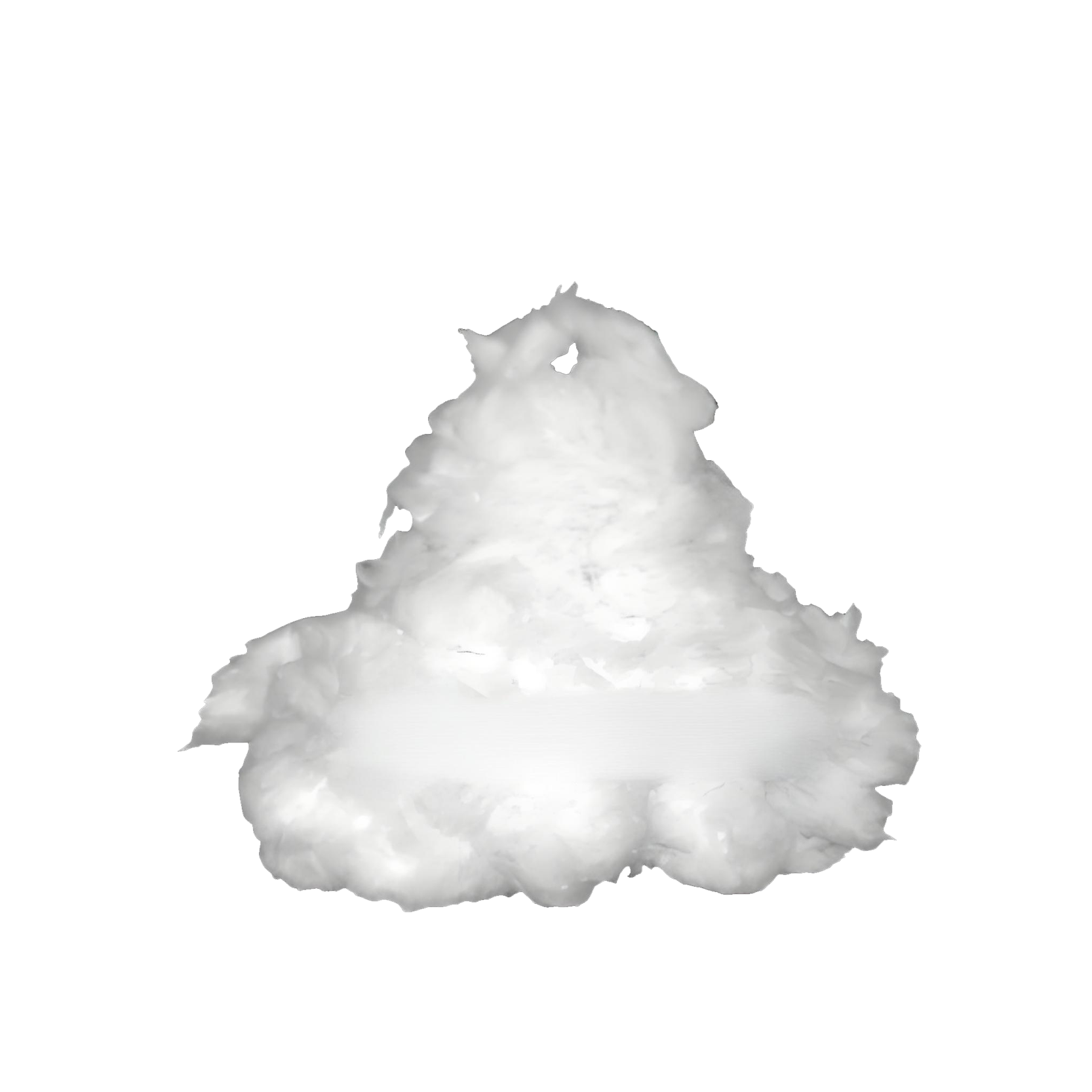
Aluminum silicate fiber textile cotton
Aluminum silicate fiber textile cotton i...
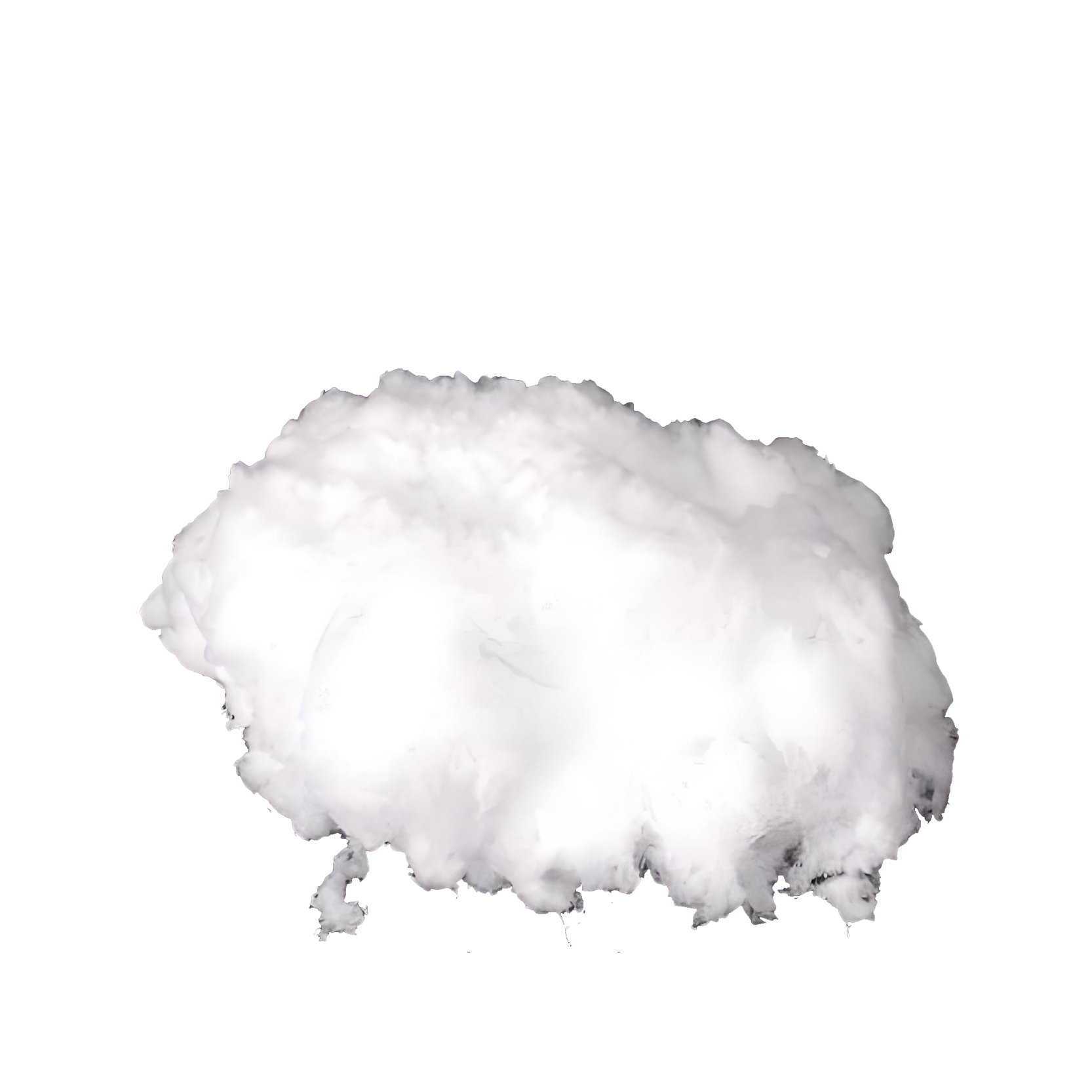
Aluminum silicate fiber standard cotton
Aluminum silicate fiber standard cotton ...
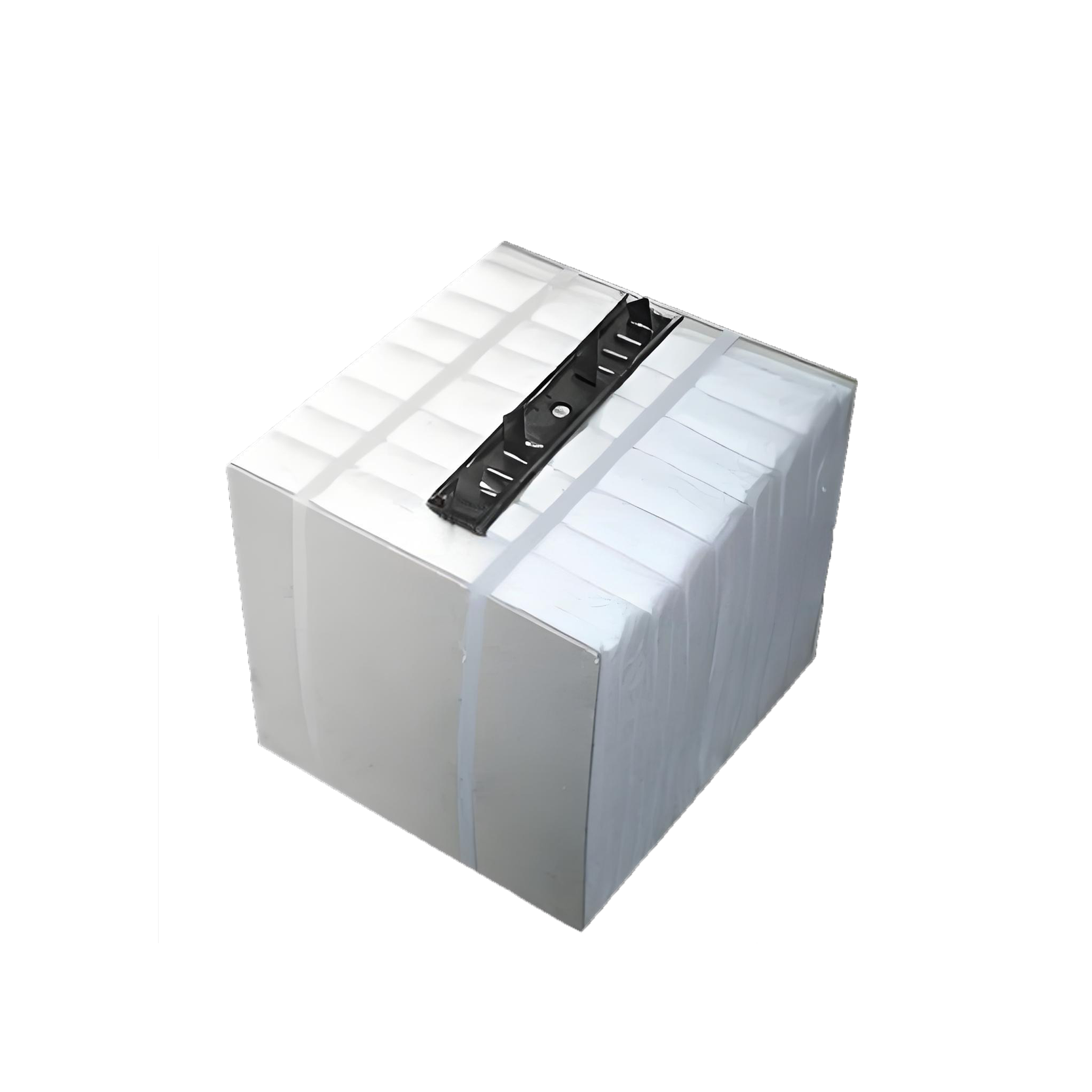
Aluminum silicate fiber standard module
It is a ceramic fiber needle punched bla...
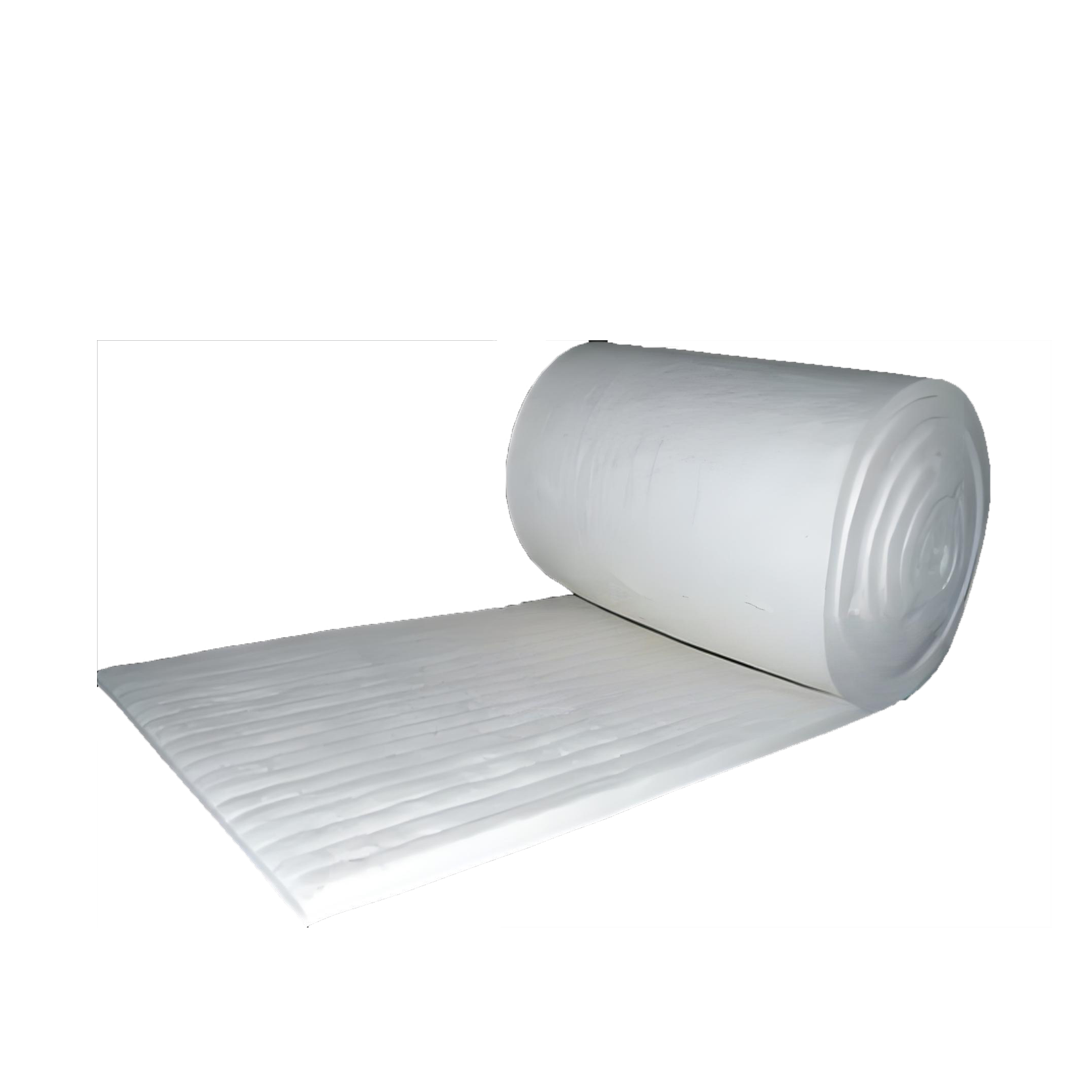
Aluminum silicate fiber standard blanket
It is a new type of refractory insulatio...
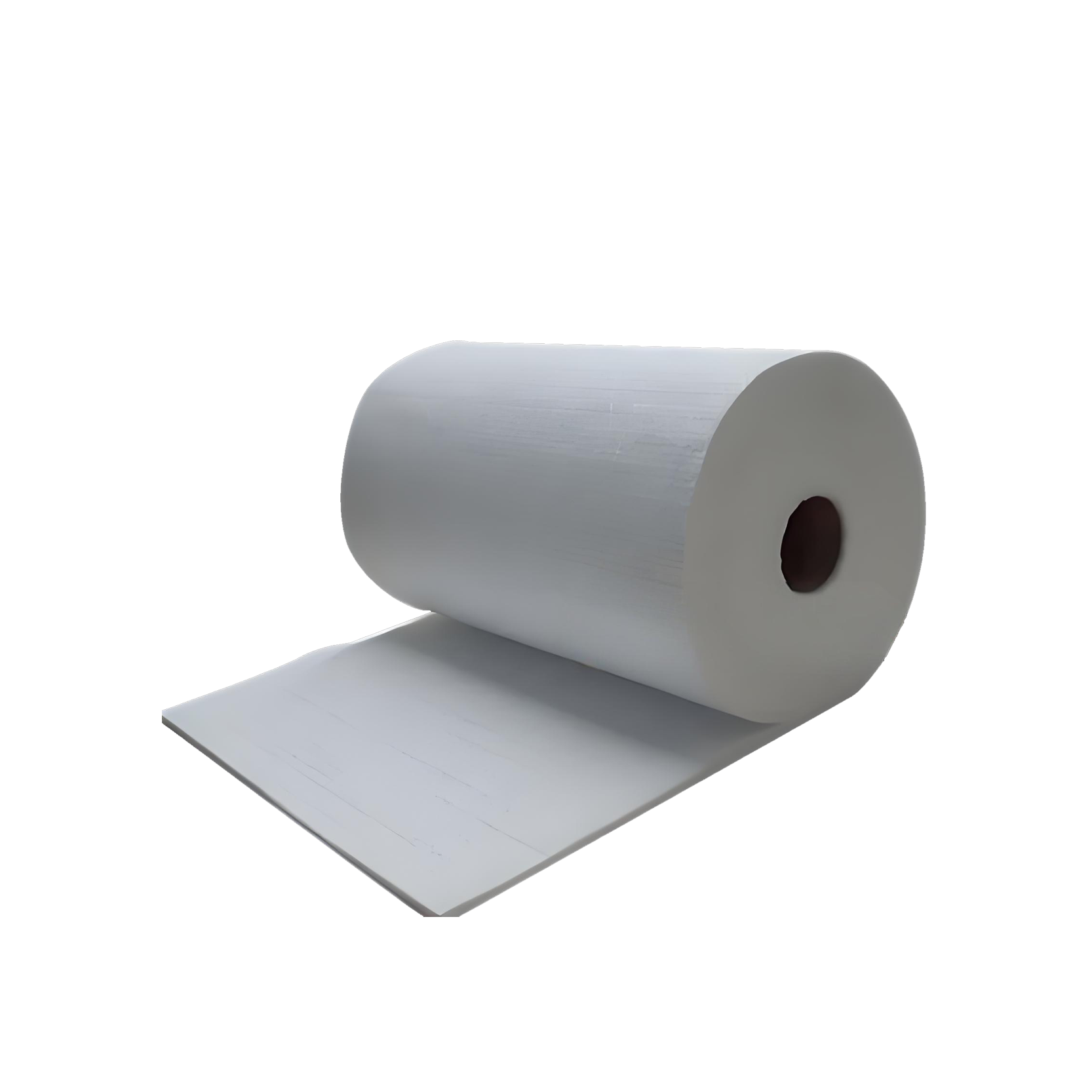
Aluminum silicate fiber fire shutter blanket
Aluminum silicate fiber fire shutter bla...
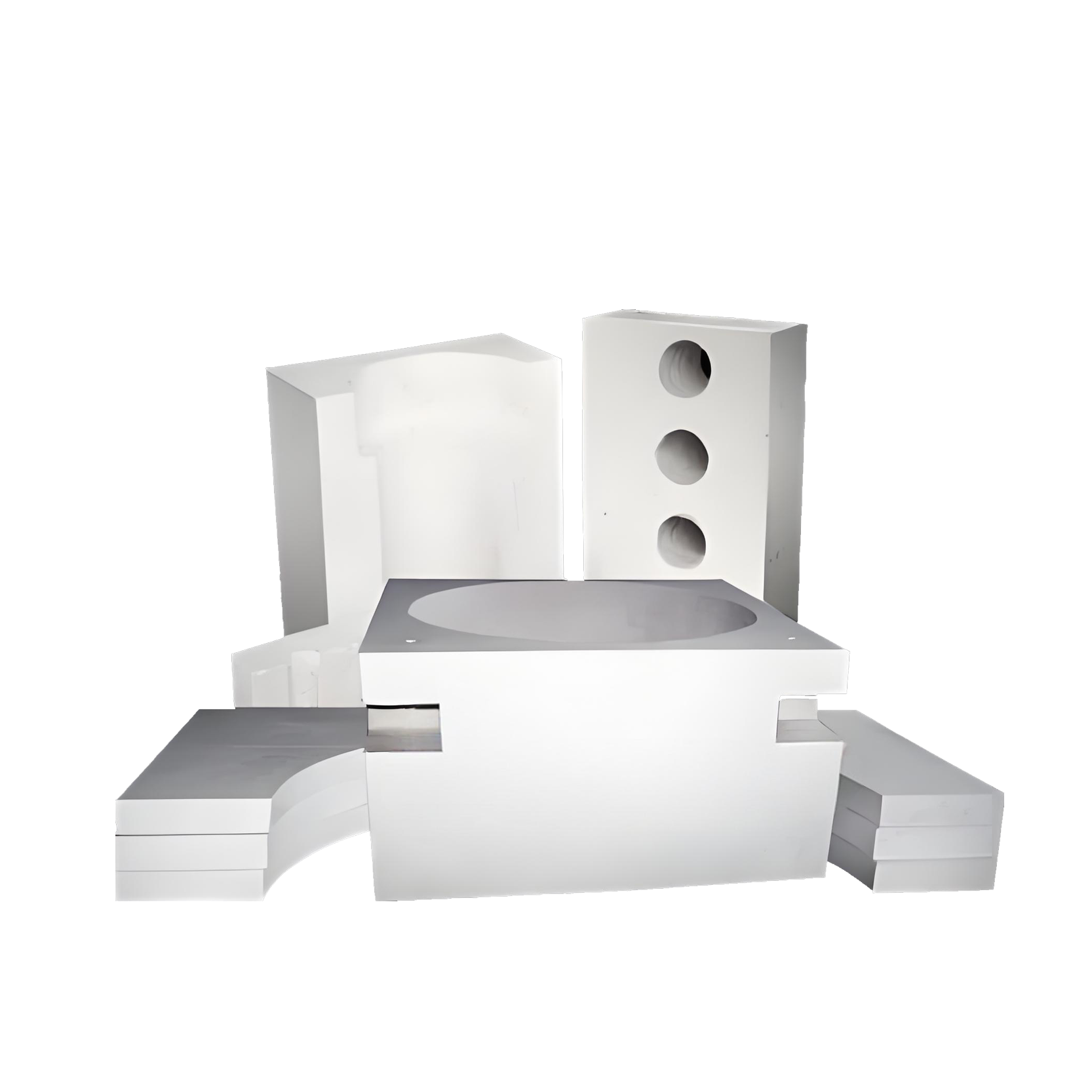
Aluminum silicate fiber shaped parts
Made using high-quality aluminum silicat...
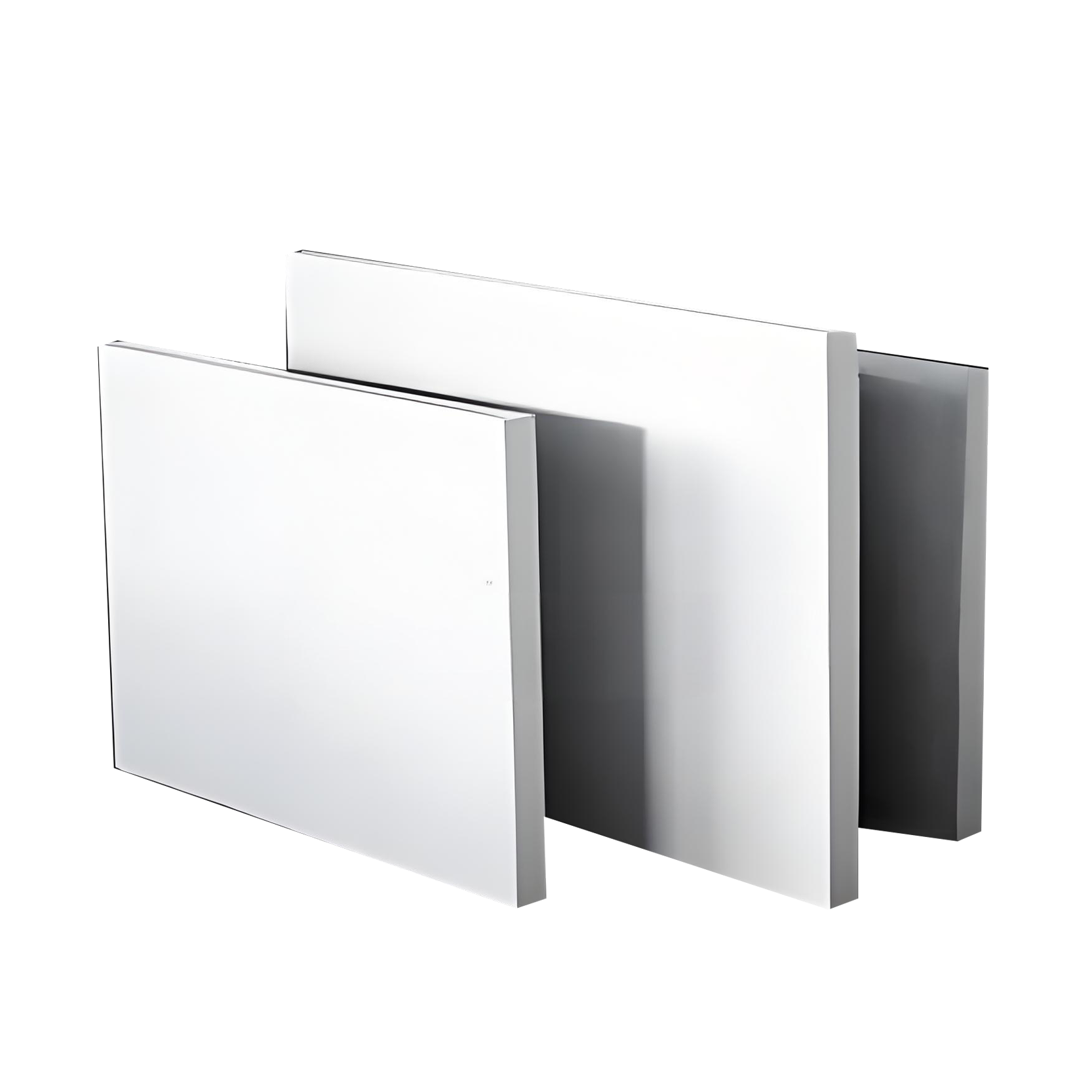
Aluminum silicate fiber mold board
Aluminum silicate fiber mold board is ma...
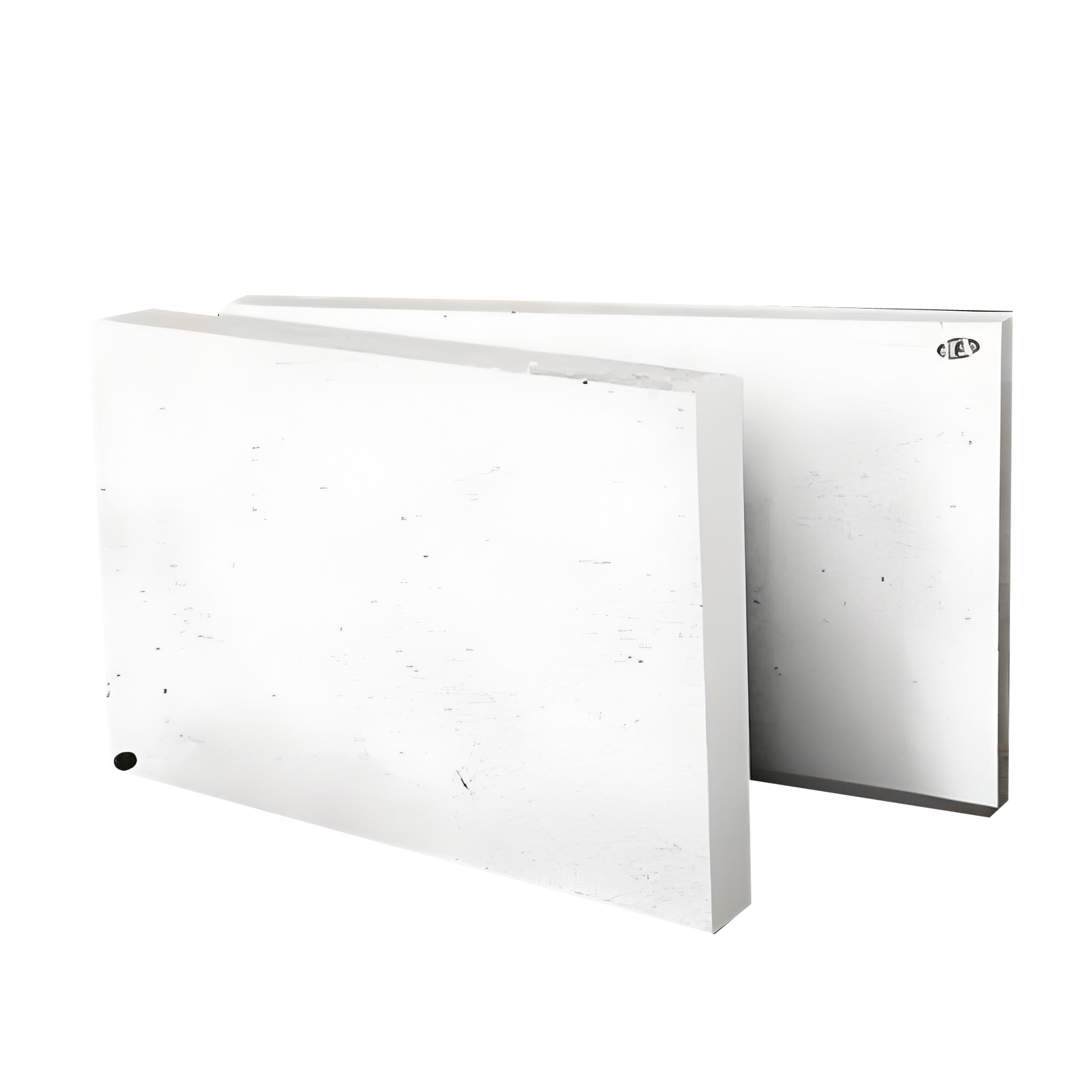
Aluminum silicate fiber furnace bottom plate
The bottom plate of the aluminum silicat...