简体中文
简体中文 English
 繁体中文
繁体中文 Deutsch
 Русский
- Application solution of aluminum silicate insulation material for thermal power plants
- Application scheme of rock wool insulation material in building exterior wall insulation system
- Thermal insulation and cooling solution for rubber sheets/pipes in cold storage refrigeration pipelines
- Polyurethane insulation pipe municipal hot water supply system scheme
- Application scheme of rock wool board in the field of transportation
Thermal insulation and cooling solution for rubber sheets/pipes in cold storage refrigeration pipelines
Thermal insulation and cooling solution for rubber sheets/pipes in cold storage refrigeration pipelines
1、 Background and pain point analysis of the plan
Cold storage refrigeration pipelines (including suction pipes, liquid supply pipes, return pipes, and parallel unit pipelines) are exposed to a low temperature environment of -40 ℃ to -10 ℃ for a long time. Traditional insulation materials such as glass wool and polyurethane are prone to the following problems at low temperatures:
Pain point consequences
Material brittleness and shrinkage cracking form a cold bridge, resulting in cold capacity leakage and increased energy consumption of the compressor
Water vapor infiltration causes ice crystals to damage the insulation layer structure, resulting in insulation failure
Surface condensation and dripping water cause corrosion of the warehouse roof/wall, ice on the floor, and safety hazards
Corrosion on the outer wall of the pipeline shortens its lifespan and increases maintenance costs
Complex construction (requiring a vapor barrier), long construction period, and high labor costs
Rubber sheet/tube, with its closed cell elastic structure, low temperature stability, and integrated moisture-proof ability, is an ideal solution to solve the above problems.
2、 Performance advantages of rubber and plastic materials (for cold storage scenarios)
The significance of indicator parameters for cold storage
Applicable temperature range -40 ℃ to+105 ℃
Fully cover the low-temperature working conditions of the cold storage, with no risk of brittle fracture
Thermal conductivity ≤ 0.034 W/(m · K) (maintains excellent insulation effect at low temperatures at 0 ℃, reducing cold loss)
Moisture resistance factor μ ≥ 8000 does not require an additional vapor barrier, and a single layer can resist water vapor penetration
Water absorption rate ≤ 0.2%, no water absorption, to prevent ice crystal damage to the structure
A closed cell rate of ≥ 90% forms independent closed bubbles, blocking the path of water vapor
Fire protection level B1 (difficult to ignite)/B2 (flammable) meets the fire protection regulations for cold storage (it is recommended to choose B1 level)
Flexible pipes can be bent, and sheets can be cut and fitted to irregular parts such as elbows, tees, valves, etc
> ✅ Core advantages: anti freezing, no vapor barrier, closed cell moisture-proof, efficient construction, significantly reducing the energy consumption of the entire life cycle of the cold storage.
3、 Classification insulation scheme for refrigeration pipelines in cold storage
Based on the location of the pipeline, temperature, and environmental humidity, it is recommended to use differentiated thickness and construction techniques.
3.1 Classification and insulation level of pipelines
Typical temperature of pipeline type, recommended rubber thickness, construction method, remarks
Low pressure suction pipe (in front of the machine head) -40 ℃~-25 ℃ 35-50mm (double-layer staggered) double-layer+fully sealed freezer/freezer core pipe section
Medium pressure return pipe -25 ℃~-10 ℃ 25~35mm single-layer or double-layer refrigerated warehouse, cooling warehouse
Supply pipe (before expansion valve)+10 ℃~+30 ℃ 13-19mm single-layer to prevent condensation
Hot air pipe (defrosting pipe)+40 ℃~+80 ℃ 19-25mm single-layer (high temperature resistant type), pay attention to the upper limit of material temperature resistance
Parallel unit main pipe -35 ℃~-15 ℃ 40~50mm double-layer staggered large pipe diameter, concentrated cooling capacity
3.2 Empirical formula for thickness selection (for cold storage)
>For the temperature difference Δ T=storage temperature - environmental dew point temperature:
>- Δ T ≤ 30 ℃: Rubber thickness ≥ 25mm
>- Δ T=30 ℃~45 ℃: thickness ≥ 35mm
>- Δ T ≥ 45 ℃: Thickness ≥ 50mm (must be double-layer)
Example: Warehouse temperature -25 ℃, ambient temperature 30 ℃, relative humidity 80% (dew point about 26 ℃), Δ T=51 ℃ → Recommended thickness 50mm double-layer. *
4、 Construction Technology and Quality Control (Key Points for Cold Storage)
4.1 Material selection
-Pipe material: Match the inner diameter of the corresponding diameter with a rubber pipe (recommended pre shrink size+2-3mm, as the material may shrink slightly at low temperatures)
-Plate: Used for irregular parts such as valves, flanges, tanks, elbows, etc
-Auxiliary materials:
-Low temperature adhesive for rubber and plastic (maintains viscosity at -30 ℃)
-Waterproof sealing tape (aluminum foil backing adhesive or pressure-sensitive type)
-Stainless steel cable ties or low-temperature resistant nylon cable ties
4.2 Construction steps (taking double-layer installation as an example)
Step 1: Pipeline pretreatment
-Remove oil stains, rust, and dust from the surface of the pipeline
-Ensure that the pipeline is dry (can be dried with a hot air gun)
Step 2: Apply glue and install the first layer
-Apply low-temperature glue evenly on the outer wall of the pipeline and the inner wall of the rubber pipe
-Wait for the glue to dry (about 3-5 minutes), then insert the rubber tube and press it tightly
-Apply glue to the longitudinal seams and press them together to ensure there are no gaps
Step 3: Second layer installation (staggered seam requirements)
-The second layer of pipe material is staggered 180 degrees from the longitudinal seam of the first layer
-The circumferential seams of the two layers should also be staggered (not less than 300mm)
-The second layer should also be glued and pasted, with no gaps left between layers
Step 4: Processing of irregular parts (valves, flanges, elbows)
-Cut and assemble rubber sheets on site
-The elbow can be spliced in blocks using the "shrimp waist" style
-All joints shall be sealed with adhesive and covered with tape for reinforcement
Step 5: Seam sealing (the most critical step)
-Apply another layer of adhesive to the outer surface of all longitudinal, circumferential, and irregular joints
-Immediately apply waterproof sealing tape with a width of ≥ 50mm
-Tape overlap ≥ 30mm, compacted without bubbles
Step 6: External protection (optional)
-Frequent maintenance location: Prefabricated detachable rubber insulation shell (made of sheet metal)
-Outdoor or high humidity areas: wrapped with aluminum foil or galvanized iron sheet protective shell
5、 Material selection recommendation (by pipe diameter and thickness)
Pipeline specifications (mm) recommended for storage temperature of -25 ℃, inner diameter of pipe material multiplied by thickness, recommended solution for storage temperature of -35 ℃
DN20 (Φ 25) inner diameter 25mm × thickness 30mm double-layer 20mm+20mm
DN40 (Φ 48) inner diameter 48mm x thickness 35mm double-layer 25mm+25mm
DN50 (Φ 60) inner diameter 60mm x thickness 40mm double-layer 30mm+25mm
DN80 (Φ 89) inner diameter 89mm × thickness 40mm double-layer 30mm+30mm
DN100 (Φ 114) inner diameter 114mm × thickness 45mm double-layer 35mm+35mm
Bend/tee
Cut with 40mm rubber sheet on site
6、 Summary of the plan
Dimension scheme conclusion
Material selection: Low temperature closed cell rubber (resistant to -40 ℃, B1 grade)
The thickness requirement is selected according to Δ T, and the low-temperature warehouse requires a double-layer thickness of 35-50mm
Construction core double-layer staggered joint+full joint special adhesive+tape sealing
Protection requirements do not require a vapor barrier, and aluminum foil protective shells should be added outdoors or in areas with high humidity
Expected effect: Eliminate condensation, frost heave, reduce cold loss by 30% to 40%, and extend pipeline life by more than 10 years
related products
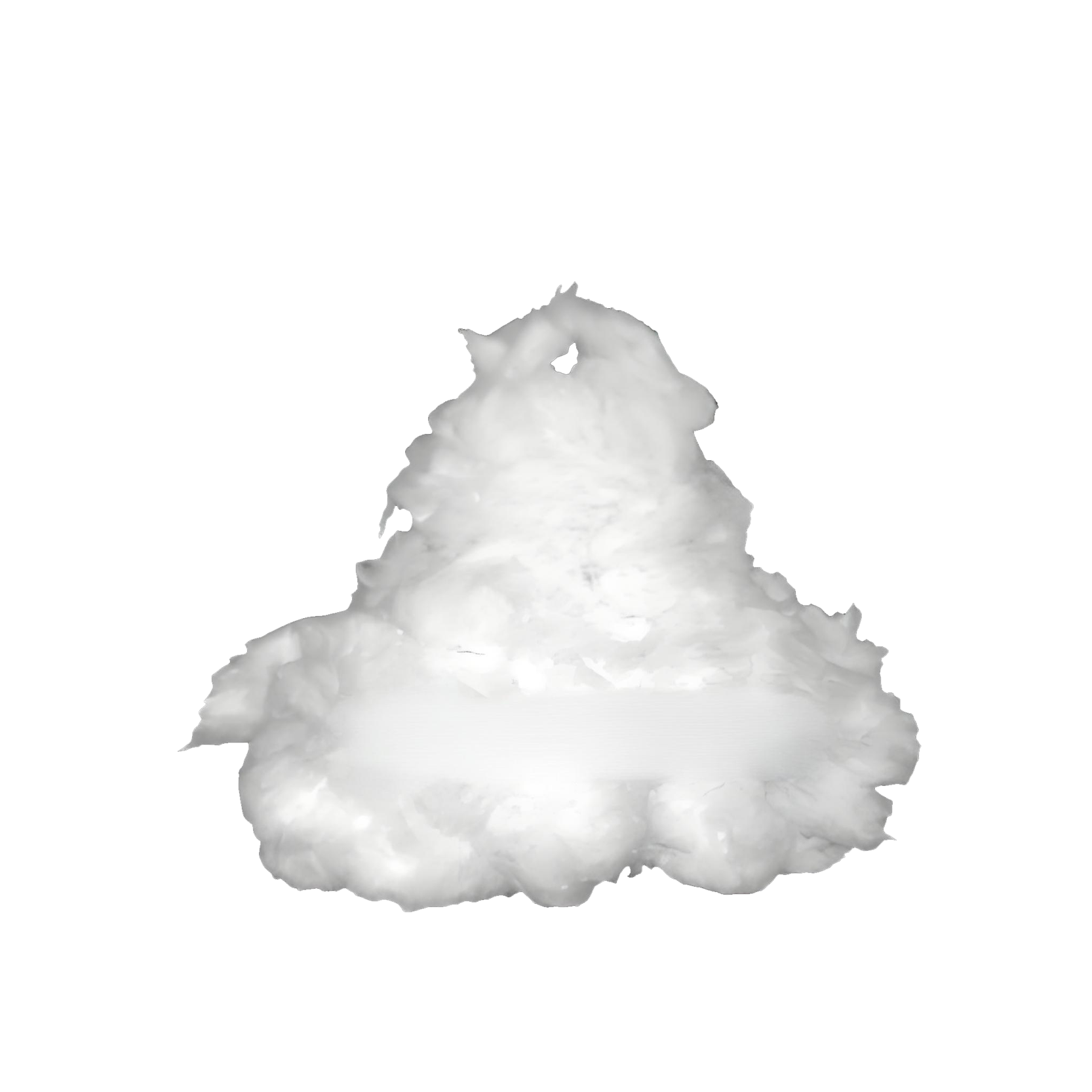
Aluminum silicate fiber textile cotton
Aluminum silicate fiber textile cotton i...
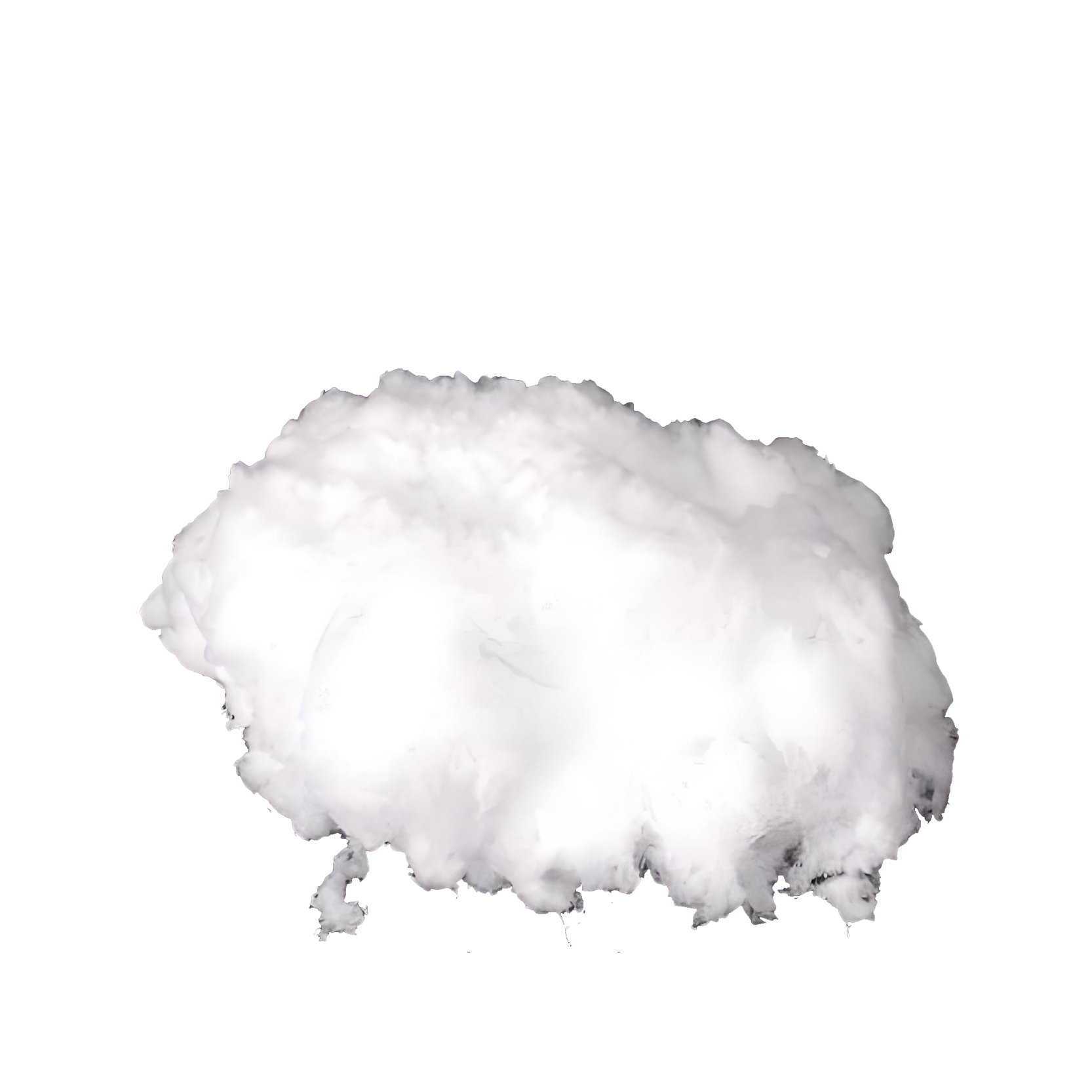
Aluminum silicate fiber standard cotton
Aluminum silicate fiber standard cotton ...
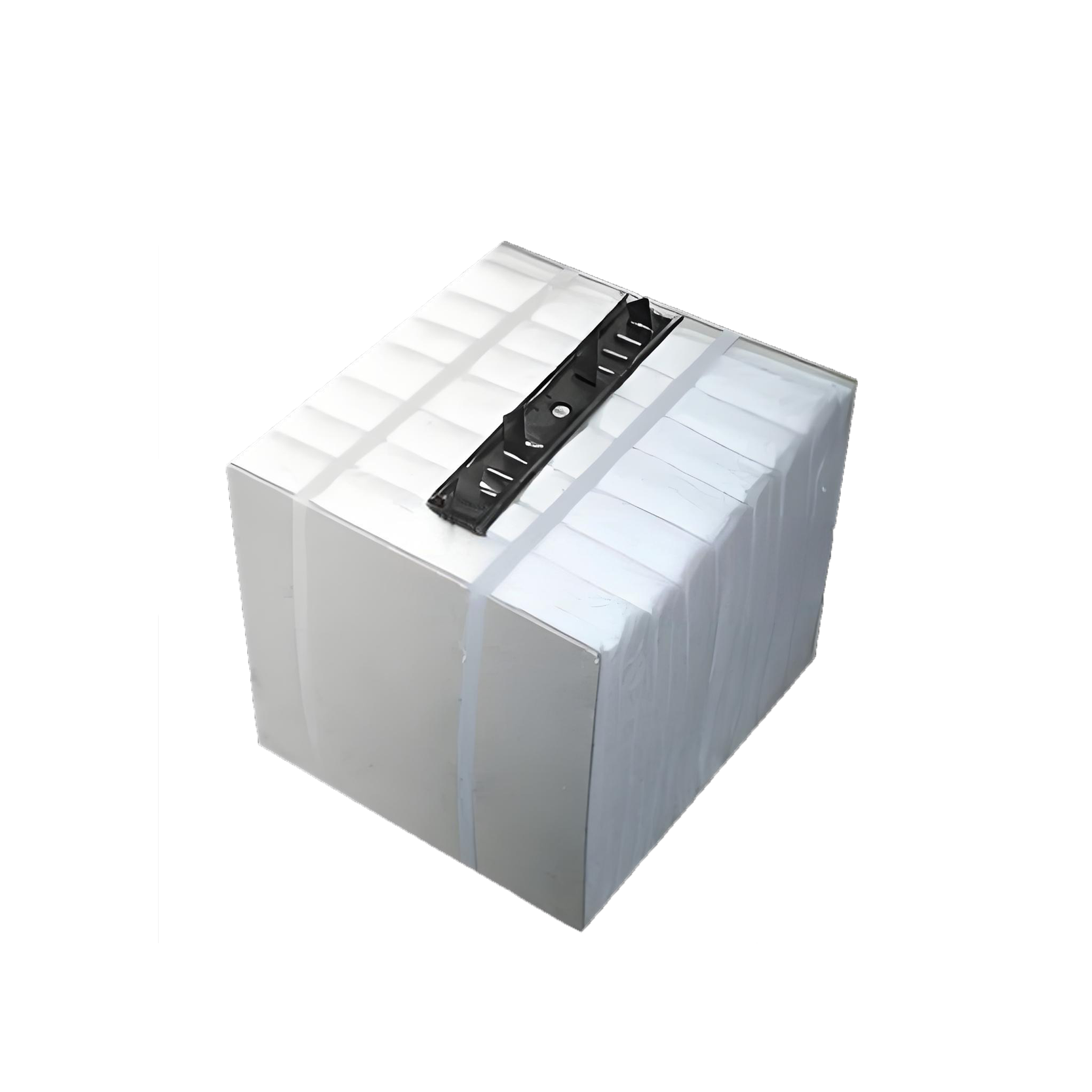
Aluminum silicate fiber standard module
It is a ceramic fiber needle punched bla...
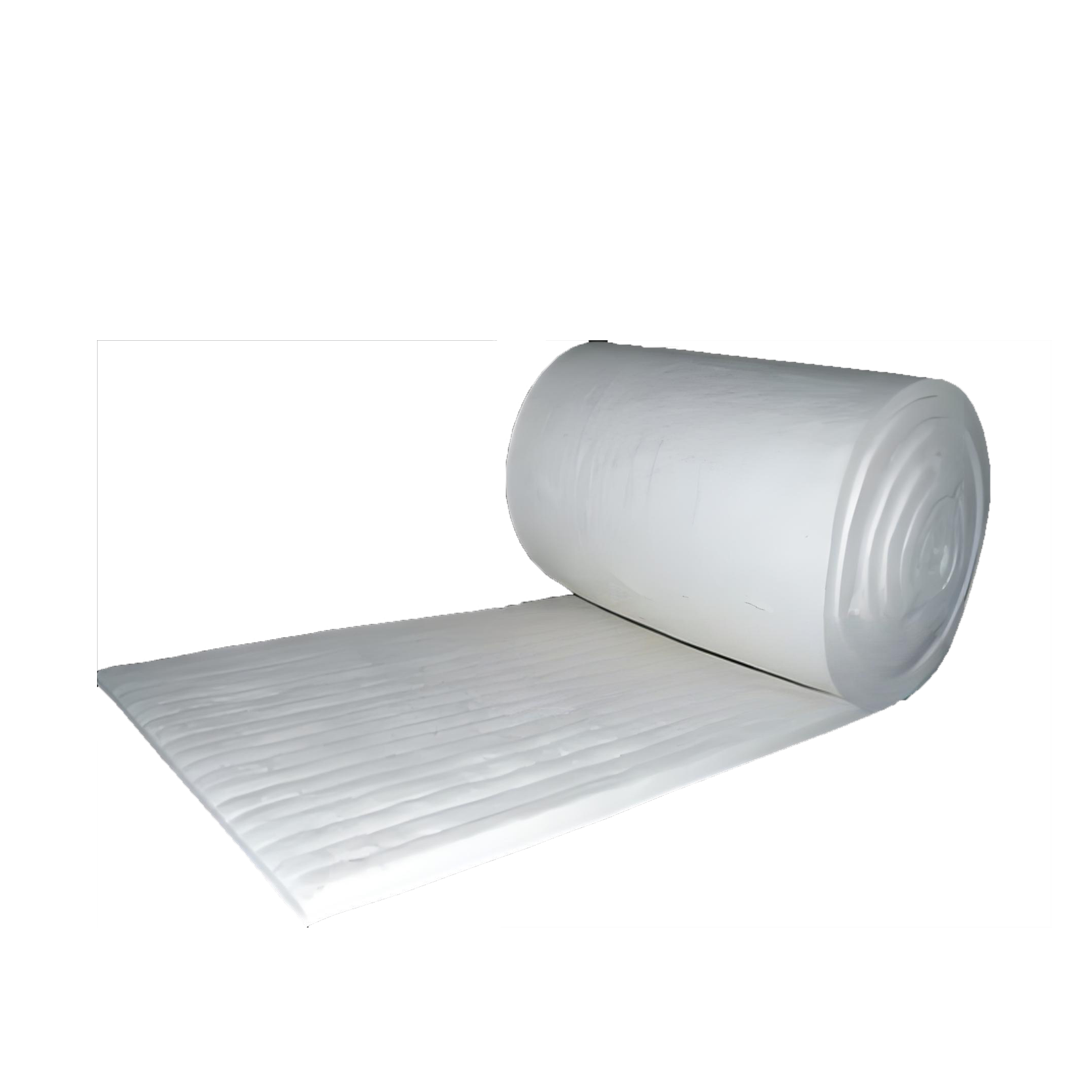
Aluminum silicate fiber standard blanket
It is a new type of refractory insulatio...
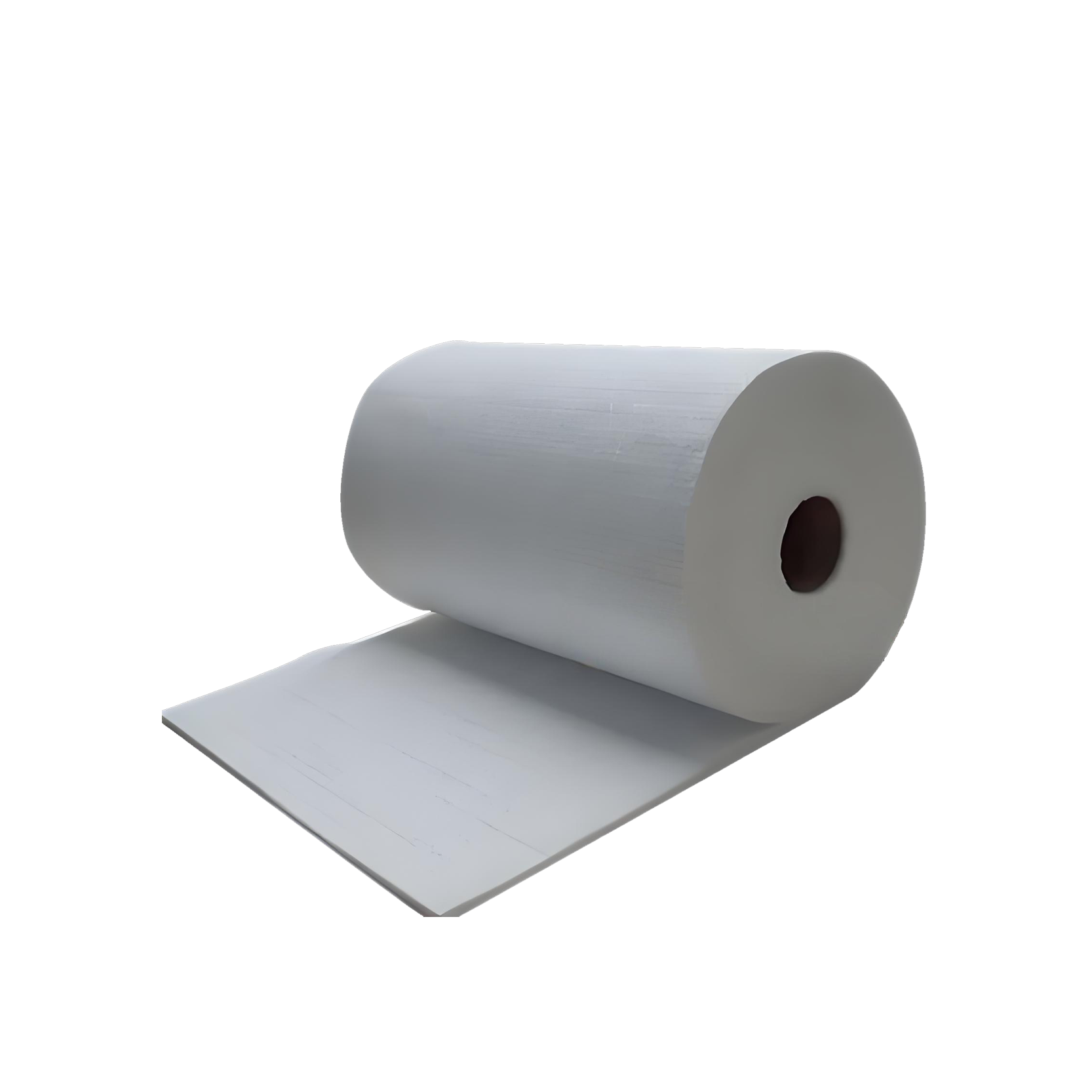
Aluminum silicate fiber fire shutter blanket
Aluminum silicate fiber fire shutter bla...
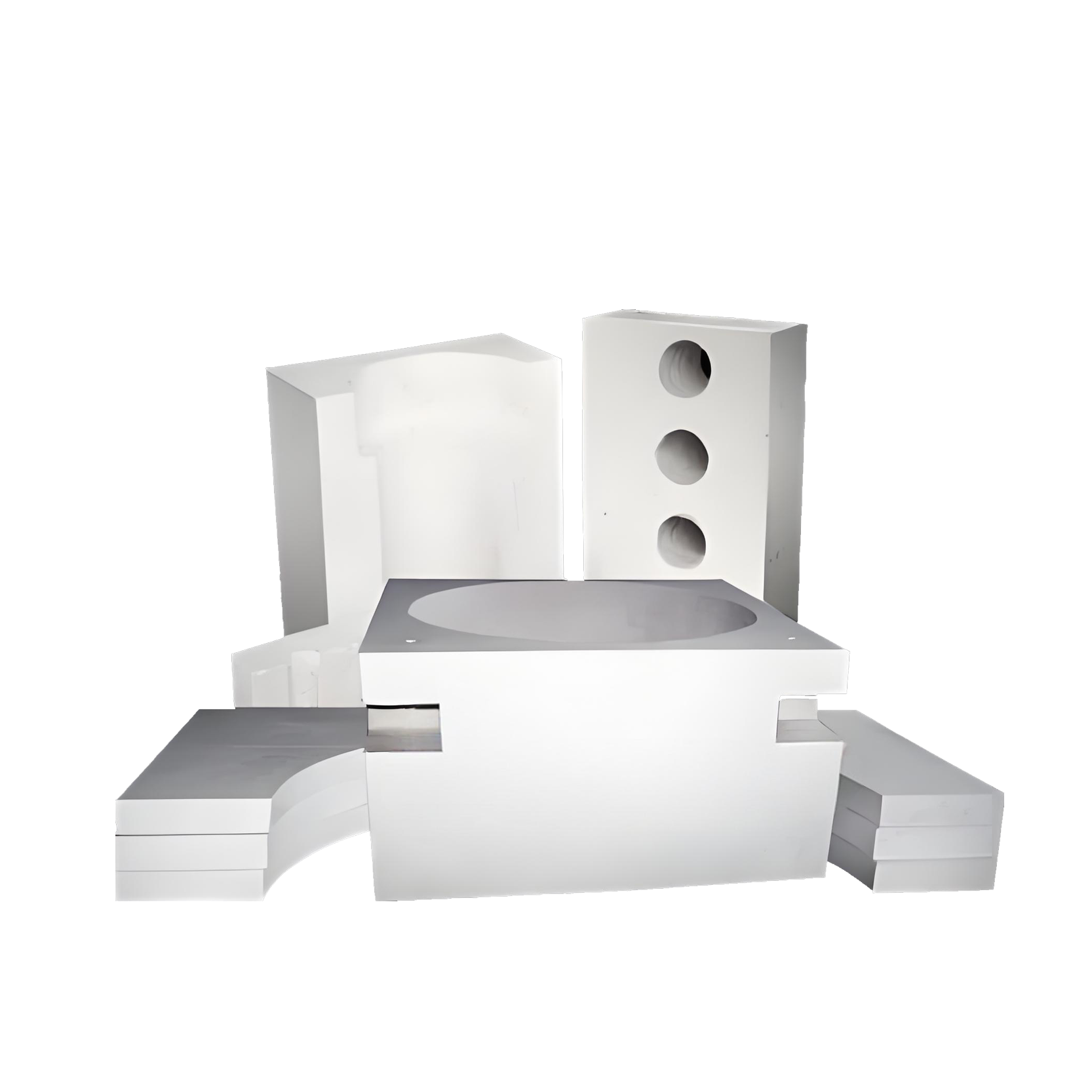
Aluminum silicate fiber shaped parts
Made using high-quality aluminum silicat...
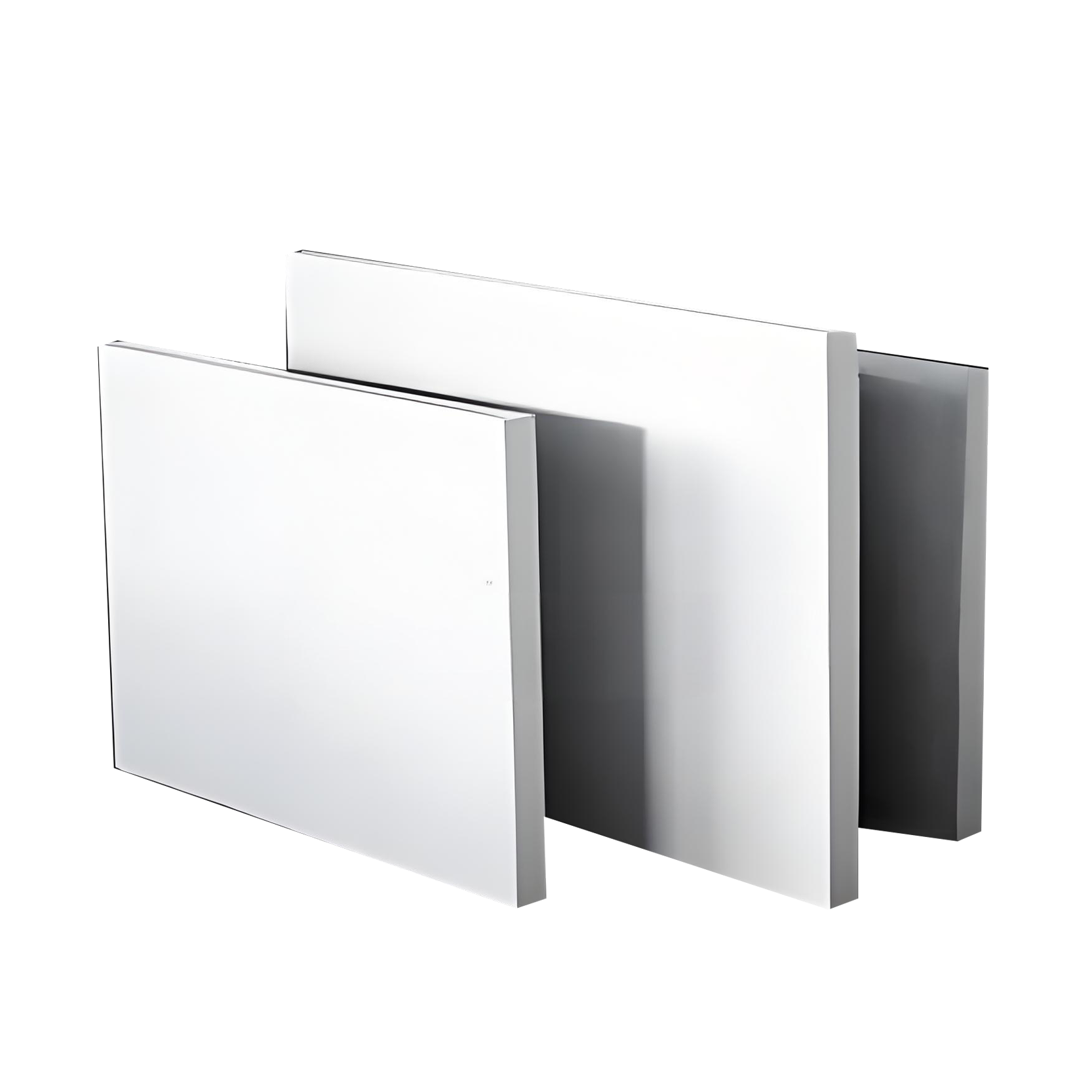
Aluminum silicate fiber mold board
Aluminum silicate fiber mold board is ma...
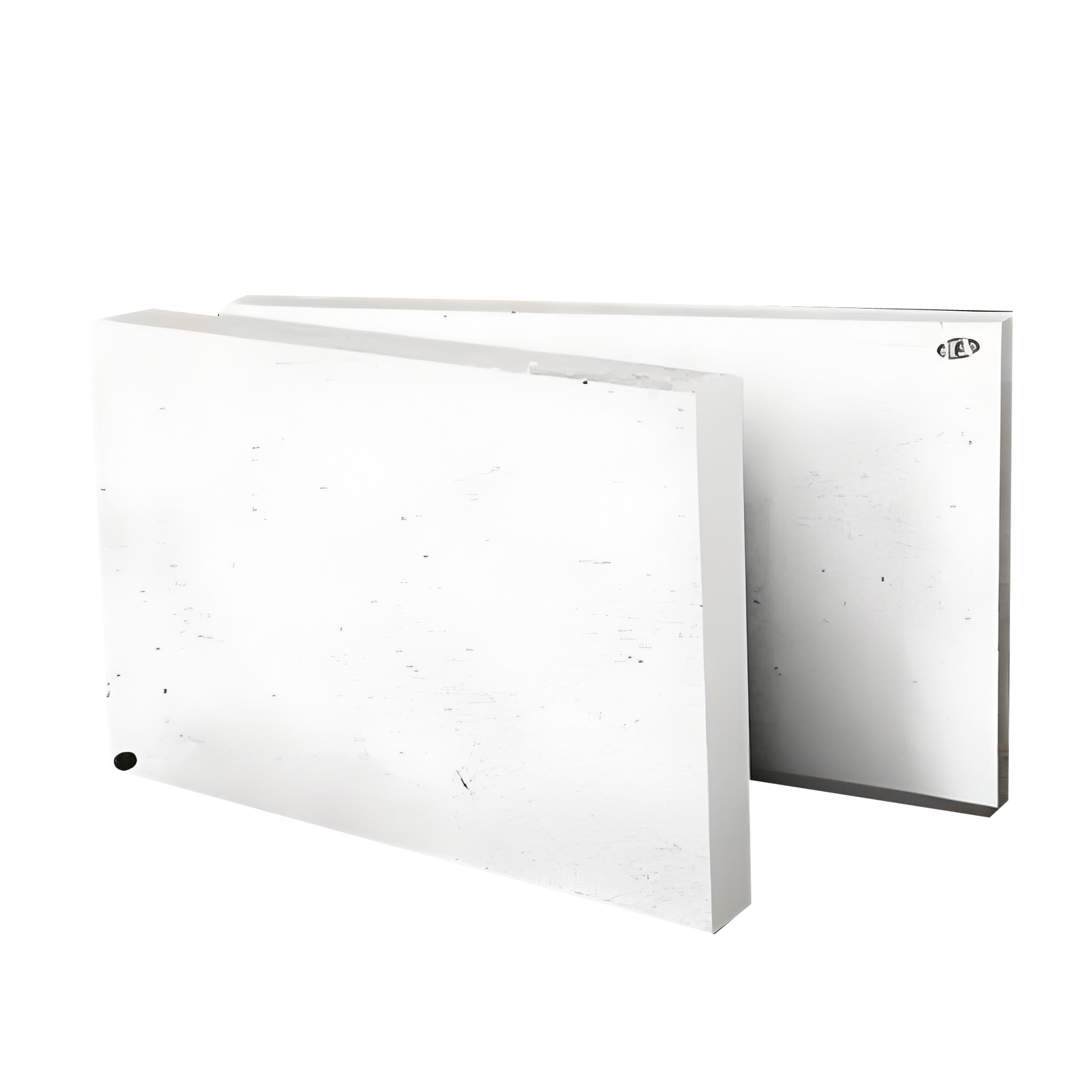
Aluminum silicate fiber furnace bottom plate
The bottom plate of the aluminum silicat...