简体中文
简体中文 English
 繁体中文
繁体中文 Deutsch
 Русский
Product
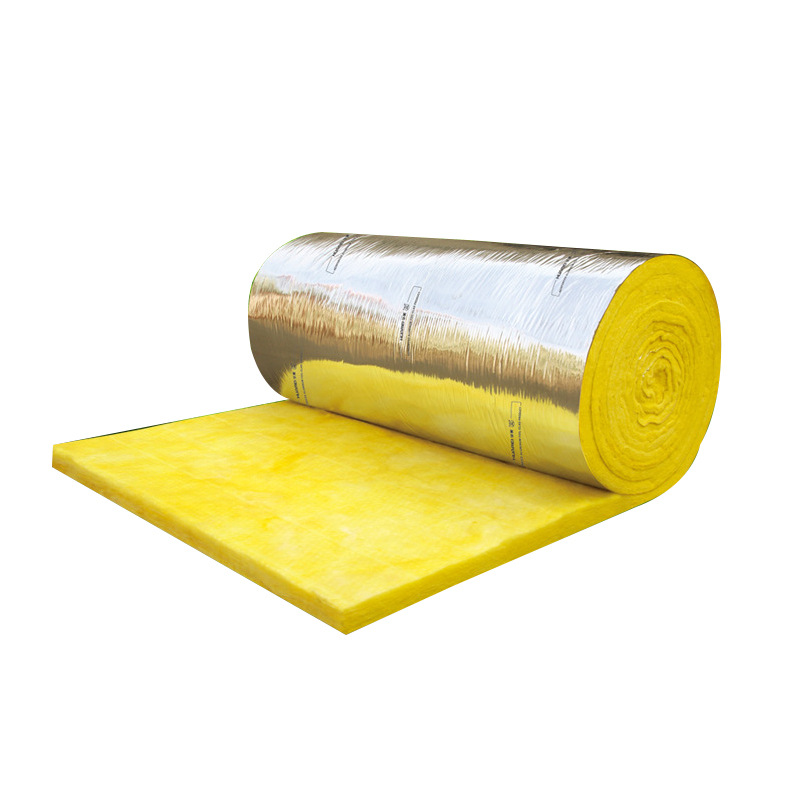
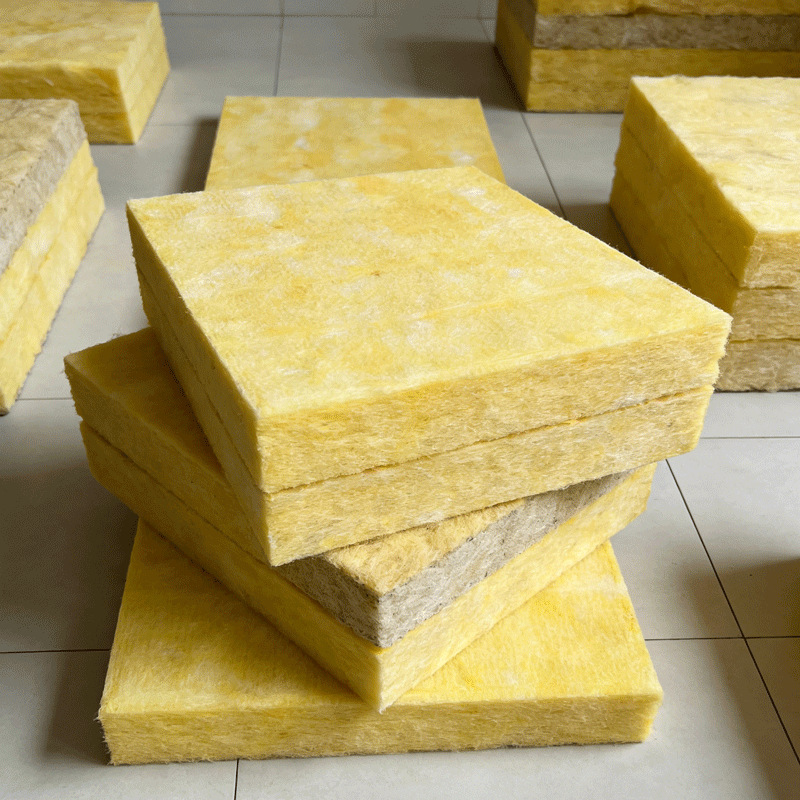
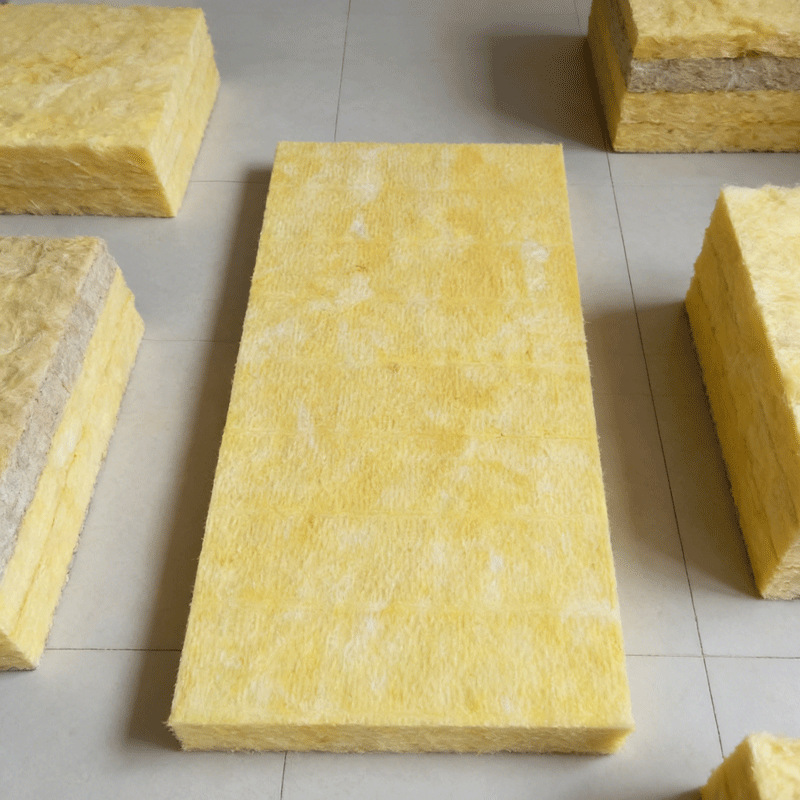
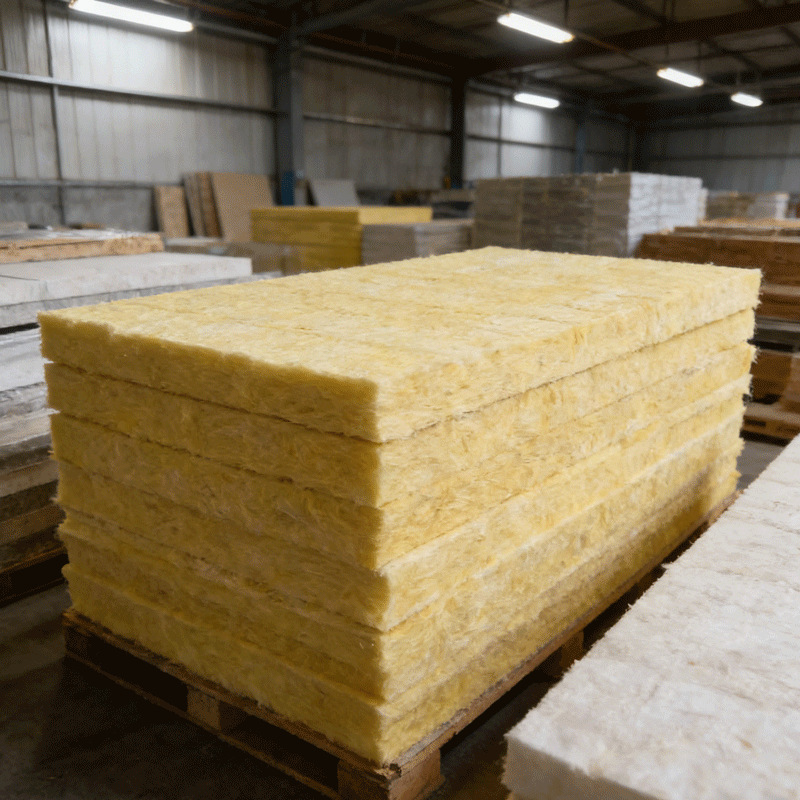
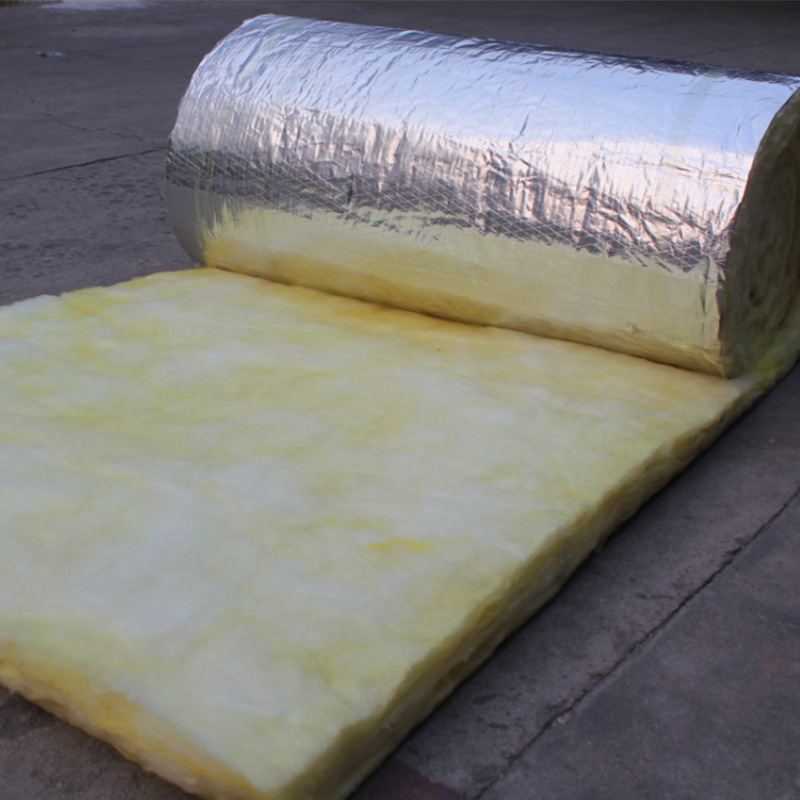
Commonly used glass wool
- Product details
-
HVAC duct insulation (HVAC)
Focus: anti condensation, energy saving, A-level fire protection
[Product Features]
1. Ultra high hydrophobicity (≥ 98%): specially designed for environments prone to condensation, preventing water vapor from entering the fiber interior and preventing the insulation layer from collapsing due to moisture.
2. Inhibit mold growth: Fiberglass is an inorganic material that does not contain mold nutrients and meets the hygiene requirements of clean air conditioning.
3. Flexible wrapping: Low density (16-24 kg/m ³), can easily adhere to rectangular or circular ducts, reducing gap thermal bridges.
4. Customized veneer: Composite moisture-proof and flame-retardant aluminum foil (Foam Scrim Kraft, FSK), which is both a moisture-proof layer and a reflective layer, beautiful and easy to clean.
Industrial pipeline and storage tank insulation (high temperature/steam)
Focus: High temperature resistance, low thermal conductivity, vibration resistance
[Product Features]
1. High temperature resistant glass wool: Continuous use temperature can reach 350 ℃, short-term temperature resistance is 450 ℃, and there is no shrinkage deformation.
2. Low slag ball content (≤ 5%): The fibers are slender and soft, with excellent winding properties, and can fit irregular parts such as elbows and valves.
3. Anti vibration structure: The rolled felt layer has a certain elasticity after wrapping, which can buffer the mechanical vibration generated by equipment start and stop.
4. Optional reinforced veneer: Outer layer composite aluminum foil fiberglass cloth or stainless steel wire mesh, resistant to rainwater erosion and mechanical damage.
[Application Case]
-Power plant desulfurization pipelines, petrochemical steam tracing pipelines, and ship exhaust pipes.
Building partition walls and steel structure roofs (sound insulation/thermal insulation)
Focus: Sound absorption and noise reduction, lightweight, environmentally friendly
[Product Features]
1. Efficient sound absorption (NRC ≥ 0.85): The microporous fiber structure significantly reduces room reverberation time, isolates air transmission, and is suitable for recording studios and conference room partitions.
2. Prevent "metal noise": Fill between purlins or keels to absorb the noise generated by thermal expansion and contraction of metal roof panels.
3. Environmentally friendly and formaldehyde free: using acrylic biobased adhesive (optional) to meet indoor environmental standards.
4. Elastic compaction: The width of the rolled felt is slightly larger than the spacing between the keels, and during installation, it is slightly compressed and tightly adhered to the wall panel to prevent sound leakage from gaps.
[Recommended specifications]
Density: 24-48 kg/m ³ (recommended ≥ 32 kg/m ³ for partition walls)
Thickness: 50-100mm (partition wall), 50-75mm (roof)
If you don't know how to choose, then I will arrange a specific purpose selection checklist for you:
Recommended density for application scenarios (kg/m ³) Key performance recommendations for veneers
Air conditioning duct 16-24 hydrophobic, anti condensation aluminum foil (FSK)
Steam pipeline 48-64 high temperature and vibration resistant aluminum foil fiberglass cloth/stainless steel mesh
Wall sound insulation 32-48, high sound absorption coefficient, formaldehyde free black felt/no veneer
Steel structure roof with 16-24 elastic filling and waterproof white PVC veneer (anti condensation)
related products
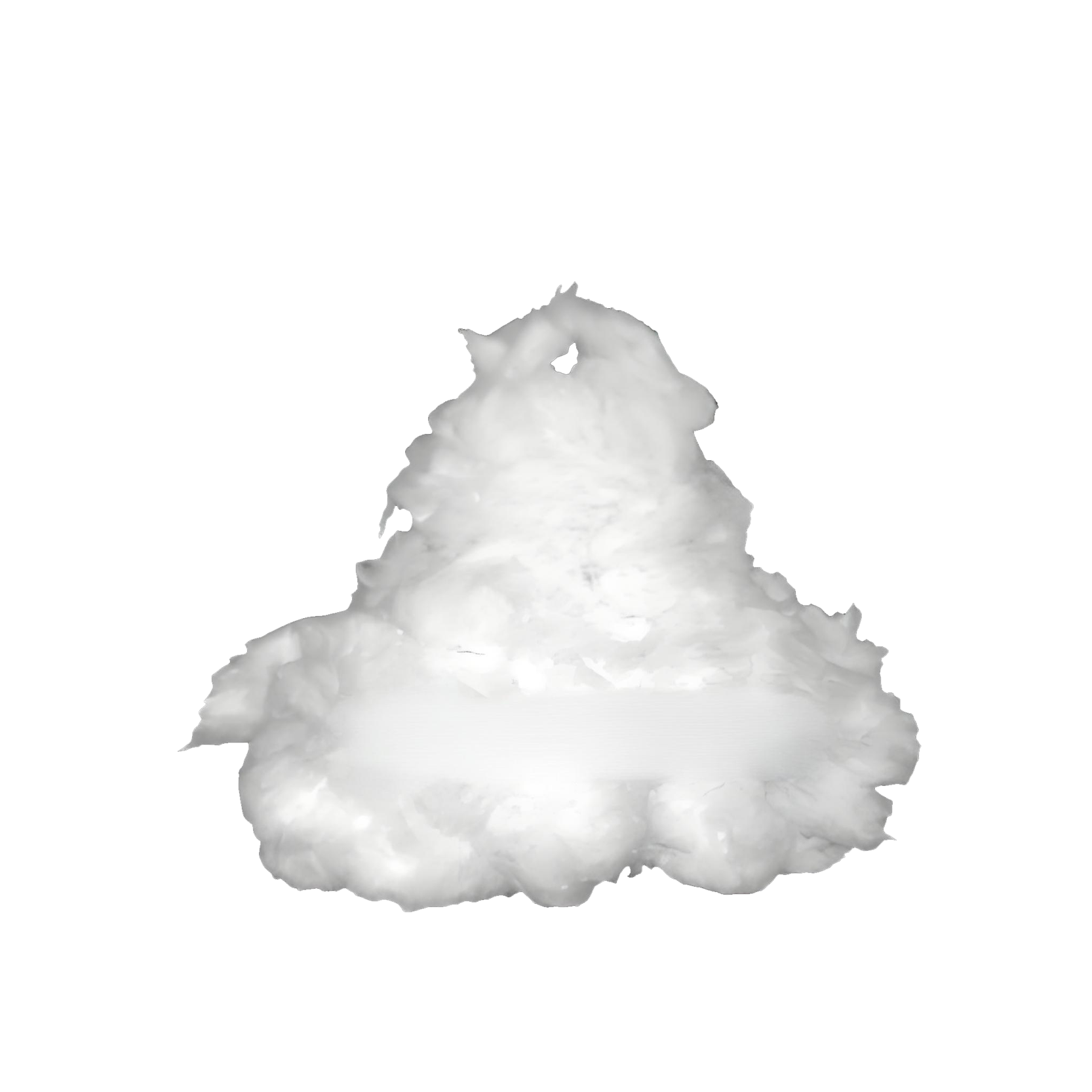
Aluminum silicate fiber textile cotton
Aluminum silicate fiber textile cotton i...
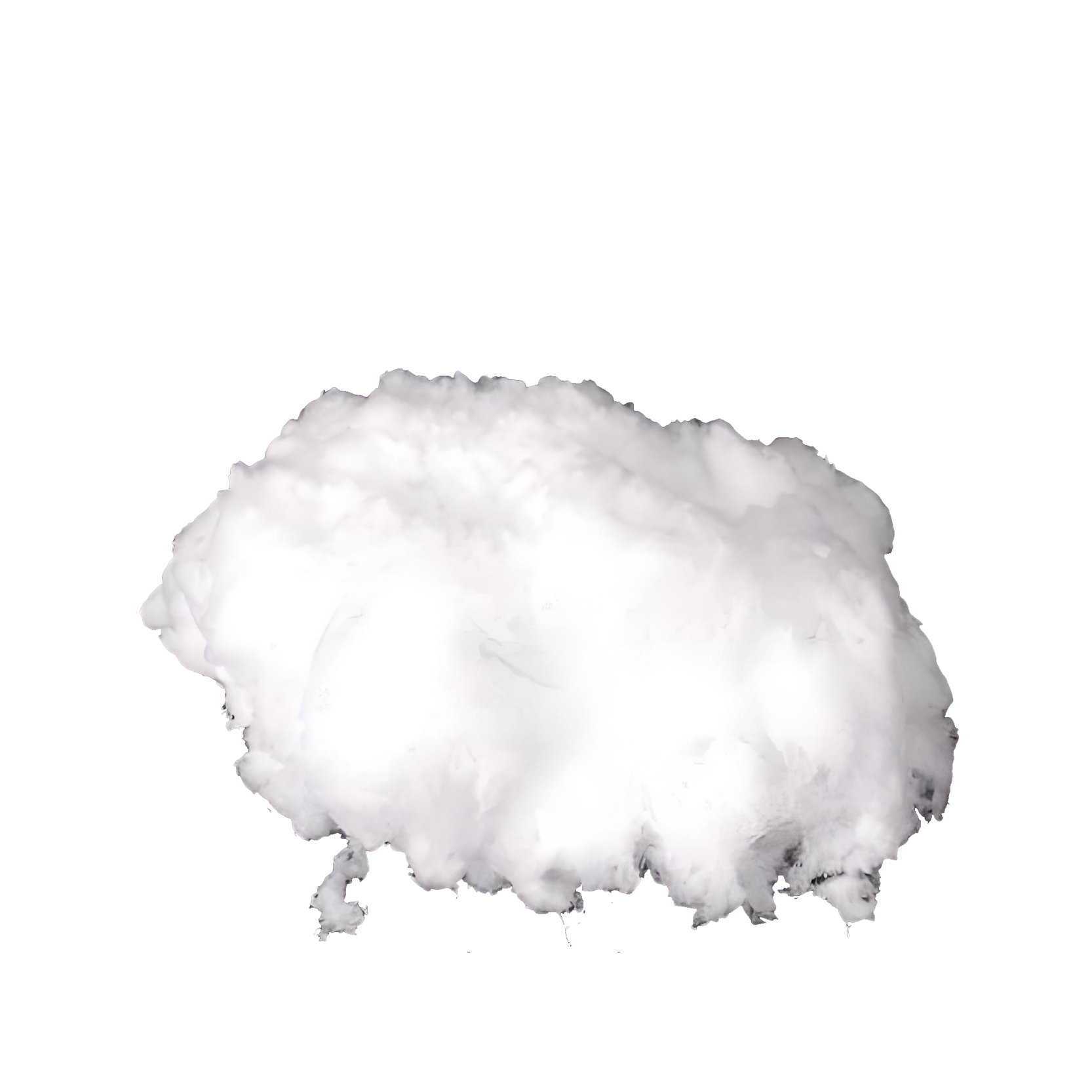
Aluminum silicate fiber standard cotton
Aluminum silicate fiber standard cotton ...
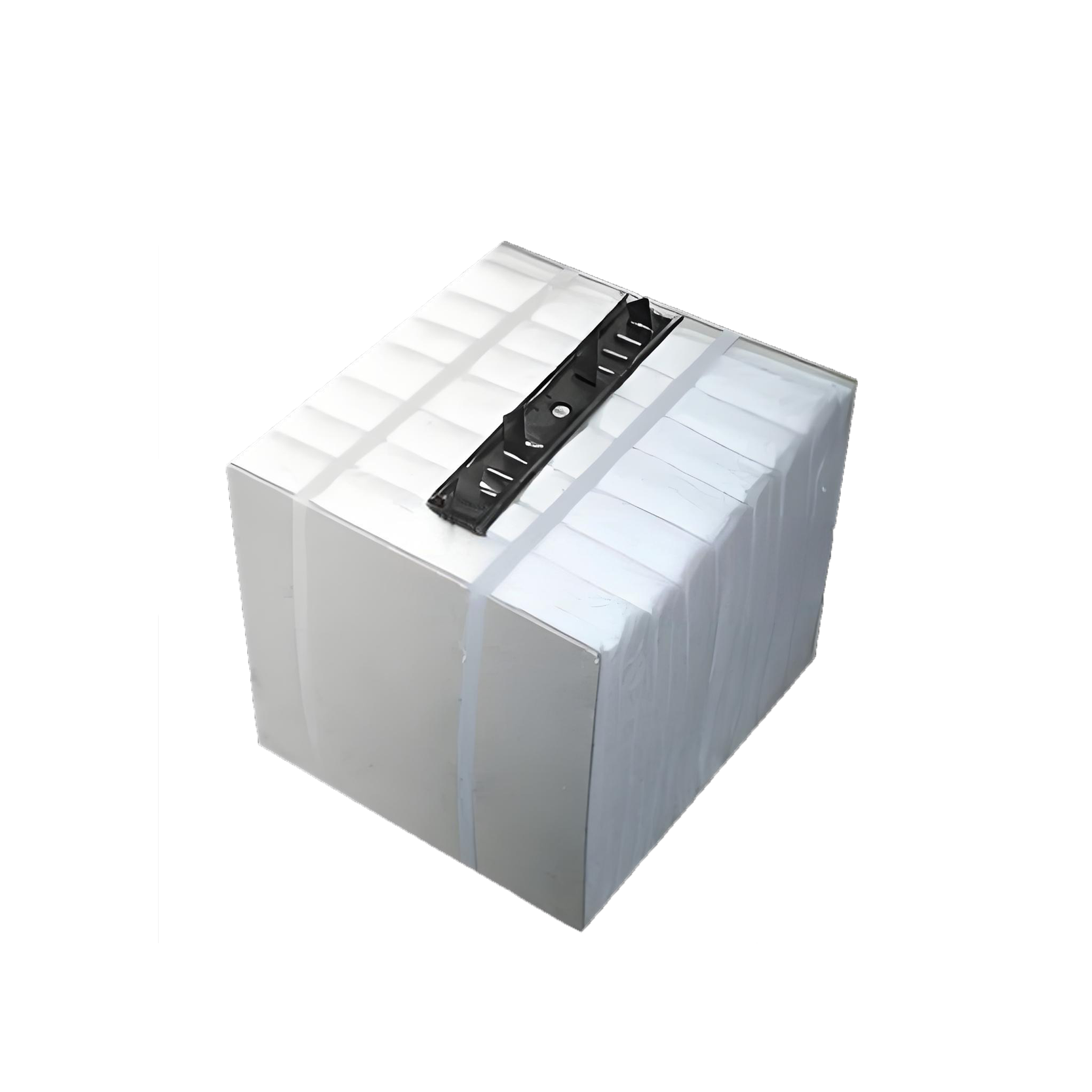
Aluminum silicate fiber standard module
It is a ceramic fiber needle punched bla...
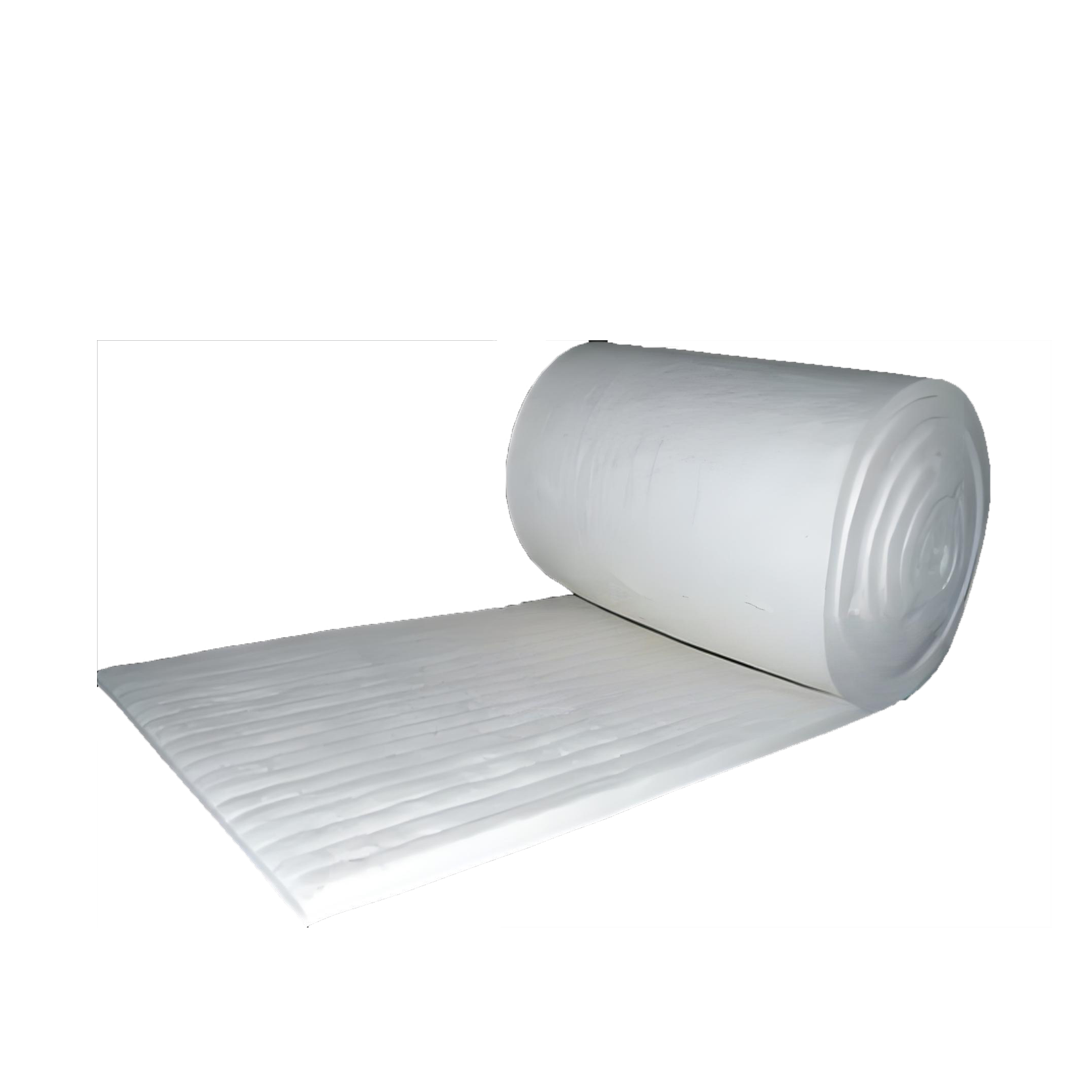
Aluminum silicate fiber standard blanket
It is a new type of refractory insulatio...
Product Inquiry
Please leave your message, we will contact you quickly after receiving it, thank you for your support!
common problem
Q
What are the main types of building insulation materials? What are the advantages and disadvantages of each?
A
Advantages: Good fire resistance (Class A non combustible), good breathability, and high stability.
Disadvantages: Slightly higher thermal conductivity than organic materials, higher water absorption rate, and easy generation of fiber dust during construction.
Organic insulation materials (such as EPS polystyrene board, XPS extruded board, PU polyurethane):
Advantages: low thermal conductivity, good insulation effect, light weight, and convenient construction.
Disadvantages: The fire rating is mostly B level (requiring the addition of flame retardants), it is prone to deformation at high temperatures, and its durability is slightly poor.
Composite insulation materials (such as integrated insulation board, vacuum insulation board):
Advantages: Excellent comprehensive performance, high construction efficiency, and some can achieve Class A fire protection.
Disadvantages: High cost and strict requirements for the flatness of the base layer.
Q
How to choose insulation materials suitable for the project?
A
Fire prevention requirements: Grade A materials are required for high-rise buildings (>100m); Low level B1 (flame retardant) is available.
Climate conditions: In extremely cold regions, materials with low thermal conductivity (such as PU, XPS) are preferred; Low water absorption is required in humid environment (such as XPS, foam glass).
Base type: Concrete walls often use boards; Complex shapes can be coated with polyurethane or insulated mortar.
Economy: EPS has the lowest cost; Vacuum insulation board is expensive but thin.
Policy and regulations: B2 level materials are prohibited in some areas, and local standards need to be consulted.