简体中文
简体中文 English
 繁体中文
繁体中文 Deutsch
 Русский
Product
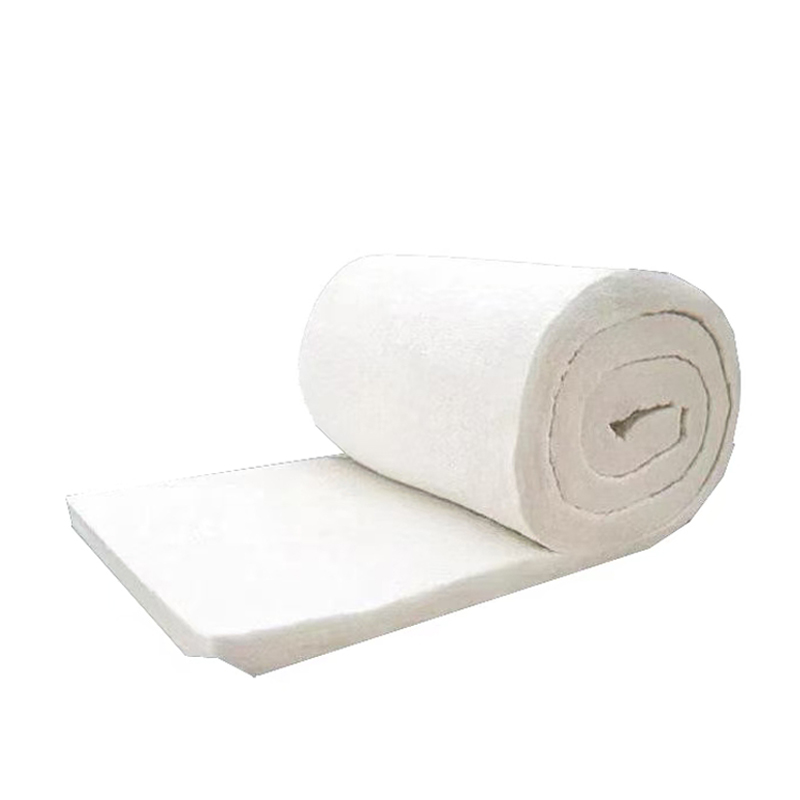
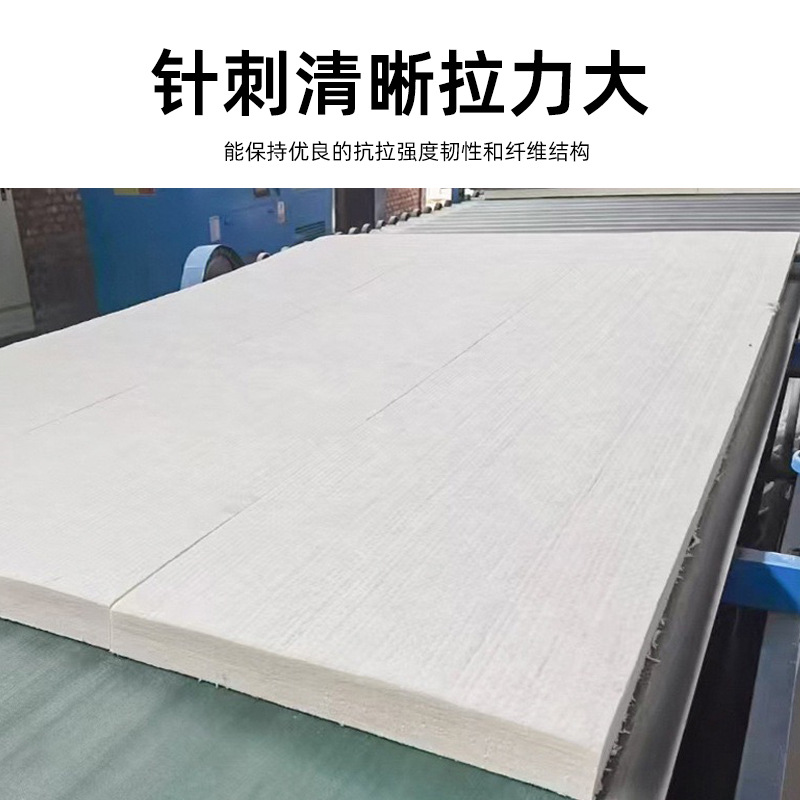
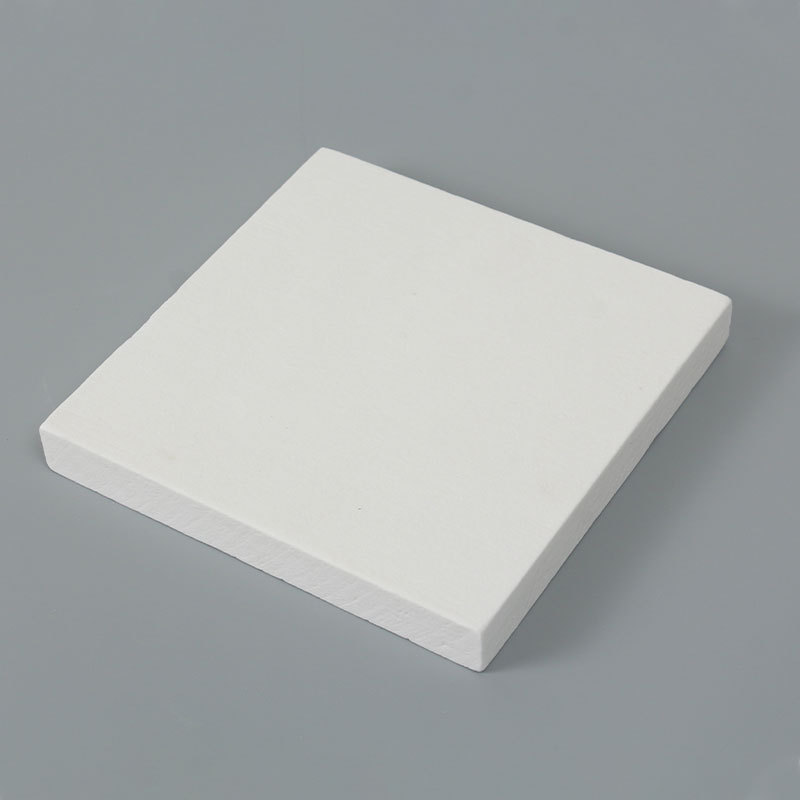
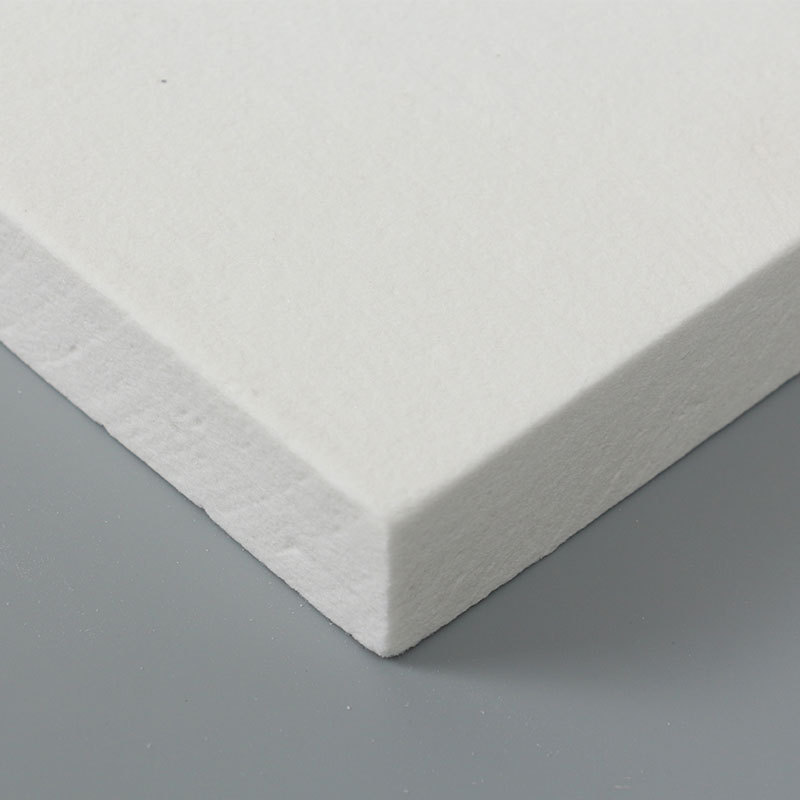
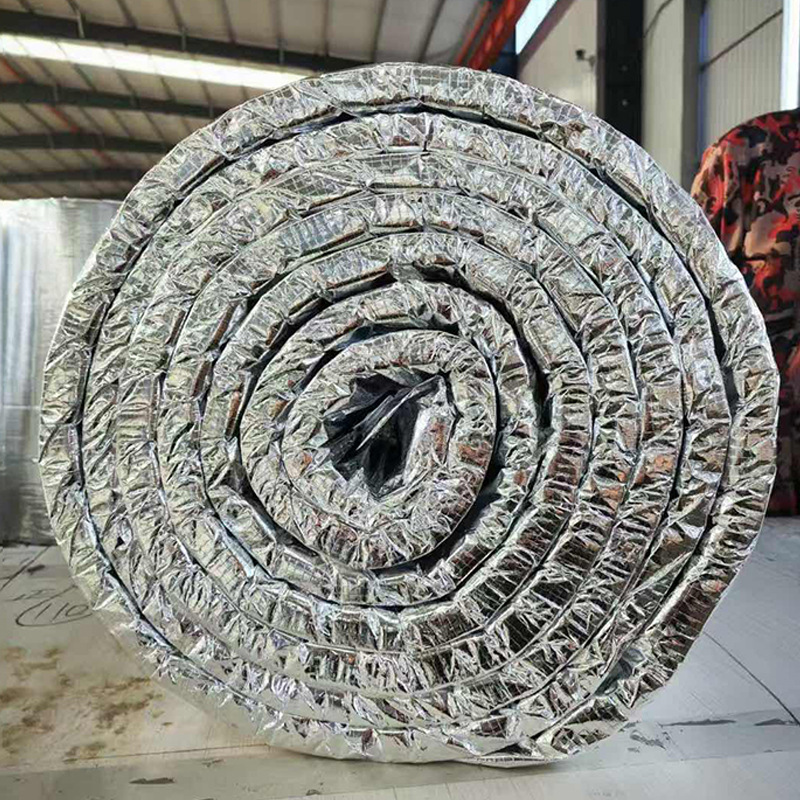
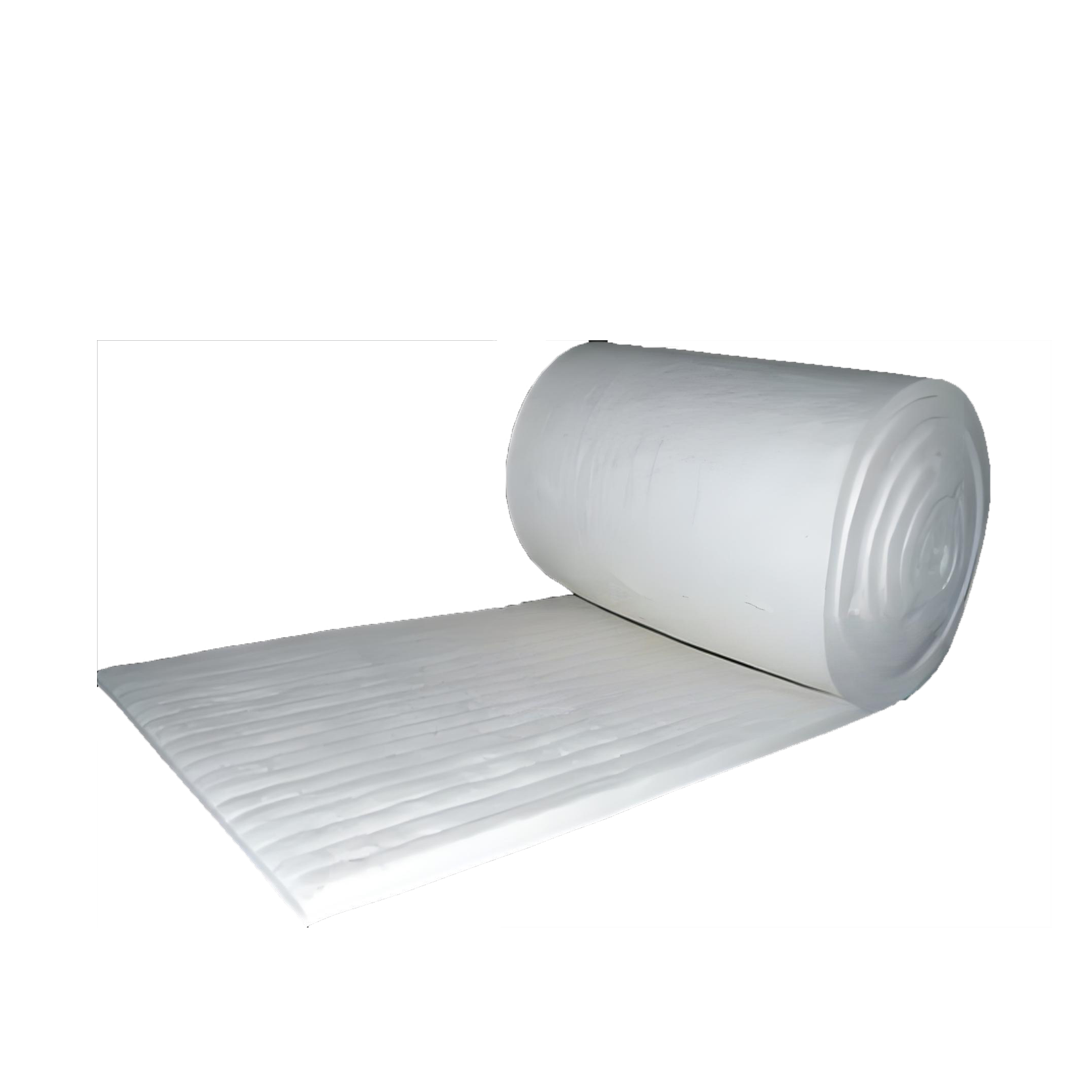
Aluminum silicate needle punched blanket
- Product details
-
High temperature resistance, Class A non combustible, low thermal conductivity, energy saving and consumption reduction
Aluminum silicate insulation material is a high-performance fire-resistant insulation material made mainly from high-quality gemstones, melted in a high-temperature electric furnace above 2000 ℃, blown by centrifugal spraying or spinning into fibers, and cured into shape by adding special binders. Its fibers interweave to form a microporous structure, which has the characteristics of light weight, high temperature resistance, low thermal conductivity, good thermal stability, and excellent thermal shock resistance. Our products come in various forms, including aluminum silicate plates, aluminum silicate felt/blankets, aluminum silicate tube shells, aluminum silicate shaped parts, etc. They are widely used in insulation and fire barriers for power boilers, industrial kilns, petrochemical high-temperature equipment, ship fire prevention, building fire doors and other fields.
Product classification and selection
Product Form Recommended Density (kg/m ³) Operating Temperature (℃) Core Features Typical Applications
Aluminum silicate board 80-600 ≤ 1000-1260, rigid and flat, high strength, erosion resistant, industrial kiln wall lining, furnace door baffle, fire door filling
Aluminum silicate felt/blanket 60-160 ≤ 1000-1350, with excellent flexibility, high tensile strength, easy cutting for boiler body insulation, high-temperature pipeline wrapping, and welding stress relief
Long filament ultra light aluminum silicate felt 50-150 ≤ 1200, fiber length up to 5-6 times that of ordinary, thermal conductivity reduced by 10-30%, nuclear power insulation, high-end industrial kiln
Aluminum silicate tube shell 100-180 ≤ 1000 prefabricated and easy to install
Thermal and steam pipeline insulation
core advantage
1. Excellent high temperature resistance performance
The normal type can reach a temperature of 1000 ℃, while the high aluminum/zirconium containing type can reach 1260-1430 ℃
Maintain structural stability at high temperatures with low linear shrinkage rate (1000 ℃ insulation for 24 hours ≤ 4.0%)
2. A-level non combustible fire protection
The combustion performance reaches A (A1) level, and it does not burn or release toxic smoke when exposed to fire
Compliant with strict fire safety regulations in fields such as electricity, petrochemicals, and construction
3. Extremely low thermal conductivity
Thermal conductivity as low as 0.034 W/(m · K) at room temperature
≤ 0.182 W/(m · K) at an average temperature of 500 ℃
A large amount of static air is enclosed in the fiber pores, with outstanding insulation effect
4. Excellent thermal stability and thermal shock resistance
Can withstand severe temperature fluctuations without cracking or peeling off
Especially suitable for intermittent kilns and thermal equipment that frequently starts and stops
5. Good mechanical performance
Fiber is flexible and elastic, with high tensile strength (needle punched blanket ≥ 10-35kPa)
Buffer device vibration to prevent hard materials from breaking and falling off
6. Strong chemical stability
Resistant to most corrosive media except hydrofluoric acid and strong alkali
When used to cover austenitic stainless steel, the ion content of the leaching solution is controllable (specially designed low corrosion type)
7. Convenient construction
Lightweight and soft, can be cut to fit irregular parts such as elbows and valves
The product has a variety of forms and can be customized with irregular parts to meet special needs
Typical application scenarios
power industry
-Boiler body, turbine generator unit insulation
-Thermal insulation for steam pipelines, smoke, air, and coal powder pipelines
-Thermal insulation of nuclear power equipment
petrochemical industry
-High temperature reaction equipment and heating equipment wall lining
-Thermal insulation layer for cracking furnace and conversion furnace
-High temperature pipeline insulation
Industrial kiln
-Furnace lining insulation, furnace door top cover sealing
-Kiln car cushion plate, fire blocking plate
-High temperature filter material
building fire protection
-Fire door core material filling
-Fire isolation zone for high-rise buildings
Ship/Transportation
-Ship fire prevention and insulation
-Automotive/train manufacturing insulation layer
-Welding parts stress relief heat treatment insulation
related products
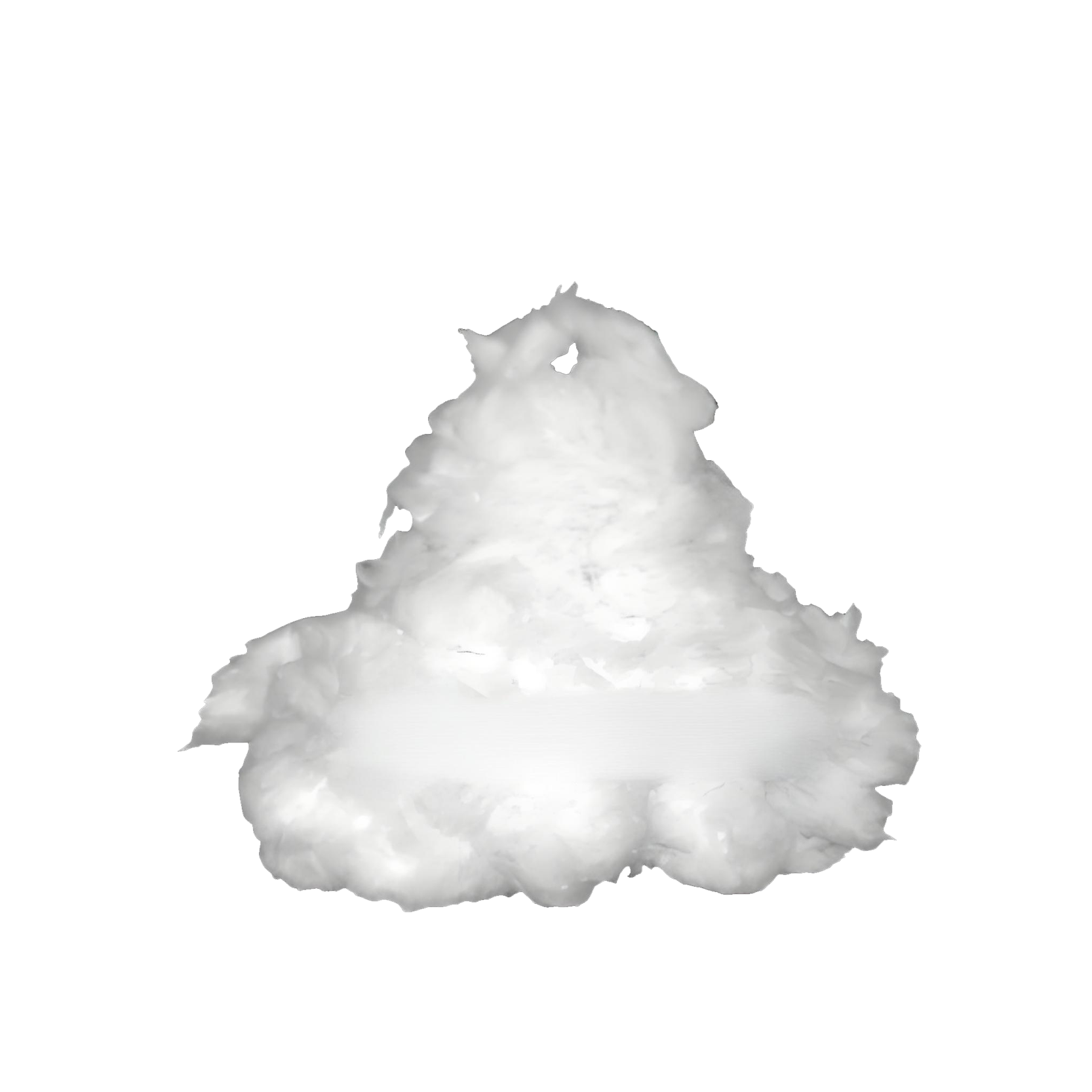
Aluminum silicate fiber textile cotton
Aluminum silicate fiber textile cotton i...
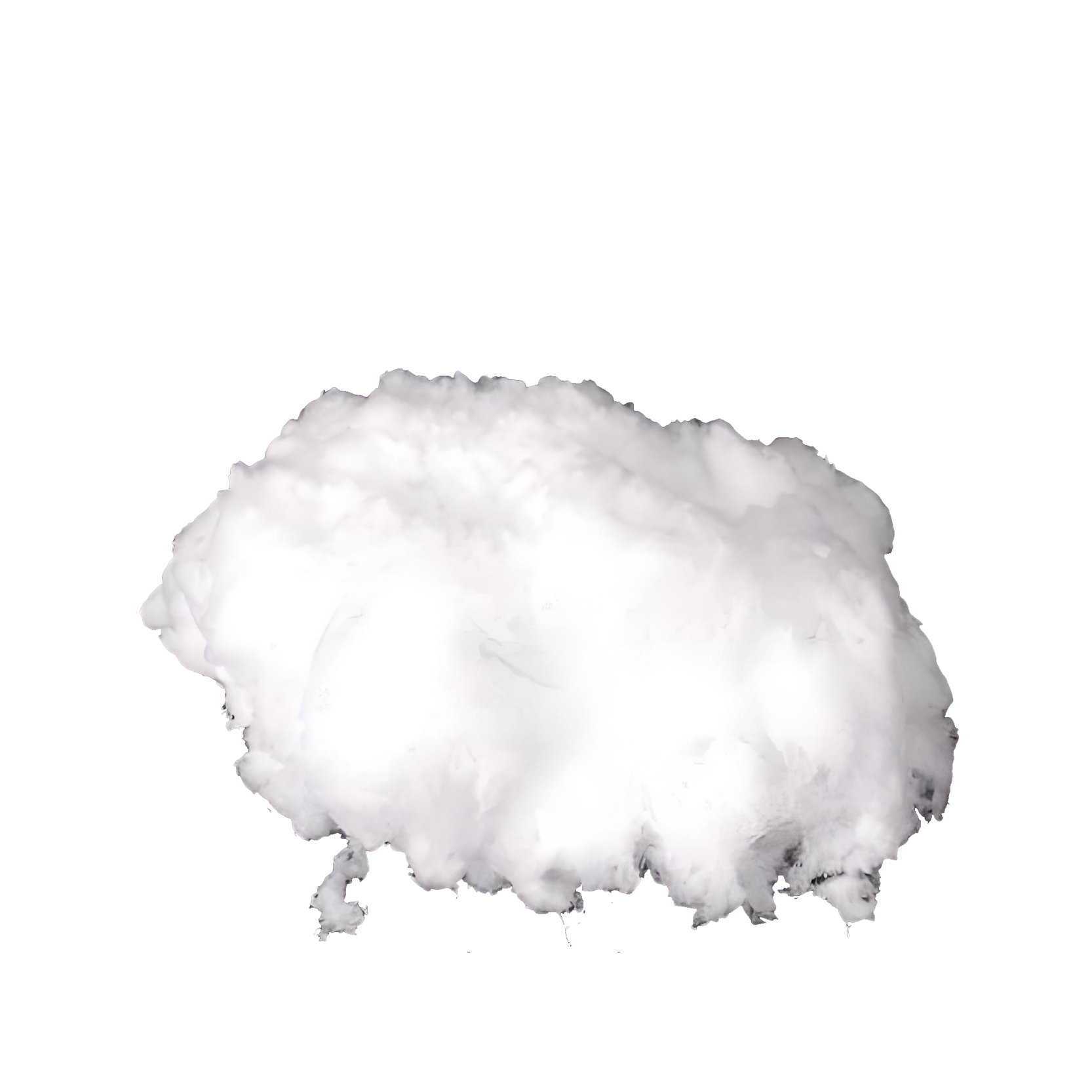
Aluminum silicate fiber standard cotton
Aluminum silicate fiber standard cotton ...
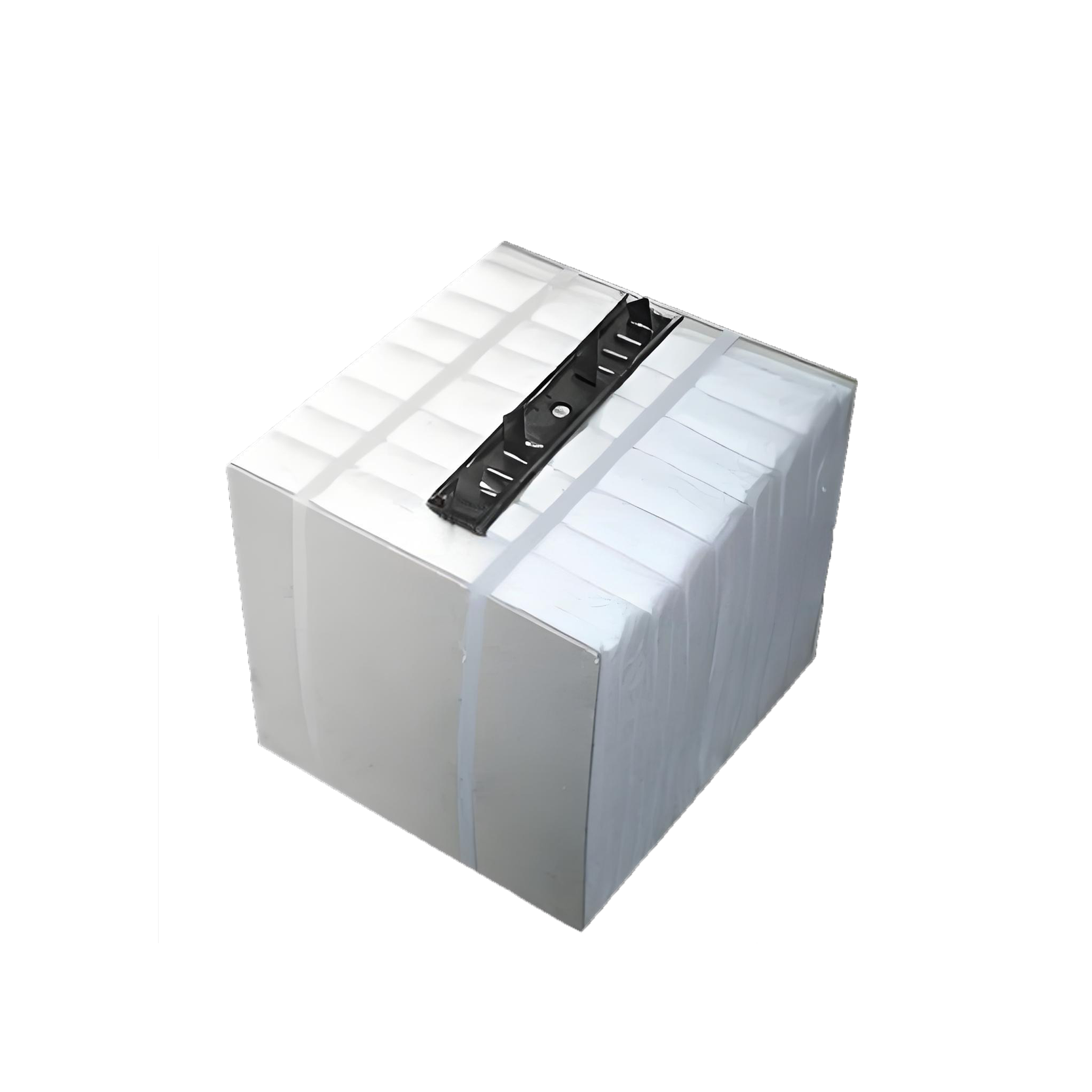
Aluminum silicate fiber standard module
It is a ceramic fiber needle punched bla...
Aluminum silicate fiber standard blanket
It is a new type of refractory insulatio...
Product Inquiry
Please leave your message, we will contact you quickly after receiving it, thank you for your support!
common problem
Q
What are the main types of building insulation materials? What are the advantages and disadvantages of each?
A
Advantages: Good fire resistance (Class A non combustible), good breathability, and high stability.
Disadvantages: Slightly higher thermal conductivity than organic materials, higher water absorption rate, and easy generation of fiber dust during construction.
Organic insulation materials (such as EPS polystyrene board, XPS extruded board, PU polyurethane):
Advantages: low thermal conductivity, good insulation effect, light weight, and convenient construction.
Disadvantages: The fire rating is mostly B level (requiring the addition of flame retardants), it is prone to deformation at high temperatures, and its durability is slightly poor.
Composite insulation materials (such as integrated insulation board, vacuum insulation board):
Advantages: Excellent comprehensive performance, high construction efficiency, and some can achieve Class A fire protection.
Disadvantages: High cost and strict requirements for the flatness of the base layer.
Q
How to choose insulation materials suitable for the project?
A
Fire prevention requirements: Grade A materials are required for high-rise buildings (>100m); Low level B1 (flame retardant) is available.
Climate conditions: In extremely cold regions, materials with low thermal conductivity (such as PU, XPS) are preferred; Low water absorption is required in humid environment (such as XPS, foam glass).
Base type: Concrete walls often use boards; Complex shapes can be coated with polyurethane or insulated mortar.
Economy: EPS has the lowest cost; Vacuum insulation board is expensive but thin.
Policy and regulations: B2 level materials are prohibited in some areas, and local standards need to be consulted.