简体中文
简体中文 English
 繁体中文
繁体中文 Deutsch
 Русский
Product
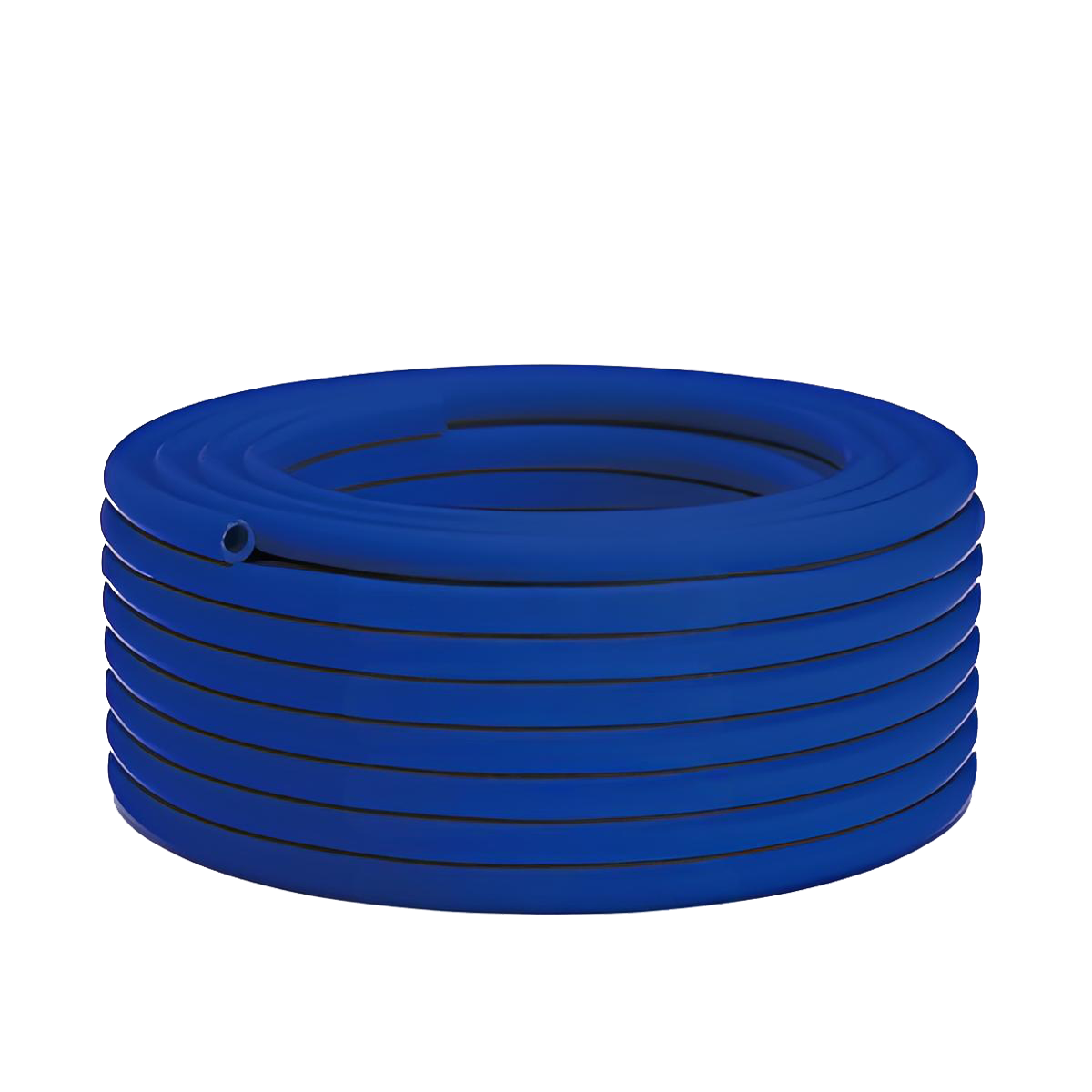
福布斯A+橡塑
- Product details
-
福布斯A+新型橡塑保温一体管
围绕家装领域绿色、安全、高效节能的需求,我们创新研发福布斯A+橡塑产品。其融入了“守护家庭港湾,呵护家人健康”的产品理念,采用全新产品配方,不含甲醛,氯氟烃,DOP、短链氯化石蜡等物质;应用全新发泡工艺,产品表面细腻光滑且不易聚积粉尘,拥有更强的抗撕裂能力和防水效果,使用寿命更长久。
为了便于同家装风格相互呼应且易于后期整体维护,可根据用户需求提供各种颜色福布斯A+橡塑产品。
related products
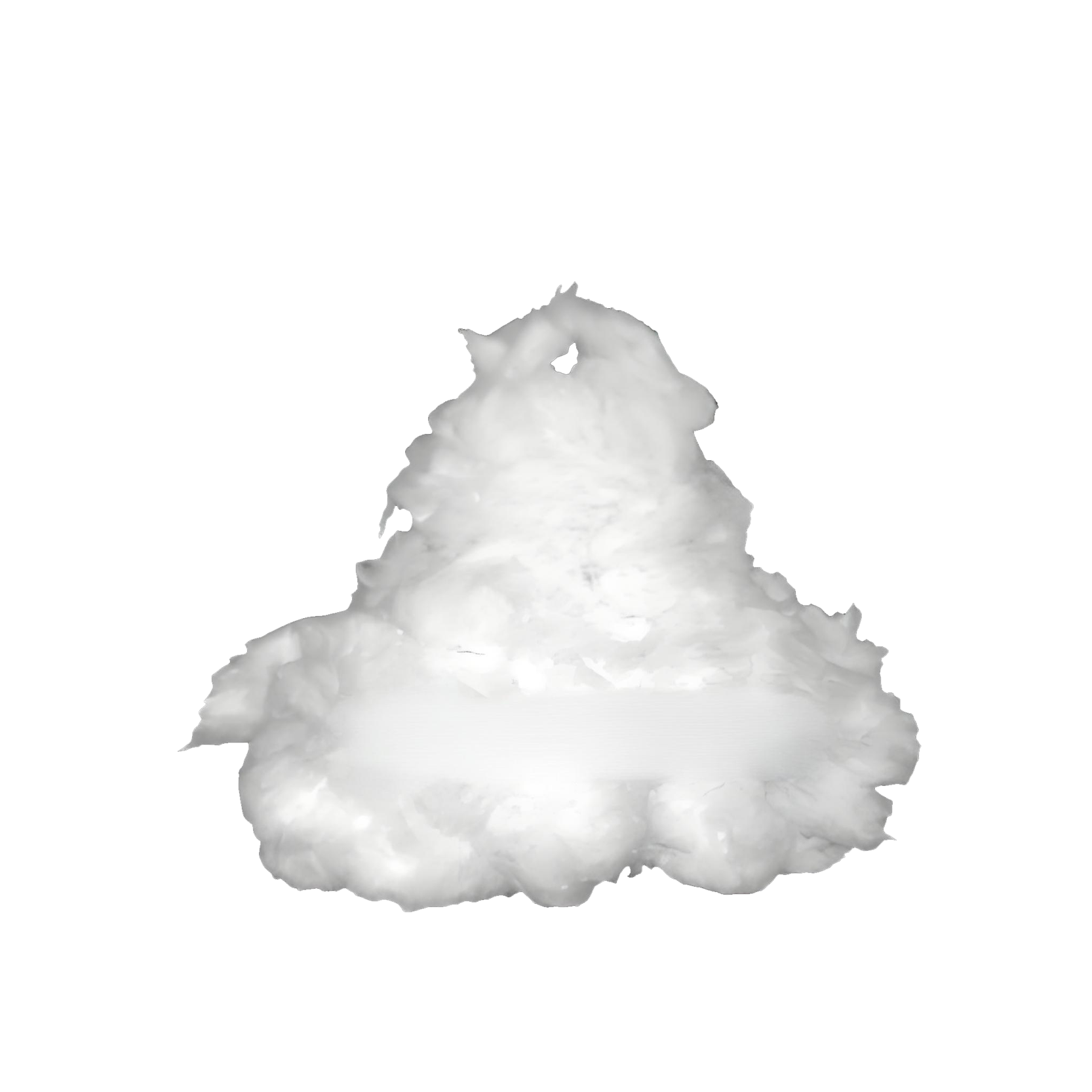
Aluminum silicate fiber textile cotton
Aluminum silicate fiber textile cotton i...
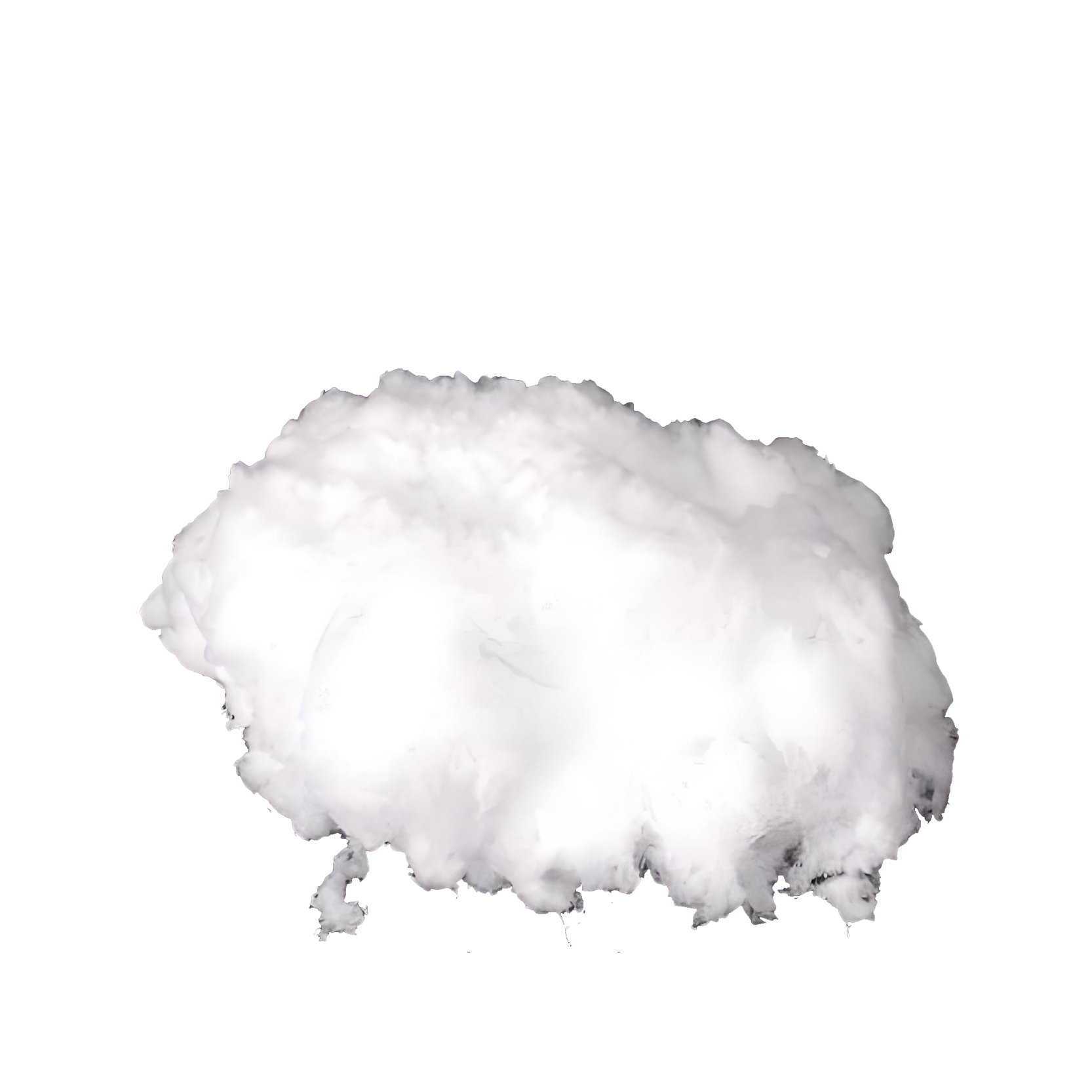
Aluminum silicate fiber standard cotton
Aluminum silicate fiber standard cotton ...
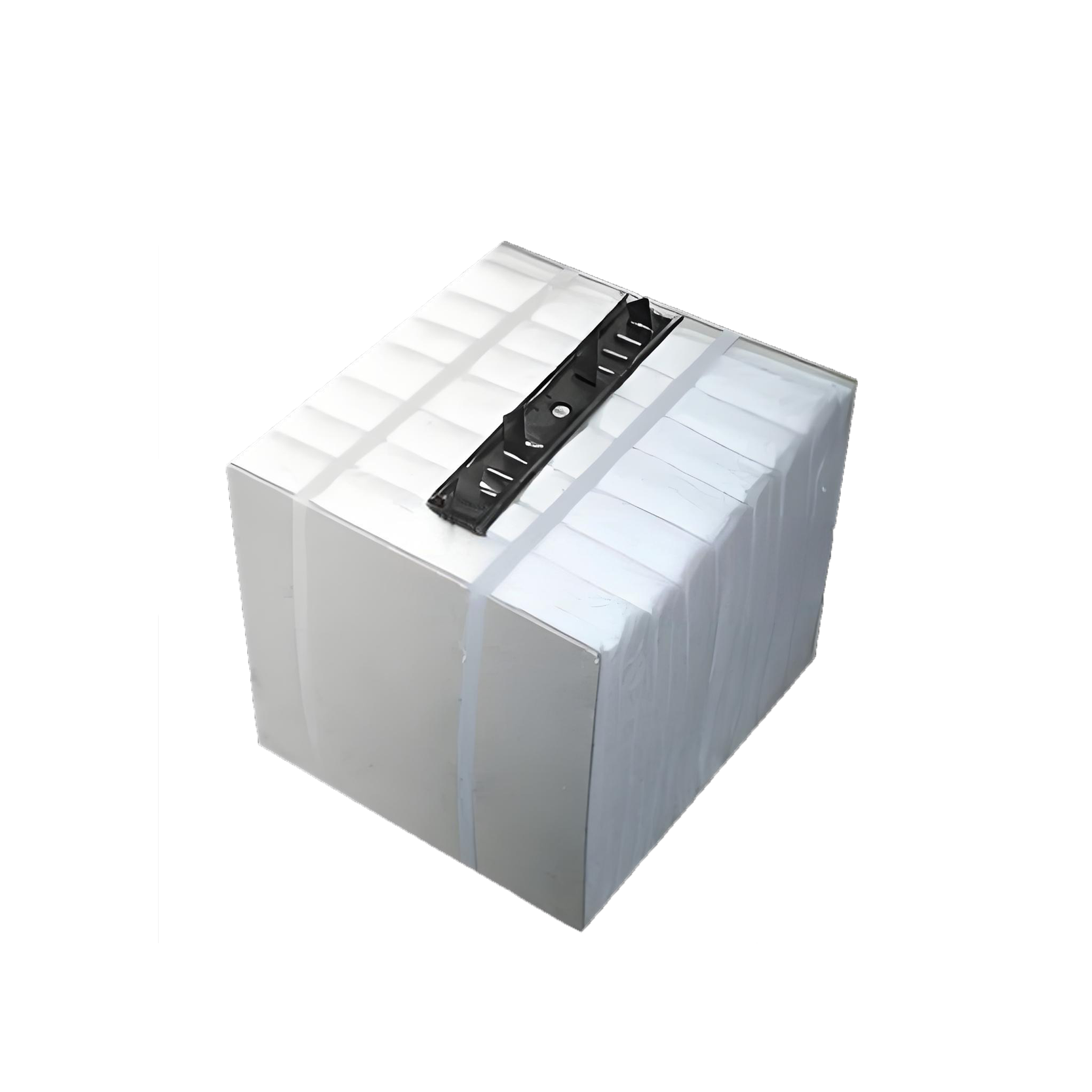
Aluminum silicate fiber standard module
It is a ceramic fiber needle punched bla...
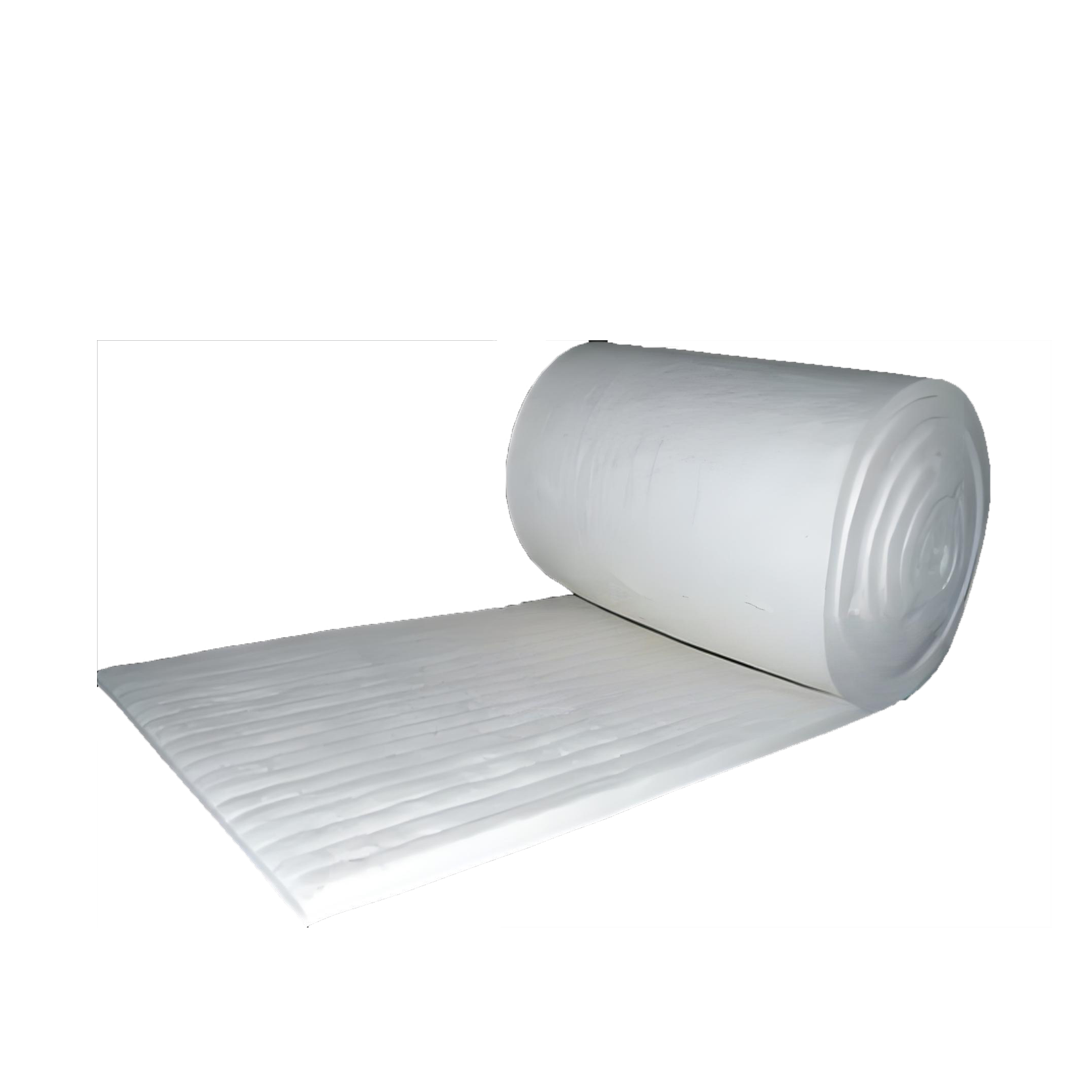
Aluminum silicate fiber standard blanket
It is a new type of refractory insulatio...
Product Inquiry
Please leave your message, we will contact you quickly after receiving it, thank you for your support!
common problem
Q
What are the main types of building insulation materials? What are the advantages and disadvantages of each?
A
Advantages: Good fire resistance (Class A non combustible), good breathability, and high stability.
Disadvantages: Slightly higher thermal conductivity than organic materials, higher water absorption rate, and easy generation of fiber dust during construction.
Organic insulation materials (such as EPS polystyrene board, XPS extruded board, PU polyurethane):
Advantages: low thermal conductivity, good insulation effect, light weight, and convenient construction.
Disadvantages: The fire rating is mostly B level (requiring the addition of flame retardants), it is prone to deformation at high temperatures, and its durability is slightly poor.
Composite insulation materials (such as integrated insulation board, vacuum insulation board):
Advantages: Excellent comprehensive performance, high construction efficiency, and some can achieve Class A fire protection.
Disadvantages: High cost and strict requirements for the flatness of the base layer.
Q
How to choose insulation materials suitable for the project?
A
Fire prevention requirements: Grade A materials are required for high-rise buildings (>100m); Low level B1 (flame retardant) is available.
Climate conditions: In extremely cold regions, materials with low thermal conductivity (such as PU, XPS) are preferred; Low water absorption is required in humid environment (such as XPS, foam glass).
Base type: Concrete walls often use boards; Complex shapes can be coated with polyurethane or insulated mortar.
Economy: EPS has the lowest cost; Vacuum insulation board is expensive but thin.
Policy and regulations: B2 level materials are prohibited in some areas, and local standards need to be consulted.