简体中文
简体中文 English
 繁体中文
繁体中文 Deutsch
 Русский
Product
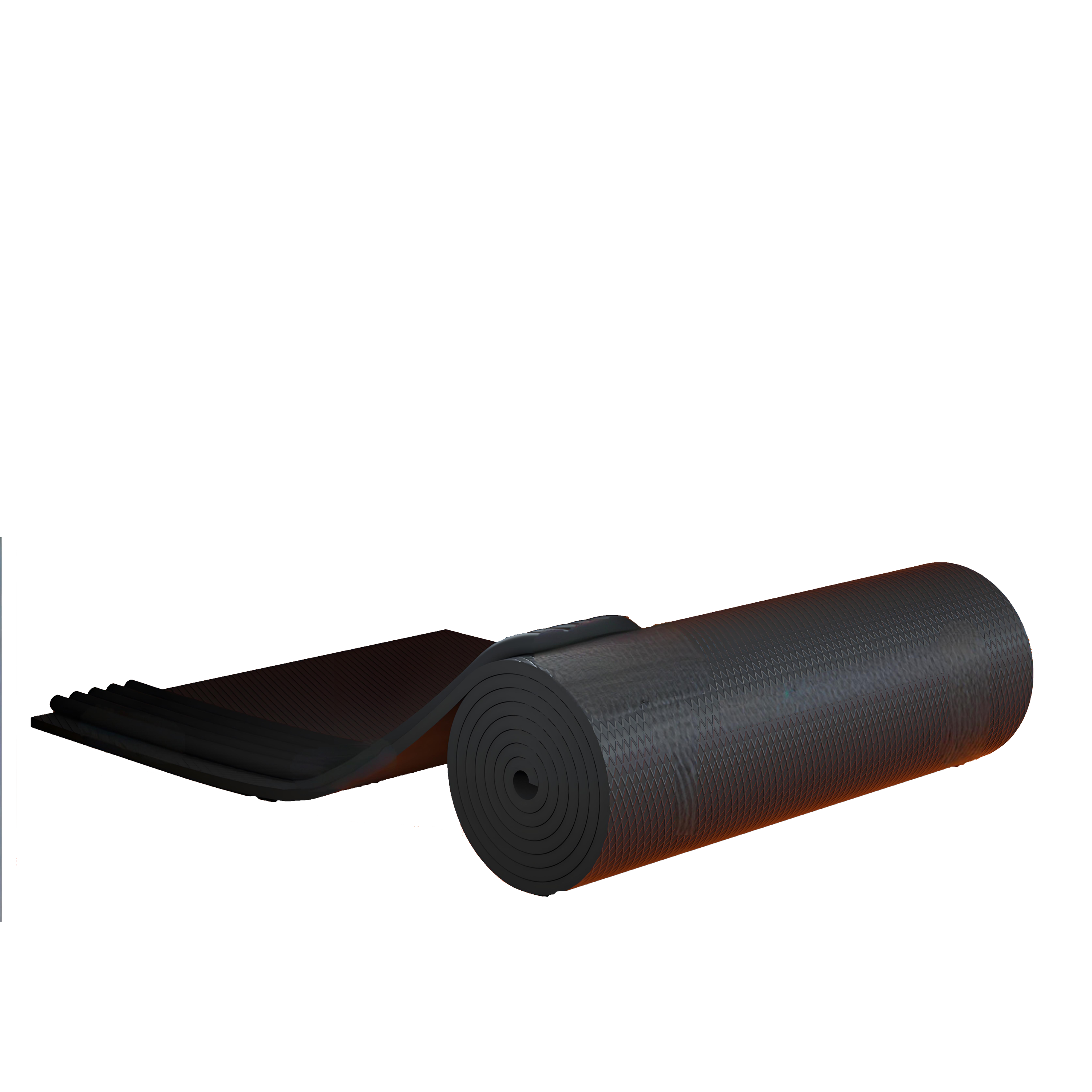
Sanyuan Meiluosi Rubber
- Product details
-
Sanyuan Melas rubber and plastic uses soft thermal insulation material foamed from EPDM rubber known as "crack free rubber" as raw material. It has stable performance, crack resistance, high temperature and low temperature resistance, high elasticity and other properties, excellent corrosion resistance, so that the product is not easy to age. This product is easy to install and has a long service life. The temperature range of use is -55 ° C to 150 ° C, and the interval use can reach 175 ° C. It is specially used in the insulation of media with lower and higher temperatures, such as automobile air conditioning insulation. Similarly, this product is also applicable to all parts of ordinary rubber and plastic (NBR/PVC) insulation, and improves the aging resistance and thermal insulation performance of insulation parts to a greater extent. In order to meet the requirements of halogen-free products in EU and other countries, as well as the strict prohibition of using halogen containing products in certain industries, customized halogen-free products can be made. The halogen-free products can ensure that stainless steel and copper pipe insulation pipelines are not easily corroded.
Wide temperature range for use:
Sanyuan Meiluosi rubber can still provide insulation and prevent condensation in environments as low as -55 ° C. It does not crack or carbonize in environments up to 150 ° C, preventing heat loss. When the temperature reaches 175 ° C, it can be used intermittently. Within the above working temperature range, the thermal efficiency and water vapor resistance of ternary Meiluosi rubber are not affected.
Low thermal conductivity:
Sanyuan Meiluosi rubber has a low thermal conductivity, with a thermal conductivity of 0.034W/mK at 0 ° C. Its surface heat release coefficient is high, achieving the same insulation effect under the same external conditions. The thickness of this product is relatively thin.
Strong anti-aging and crack resistance:
The rubber material used by Sanyuan Meiluosi Rubber is known as the "crack free rubber" EPDM rubber. With the combination of other excellent materials and processes, it has been continuously cracked and aged in areas directly exposed to sunlight for a long time.
Good elasticity and strong seismic performance:
Sanyuan Meiluosi rubber has high elasticity, which can minimize the vibration and resonance of chilled water and hot water pipelines during use. Good moisture resistance:
Sanyuan Meiluosi Rubber is a completely closed cell foam structure with higher moisture resistance factor, forming a built-in vapor barrier layer. It is both an insulation layer and a moisture-proof layer for the entire product. Even if the surface is partially damaged, its closed cell structure in the entire thickness direction can still effectively prevent external water vapor from penetrating, ensuring the long-term stability of physical properties and prolonging the use of the product in humid environments
Years.
related products
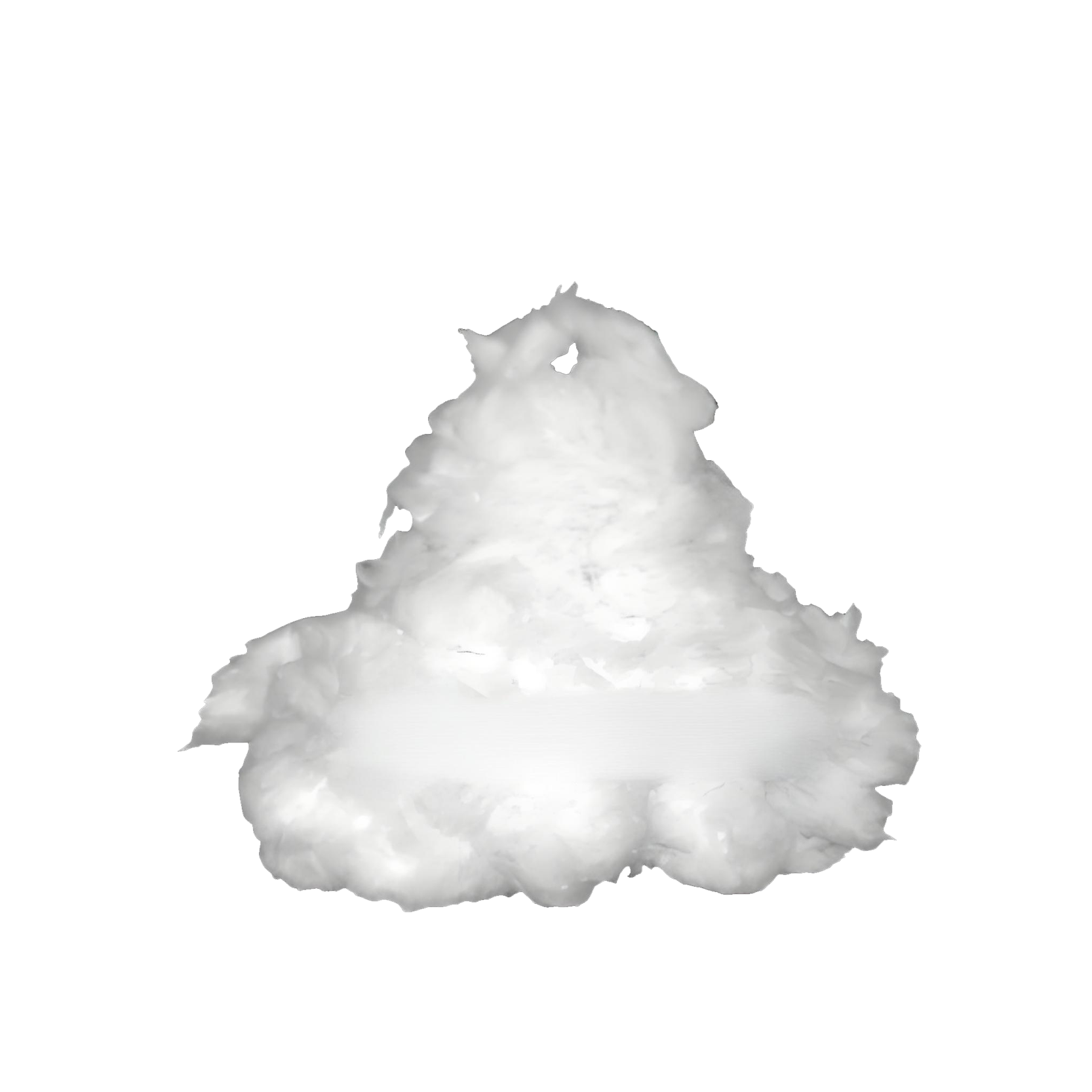
Aluminum silicate fiber textile cotton
Aluminum silicate fiber textile cotton i...
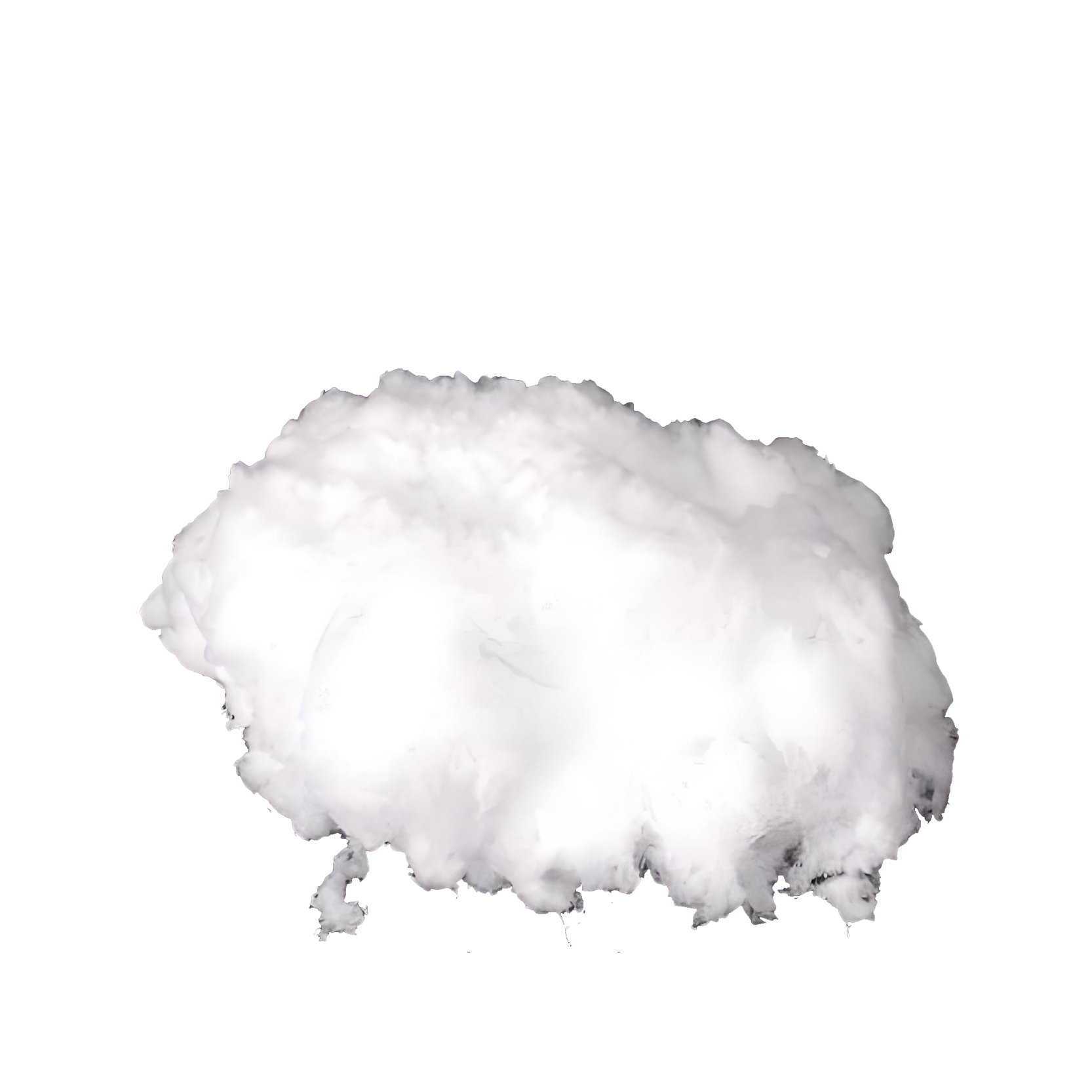
Aluminum silicate fiber standard cotton
Aluminum silicate fiber standard cotton ...
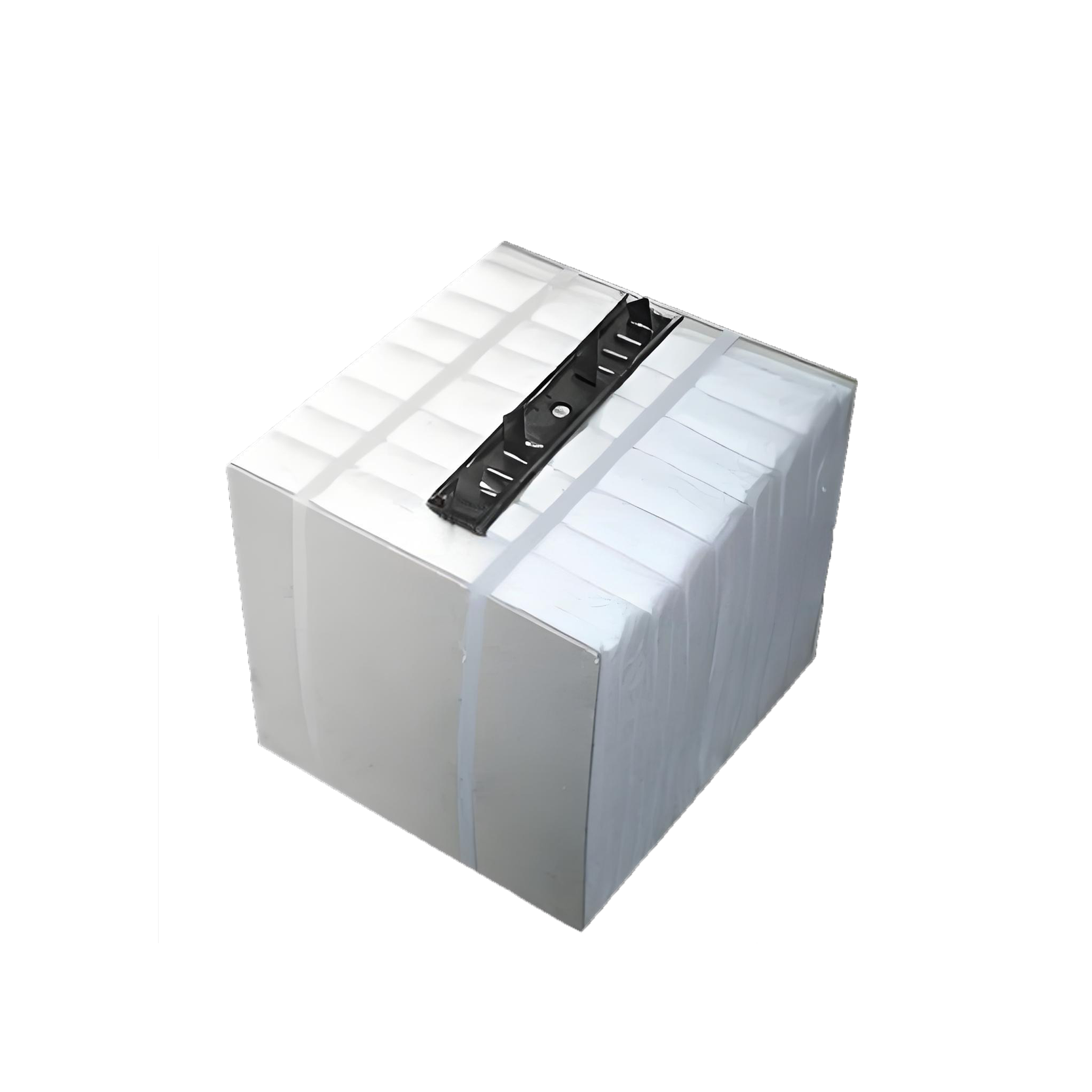
Aluminum silicate fiber standard module
It is a ceramic fiber needle punched bla...
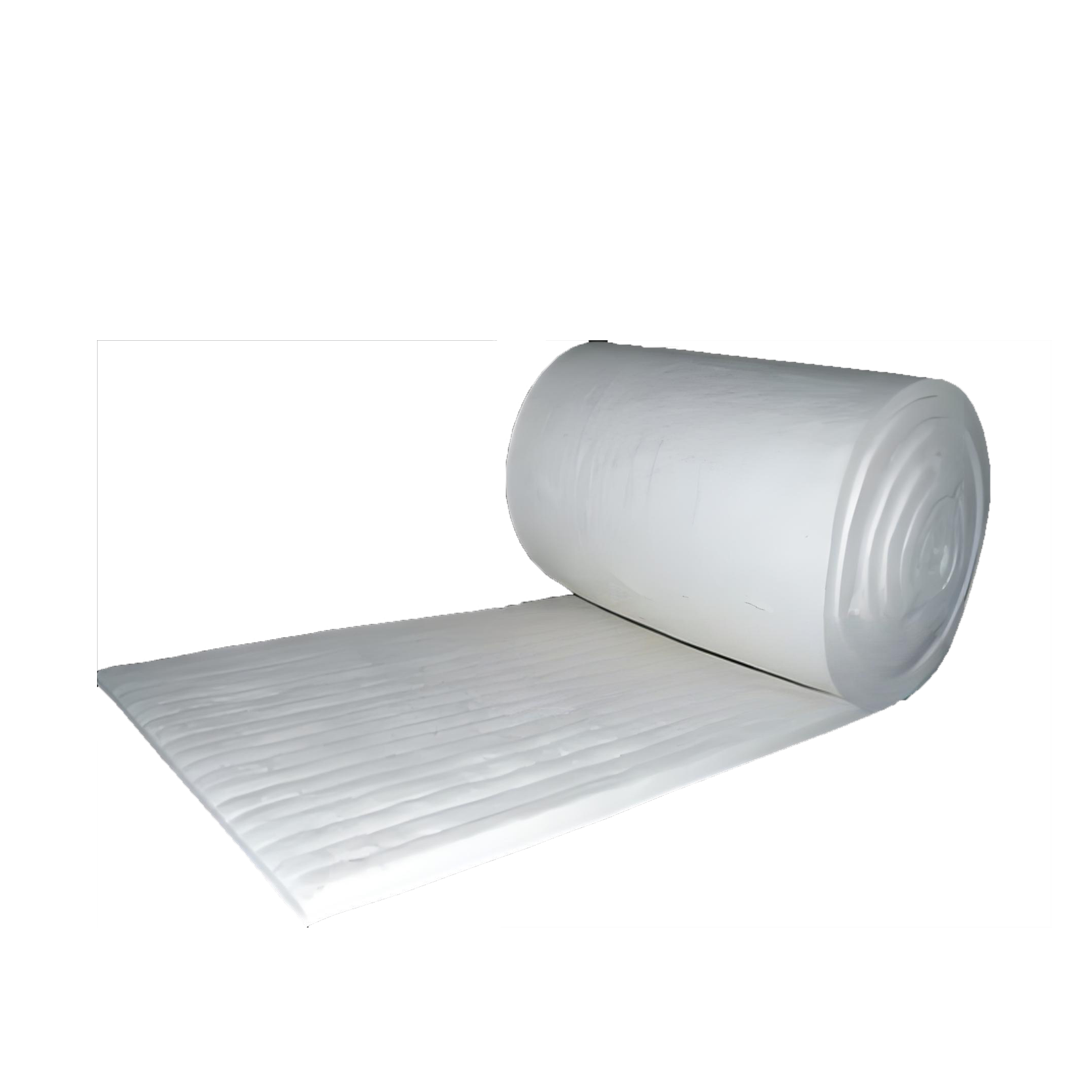
Aluminum silicate fiber standard blanket
It is a new type of refractory insulatio...
Product Inquiry
Please leave your message, we will contact you quickly after receiving it, thank you for your support!
common problem
Q
What are the main types of building insulation materials? What are the advantages and disadvantages of each?
A
Advantages: Good fire resistance (Class A non combustible), good breathability, and high stability.
Disadvantages: Slightly higher thermal conductivity than organic materials, higher water absorption rate, and easy generation of fiber dust during construction.
Organic insulation materials (such as EPS polystyrene board, XPS extruded board, PU polyurethane):
Advantages: low thermal conductivity, good insulation effect, light weight, and convenient construction.
Disadvantages: The fire rating is mostly B level (requiring the addition of flame retardants), it is prone to deformation at high temperatures, and its durability is slightly poor.
Composite insulation materials (such as integrated insulation board, vacuum insulation board):
Advantages: Excellent comprehensive performance, high construction efficiency, and some can achieve Class A fire protection.
Disadvantages: High cost and strict requirements for the flatness of the base layer.
Q
How to choose insulation materials suitable for the project?
A
Fire prevention requirements: Grade A materials are required for high-rise buildings (>100m); Low level B1 (flame retardant) is available.
Climate conditions: In extremely cold regions, materials with low thermal conductivity (such as PU, XPS) are preferred; Low water absorption is required in humid environment (such as XPS, foam glass).
Base type: Concrete walls often use boards; Complex shapes can be coated with polyurethane or insulated mortar.
Economy: EPS has the lowest cost; Vacuum insulation board is expensive but thin.
Policy and regulations: B2 level materials are prohibited in some areas, and local standards need to be consulted.