简体中文
简体中文 English
 繁体中文
繁体中文 Deutsch
 Русский
- Anwendungslösungen für Wärmekraftwerke mit Aluminiumsilikat
- Einsatzmöglichkeiten von Steinbaumwolle-Isolationsmaterialien für Außenwandsisolationssysteme
- Isolierungslösungen für Gummi-Kunststoffplatten/Rohre in Kühllagerkühlleitungen
- Polyurethan-Isolierrohre für kommunale Warmwasserversorgungssysteme
- Steinbaumwollplatten für den Verkehr
Isolierungslösungen für Gummi-Kunststoffplatten/Rohre in Kühllagerkühlleitungen
Isolierungslösungen für Gummi-Kunststoffplatten/Rohre in Kühllagerkühlleitungen
1. Programmhintergrund und Schmerzpunktanalyse
Kühllager-Kälteleitungen (einschließlich Absaugrohre, Flüssigkeitsversorgungsrohre, Rückluftrohre und parallele Leitungen) sind langfristig in einer niedrigen Temperaturumgebung von -40 ° C bis -10 ° C untergebracht. Traditionelle Isolationsmaterialien (wie Glasbaumwolle, Polyurethan) sind anfällig für folgende Probleme bei niedrigen Temperaturen:
Schmerzen. Konsequenzen.
Material zerbrechen, zusammenziehen Riss Bildung einer Kaltbrücke, Kälteleckage, steigender Energieverbrauch des Kompressors
Das Eindringen von Wasserdampf verursacht das Einfrieren Eiskristalle zerstören die Isolationsschicht und die Isolationsausfälle
Oberflächentropfen verursachen Korrosion auf dem Dach/der Wand, Eis auf dem Boden, Sicherheitsrisiken
Korrosion der Außenwände verkürzt die Lebensdauer der Rohre und erhöht die Wartungskosten
Komplexe Konstruktion (Dampfdichtung erforderlich) Lange Baudauer und hohe Arbeitskosten
Mit seiner geschlossenen elastischen Struktur, der Tieftemperaturstabilität und der integrierten Feuchtigkeitssicherheit sind Gummi- und Kunststoffplatten/Rohre die ideale Lösung für diese Probleme.
Vorteile der Eigenschaften von Gummi-Kunststoffmaterialien (für Kältelagerszenarien)
Indikatoren Parameter Bedeutung für die Kühllagerung
Anwendungstemperaturbereich -40 ℃ ~ +105 ℃
Vollständige Abdeckung unter kalten Lagerbedingungen ohne Risk
Wärmeleitfähigkeit ≤0,034 W/(m·K) (0 ℃ bei niedrigen Temperaturen immer noch eine ausgezeichnete Wärmeisolation, reduziert Kälteverluste
Feuchtigkeitswiderstand μ ≥8000 Keine zusätzliche Isolationsschicht erforderlich, eine Schicht ist gegen Wasserdampfdurchdringung resistent
Wasserabsorption ≤0,2% Absorbiert kein Wasser, verhindert die Zerstörung der Eiskristallstruktur
Schließrate ≥90% Bildung unabhängiger geschlossener Blasen, die Wasserdampfwege blockieren
Brandschutzklasse B1 (schwer brennbar)/B2 (brennbar) Erfüllt die Brandschutzspezifikationen für Kältelager (empfohlen B1)
Flexibilität Das Rohr kann gebogen und die Platte kann geschnitten werden. Passt an fremde Teile wie Ecken, Dreihänge, Ventile und andere
> ✅ Hauptvorteile: Gefrierschutz, dampffreie Schicht, geschlossene Luftfeuchtigkeit, hohe Konstruktionseffizienz und erhebliche Reduzierung des gesamten Lebenszyklus des Energieverbrauchs der Kühllager.
III. Klassifiziertes Isolierungsprogramm für Kühllagerkühlleitungen
Abhängig von Rohrleitungslage, Temperatur und Umgebungsfeuchtigkeit wird eine Differenzierung der Dicke und des Konstruktionsprozesses empfohlen.
3.1 Klassifizierung und Isolierung von Rohren
Rohrtyp Typische Temperatur Empfohlene Gummi-Kunststoffdicke Bauweise Hinweis
Niederdruck-Saugrohr (Vorderseite) -40 ℃ ~ -25 ℃ 35 ~ 50 mm (Doppelschicht-Fehlernaht) Doppelschicht + Vollverdichtung Gefrierschrank / Schnellschrank Kernrohrsegment
Mitteldruckrückluftrohr -25 ℃ ~ 10 ℃ 25 ~ 35mm Einzel- oder Doppelschicht Kühlraum, Kühlraum
Zufuhrleitung (vor dem Ausdehnungsventil) +10 ℃ ~ +30 ℃ 13 ~ 19mm Einzelschicht Kondensation verhindern
Heißgasleitung (Frostleitung) +40 ℃ ~ +80 ℃ 19 ~ 25mm Einzelschicht (Hochtemperaturbeständig) Beachten Sie die Obergrenze der Temperaturbeständigkeit des Materials
Parallelrohr -35 ℃ ~ -15 ℃ 40 ~ 50mm Doppelschichtfehlernaht Großer Rohrdurchmesser, Kältekonzentration
3.2 Erfahrungsformel zur Dickenwahl (speziell für die Kühllagerung)
> Für den Temperaturunterschied ΔT = Kufen − Umgebungs Taupunkt Temperatur:
> - ΔT ≤ 30 ℃: Gummi-Kunststoffdicke ≥ 25mm
> - ΔT = 30 ℃ ~ 45 ℃: Dicke ≥ 35mm
> - ΔT ≥ 45 ° C: Dicke ≥ 50 mm (muss doppelt schichtig sein)
Beispiel: Küchentemperatur -25 ° C, Umgebungstemperatur 30 ° C, relative Luftfeuchtigkeit 80% (Taupunkt ca. 26 ° C), ΔT = 51 ° C → empfohlene Dicke 50mm Doppelschicht. *
4. Bauprozess und Qualitätskontrolle (Schlüsselpunkte der Kühllagerung)
4.1 Materialauswahl
- Rohr: Der innere Durchmesser des entsprechenden Rohrdurchmessers entspricht dem Gummi-Plastikrohr (empfohlene vorgezogene Größe + 2 ~ 3mm, da sich das Material bei niedrigen Temperaturen leicht zusammenzieht)
- Platte: für Ventile, Flansche, Tanks, Ecken und andere fremde Teile
- Zusatzmaterial:
- Kautschuk-Kunststoff-spezieller Tieftemperaturkleber (-30 ° C bleibt klebrig)
- Wasserdichtes Dichtband (Aluminiumfolie oder druckempfindliches)
- Edelstahlband oder Nylonband mit niedriger Temperaturbeständigkeit
4.2 Konstruktionsschritte (Beispielsweise zweistöckige Installation)
Schritt 1: Vorbehandlung der Rohrleitung
- Entfernung von Öl, Rost und Staub
- Sicherstellen Sie, dass die Rohrleitung trocken ist (mit einer Heißluftpistole trocknen können)
Schritt 2: Beschichtung und Montage der ersten Schicht
- Gleichmäßig mit Tieftemperaturkleber auf die Außenwände und die Innenwände von Gummirohren beschichtet
- Bis der Kleber getrocknet wird (ca. 3 bis 5 Minuten), fügen Sie das Gummirohr ein und drücken Sie es fest
- Auftragen und Komprimieren des Klebstoffs an den Längsnahten, um keine Spalten zu gewährleisten
Schritt 3: Installation der zweiten Ebene (Fehlernaht erforderlich)
- Zweite Schicht Rohr und erste Schicht Längsnaht um 180°
- Zwei Schichten der Ringnähte müssen auch fehlen (nicht weniger als 300 mm)
- Die zweite Schicht ist ebenfalls verklebt, keine Lücken zwischen den Schichten lassen
Schritt 4: Bearbeitung fremder Teile (Ventile, Flansche, Ecken)
- Collage vor Ort schneiden mit Gummi-Plastik-Platten
- Die Ecken können mit "Garnelen-Taille" zusammengefügt werden
- Alle Schnitte versiegelt und mit einer Bandabdeckung befestigt
Schritt 5: Nahtdichtung (der wichtigste Schritt)
- Alle vertikalen, ringförmigen und abweichenden Außenflächen mit einer Leimschicht beschichtet
- sofort kleben wasserdichte Dichtband, Breite ≥ 50mm
- Bandverbindung ≥ 30mm, Komprimierung ohne Blasen
Schritt 6: Außenschutz (optional)
- Häufige Reparaturen: vorgefertigtes abnehmbares Gummi-Isoliergehäuse (aus Platten)
- Außenbereiche oder Bereiche mit hoher Luftfeuchtigkeit: Aluminiumfolie oder verzinkte Gehäuse
Materialauswahl empfohlen (nach Rohrdurchmesser und Dicke)
Rohrleitungsgröße (mm) Küchentemperatur -25 ℃ Empfohlener Innendurchmesser × Dicke Küchentemperatur -35 ℃ Empfohlenes Schema
DN20(Φ25) Innendurchmesser 25mm × Dicke 30mm Doppelschicht 20mm+20mm
DN40(Φ48) Innendurchmesser 48mm × Dicke 35mm Doppelschicht 25mm+25mm
DN50(Φ60) Innendurchmesser 60mm × Dicke 40mm Doppelschicht 30mm+25mm
DN80(Φ89) Innendurchmesser 89mm × Dicke 40mm Doppelschicht 30mm+30mm
DN100(Φ114) Innendurchmesser 114mm × Dicke 45mm Doppelschicht 35mm+35mm
Kurven / Drei Durchgänge
Vor Ort mit 40mm Gummiplatten schneiden
Zusammenfassung des Programms
Dimensionen Schlussfolgerungen
Materialauswahl Tieftemperaturgeschlossener Gummi (-40 °C, B1)
Dickenanforderungen Abhängig von ΔT-Auswahl, zwangsläufig 35 ~ 50mm Doppelschicht
Konstruktionskern Doppelschichtfehlernaht + Vollnachtskleber + Banddichtung
Schutzanforderungen Keine Dämpfungsdichtung, Außenbereiche oder starke Feuchtigkeit plus Aluminiumfoliengehäuse erforderlich
Der erwartete Effekt: Vermeidung des Gefriers, Verringerung der Kälteverluste um 30 bis 40 Prozent und Verlängerung der Lebensdauer der Rohrleitung um mehr als 10 Jahre
Verwandte Produkte
Aluminiumsilikat Textilbaumwolle
Aluminiumsilikat-Faser-Textilbaumwolle w...
Aluminiumsilikat Standard Baumwolle
Standardbaumwolle mit Aluminiumsilikat-F...
Standardmodul für Aluminiumsilikat
Es ist mit dem entsprechenden Material K...
Standarddecke aus Aluminiumsilikat
Es ist ein neuer Typ von feuerbeständige...
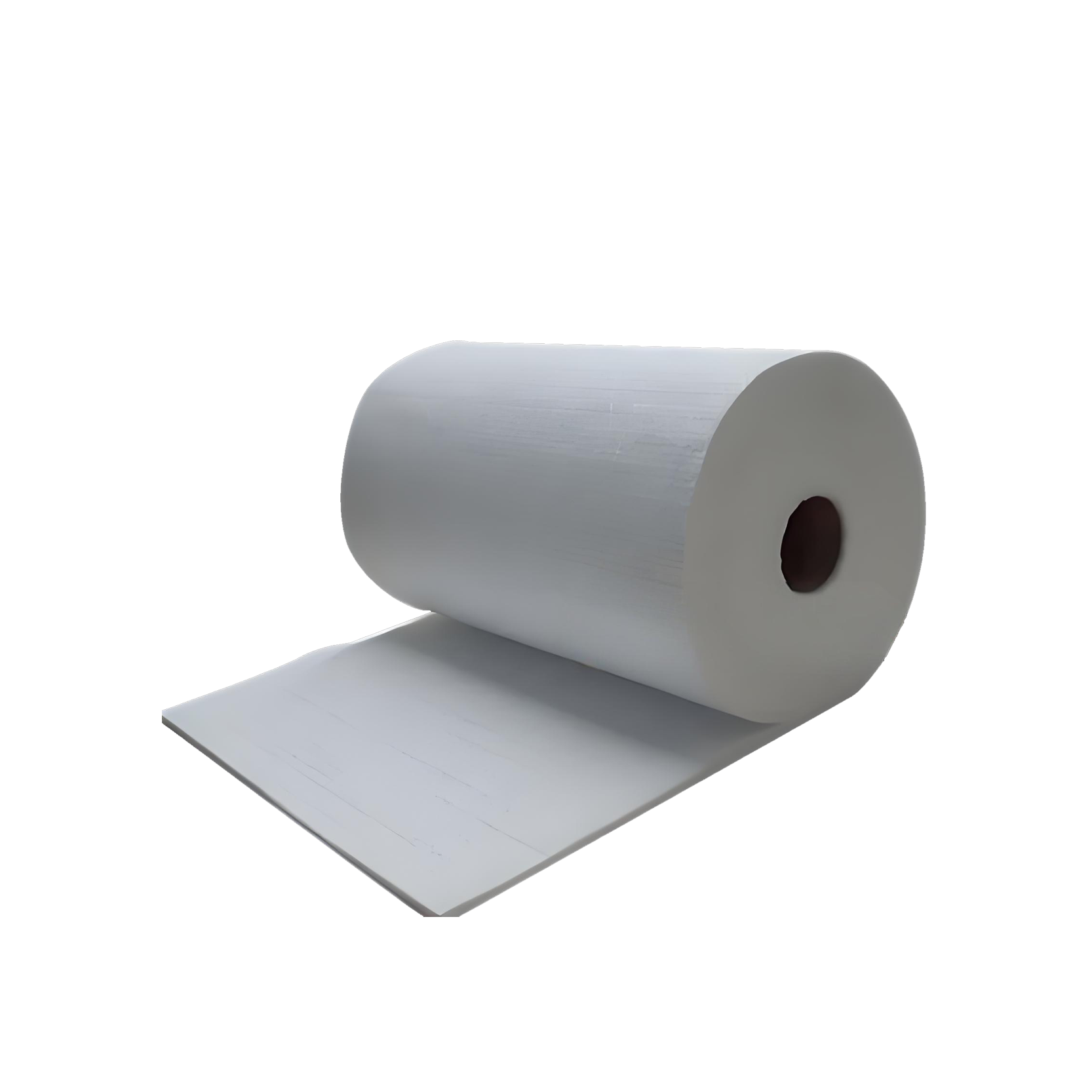
Aluminiumsilikat Faser Feuerwehr Rolle Decke
Aluminiumsilikat-Faser Feuerwehr-Rollend...
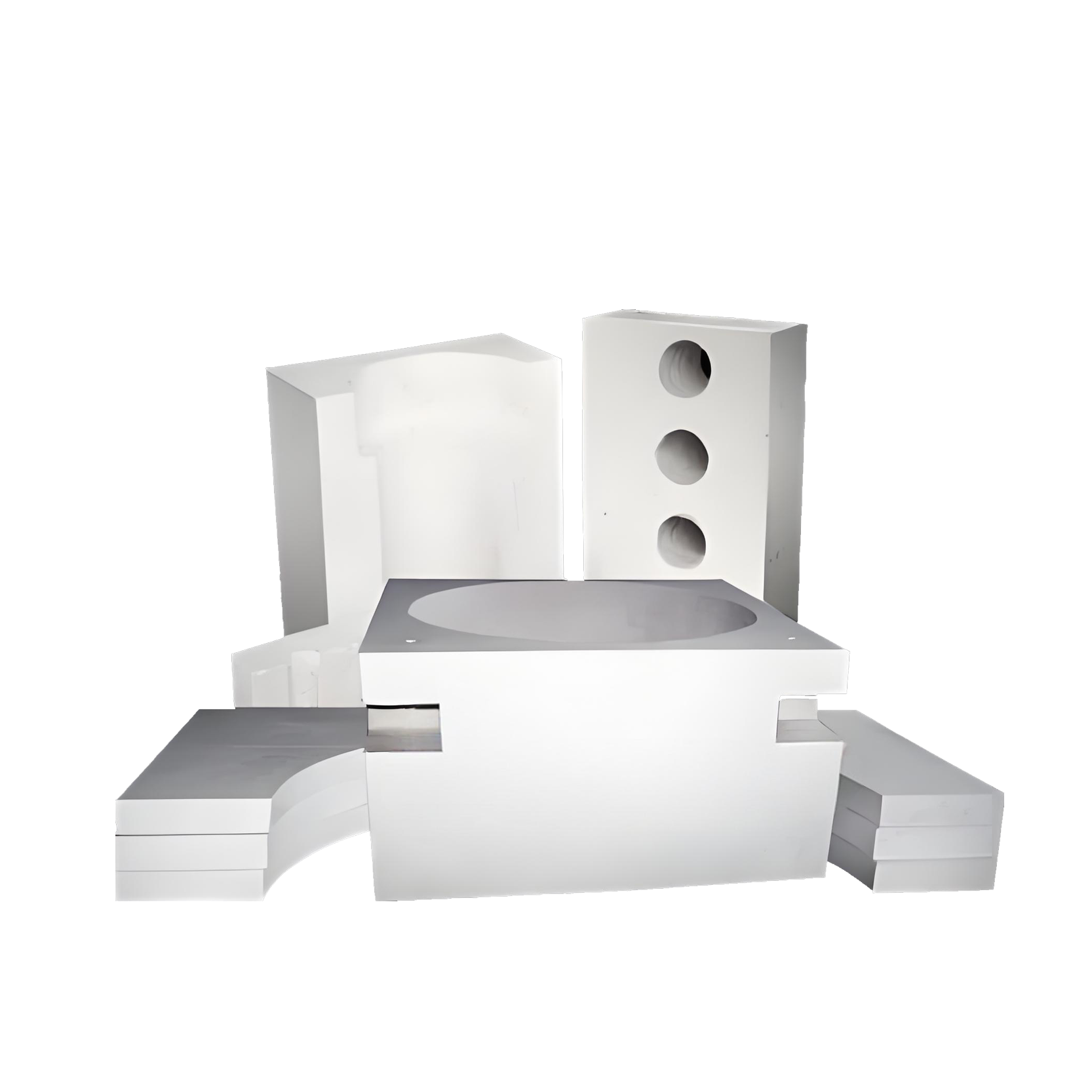
Aluminiumsilikat-Faserformteile
Mit hochwertiger Aluminiumsilikat-Baumwo...
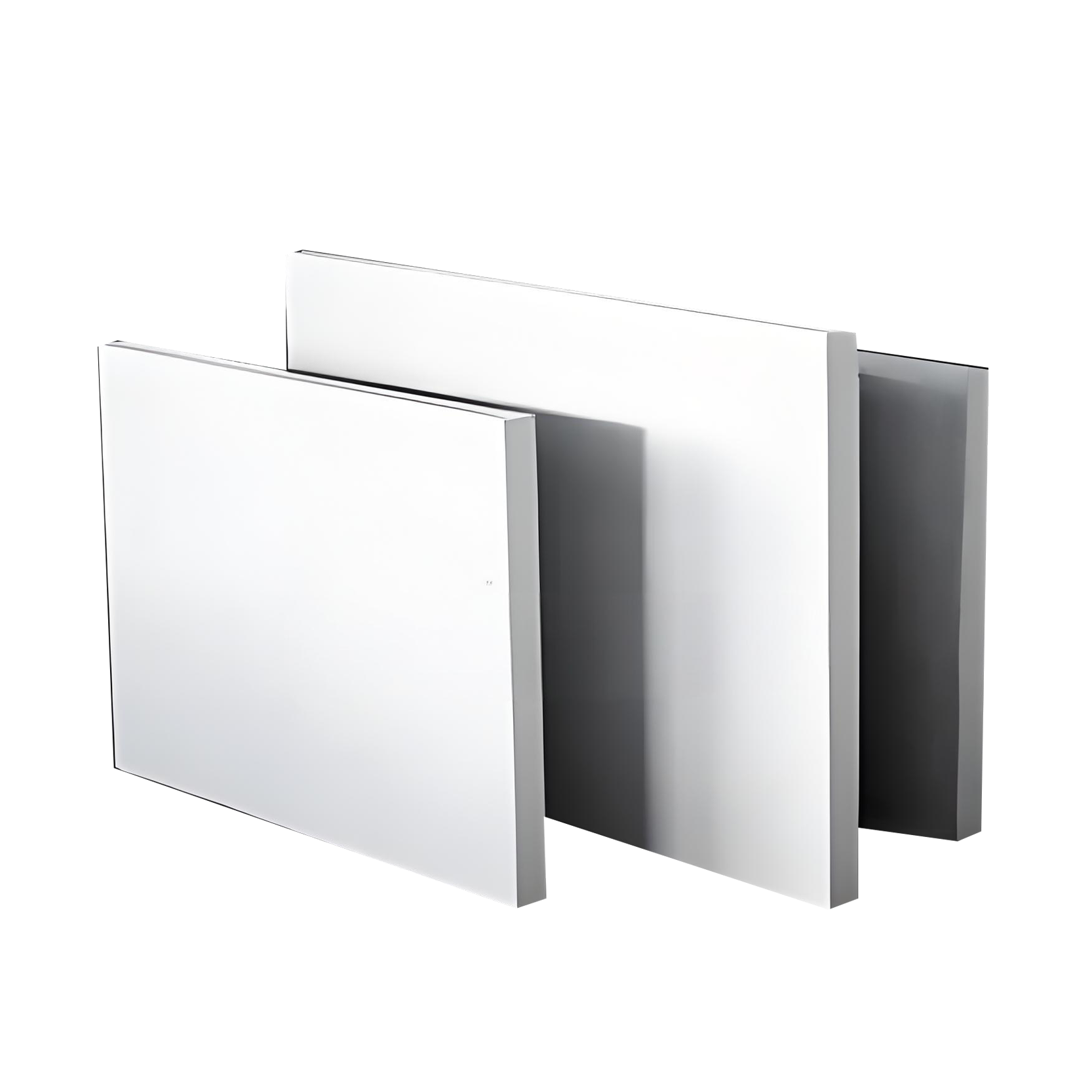
Aluminiumsilikat-Faser-Formplatte ist mi...
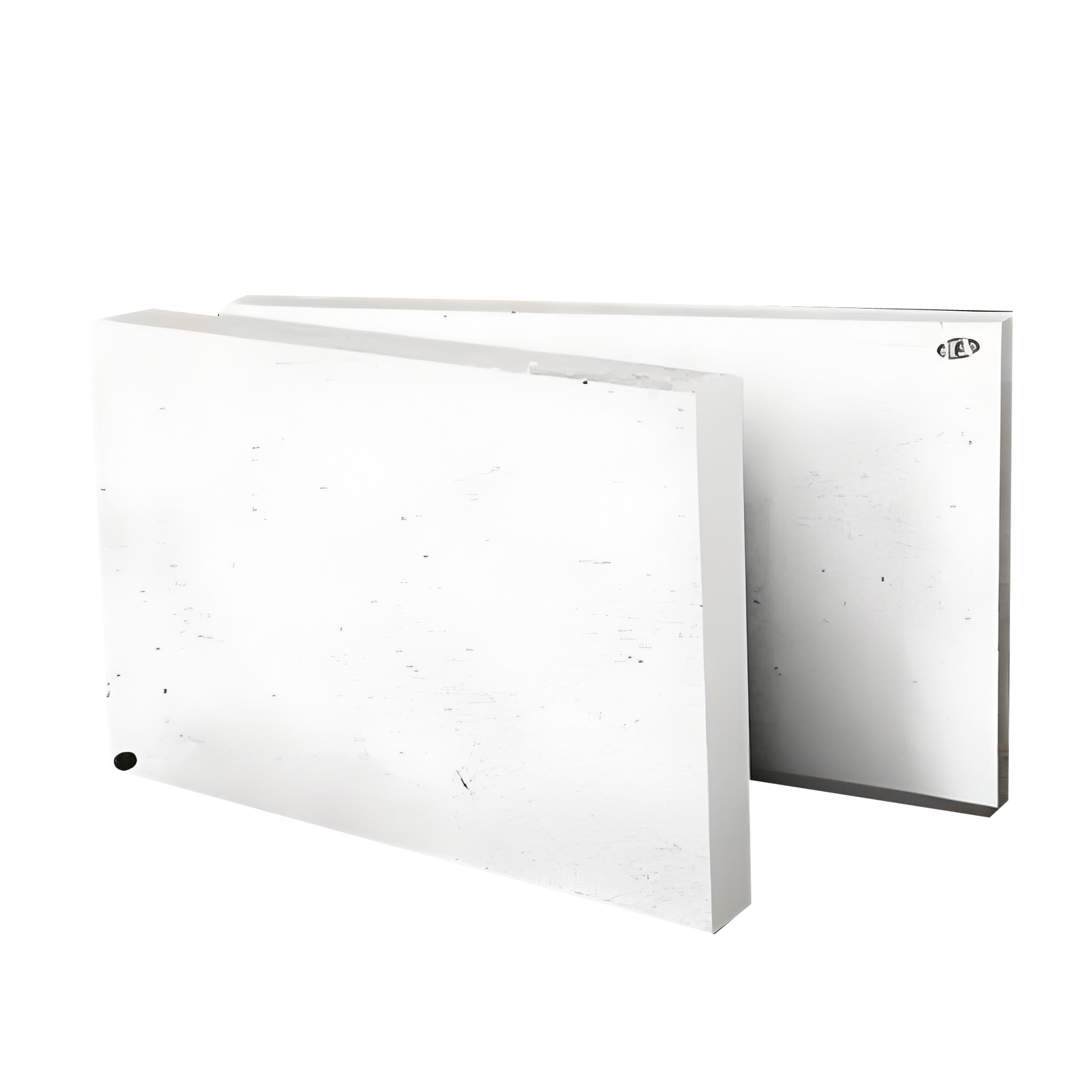
Aluminiumsilikat-Ofenbodenplatten
Aluminiumsilikat-Faser-Ofenbodenplatte a...