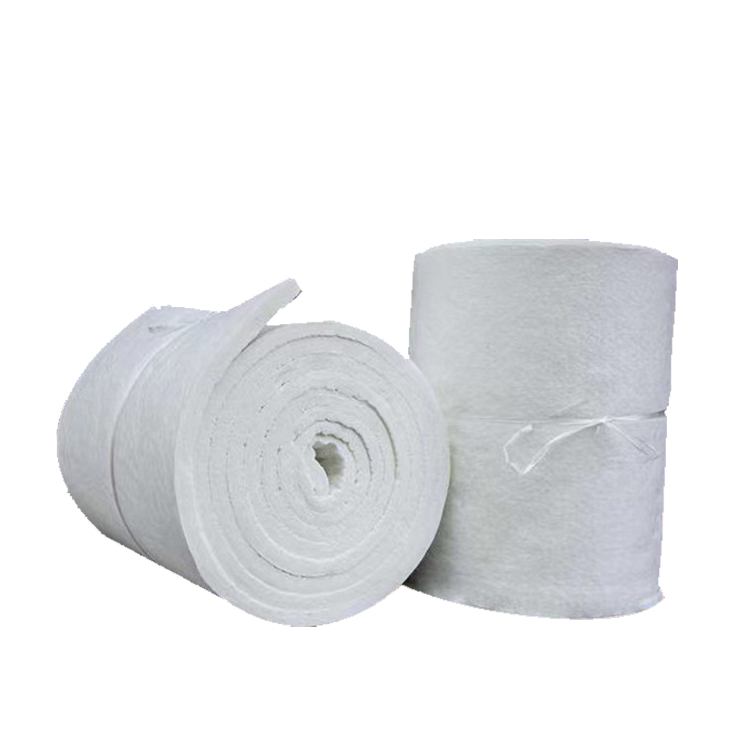
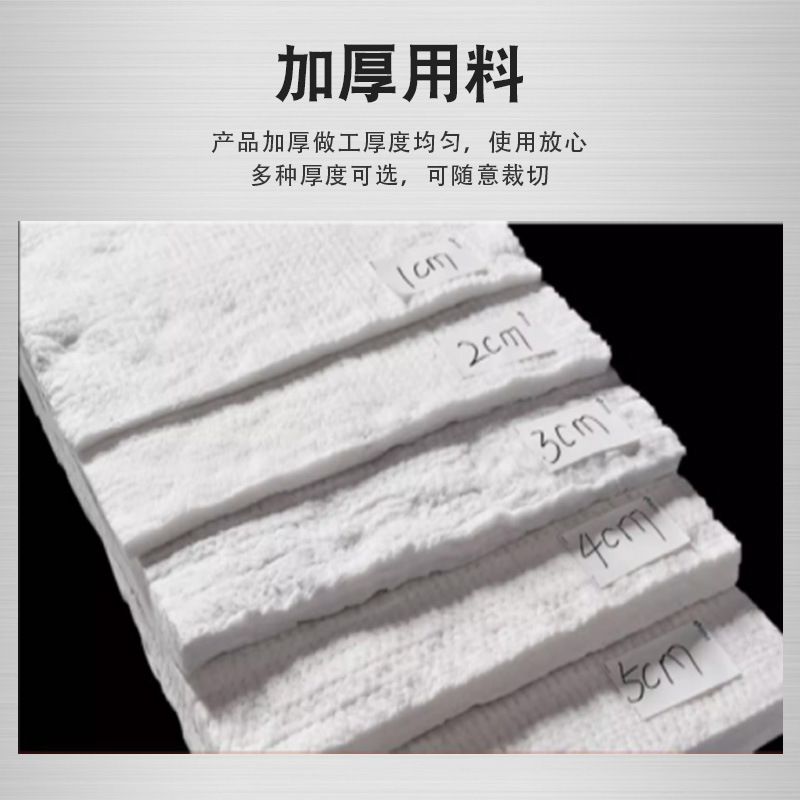
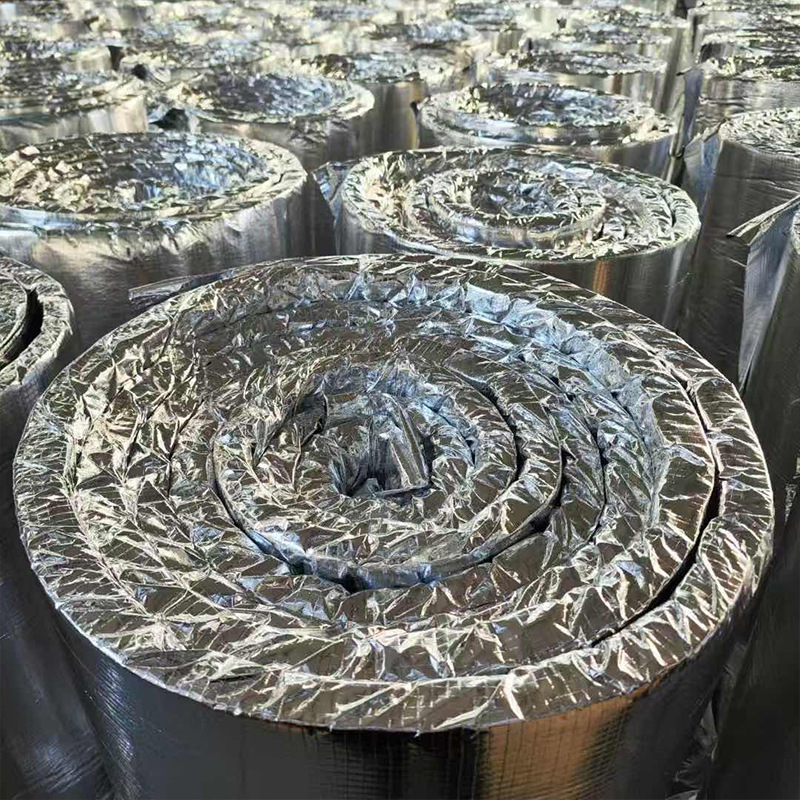
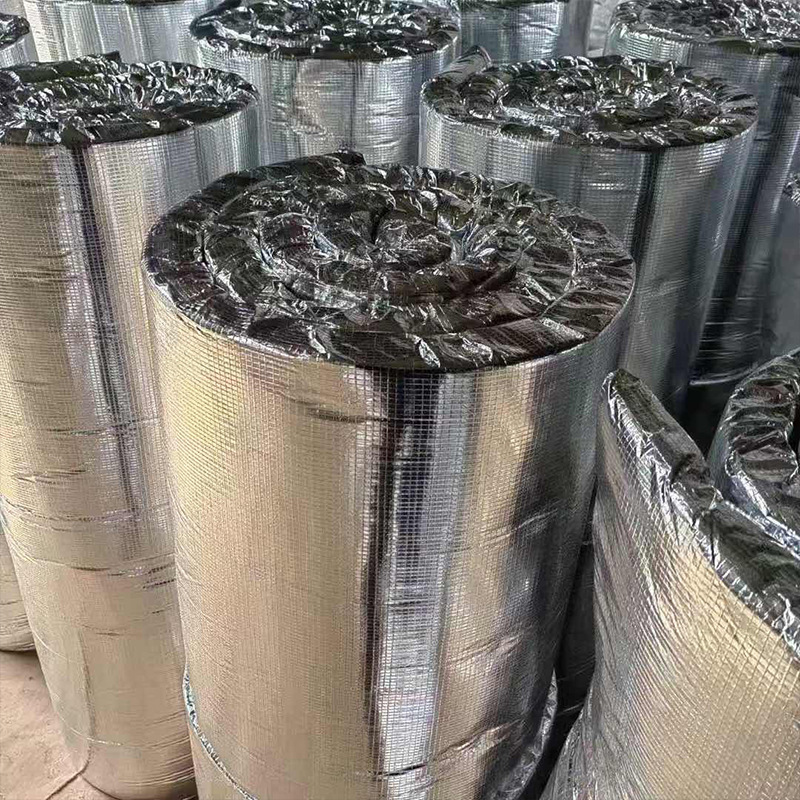
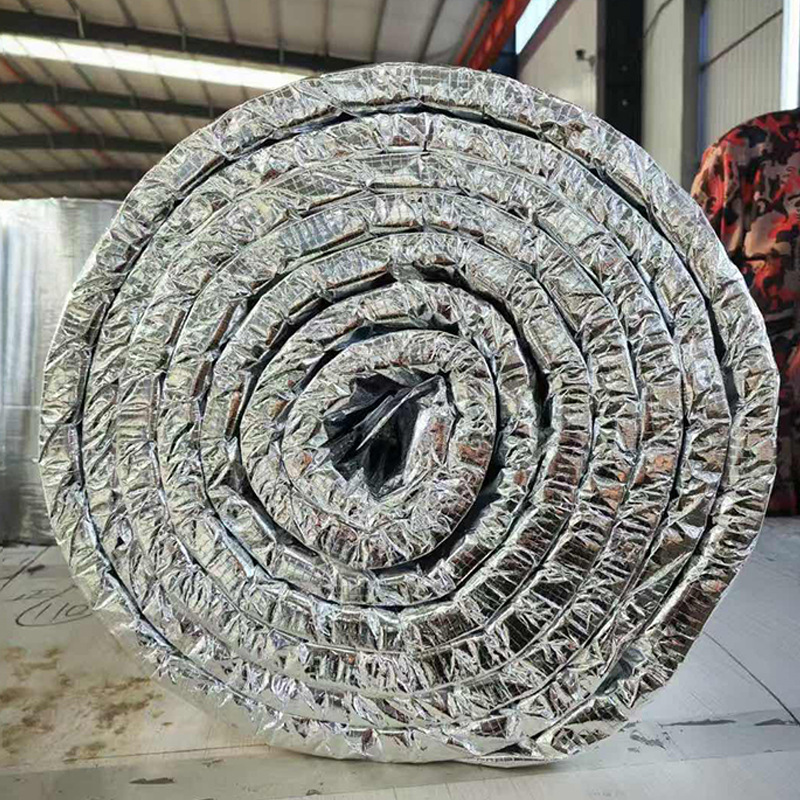
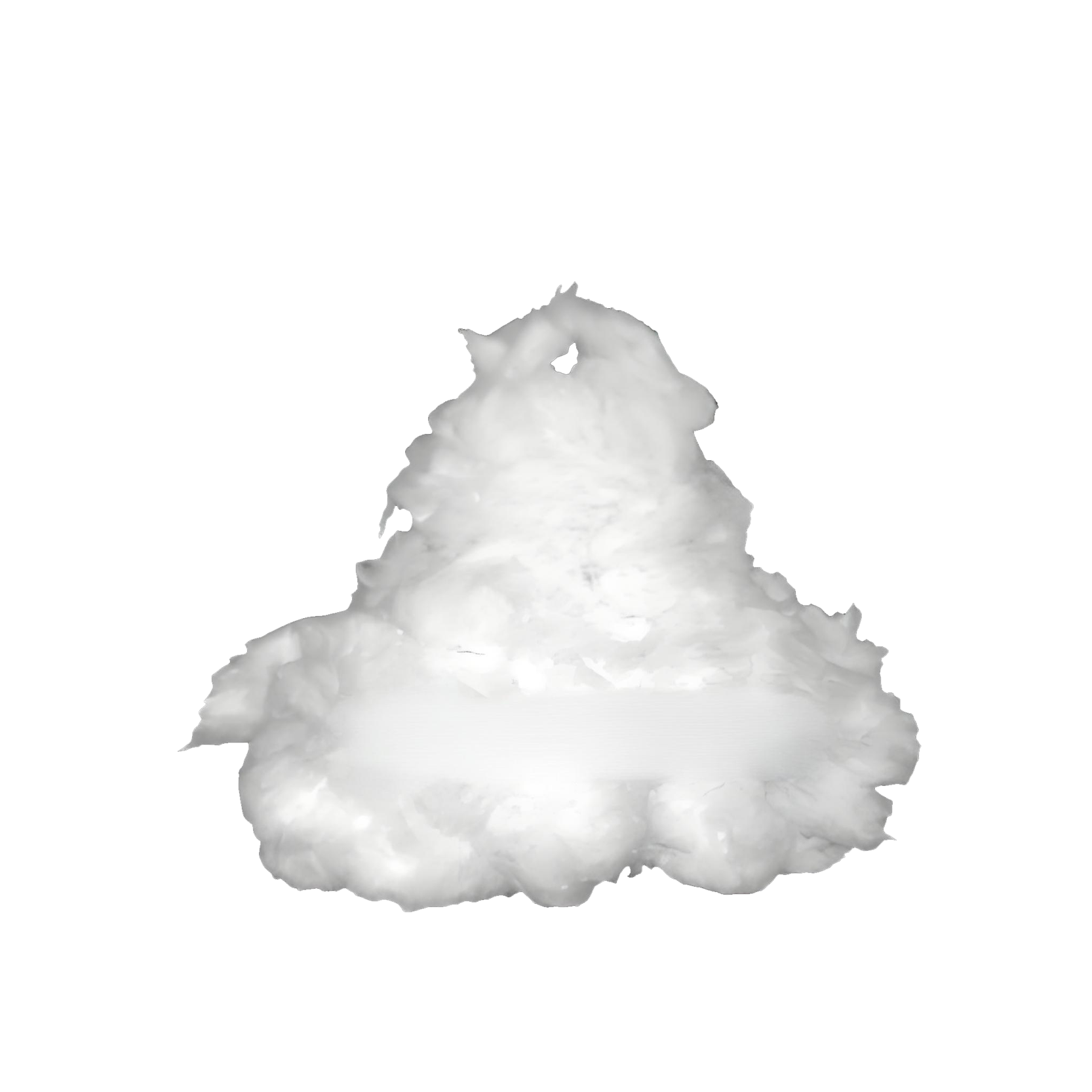
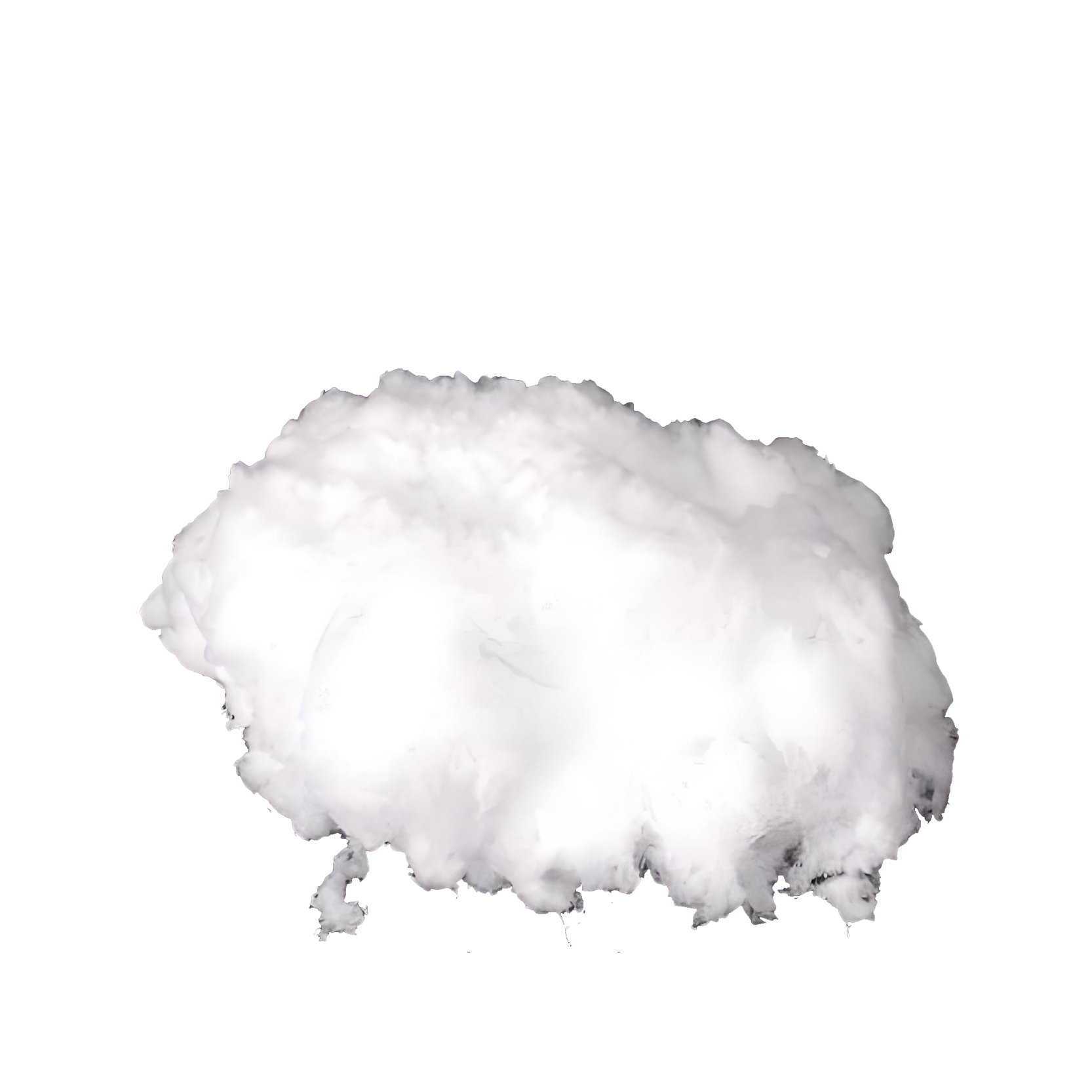
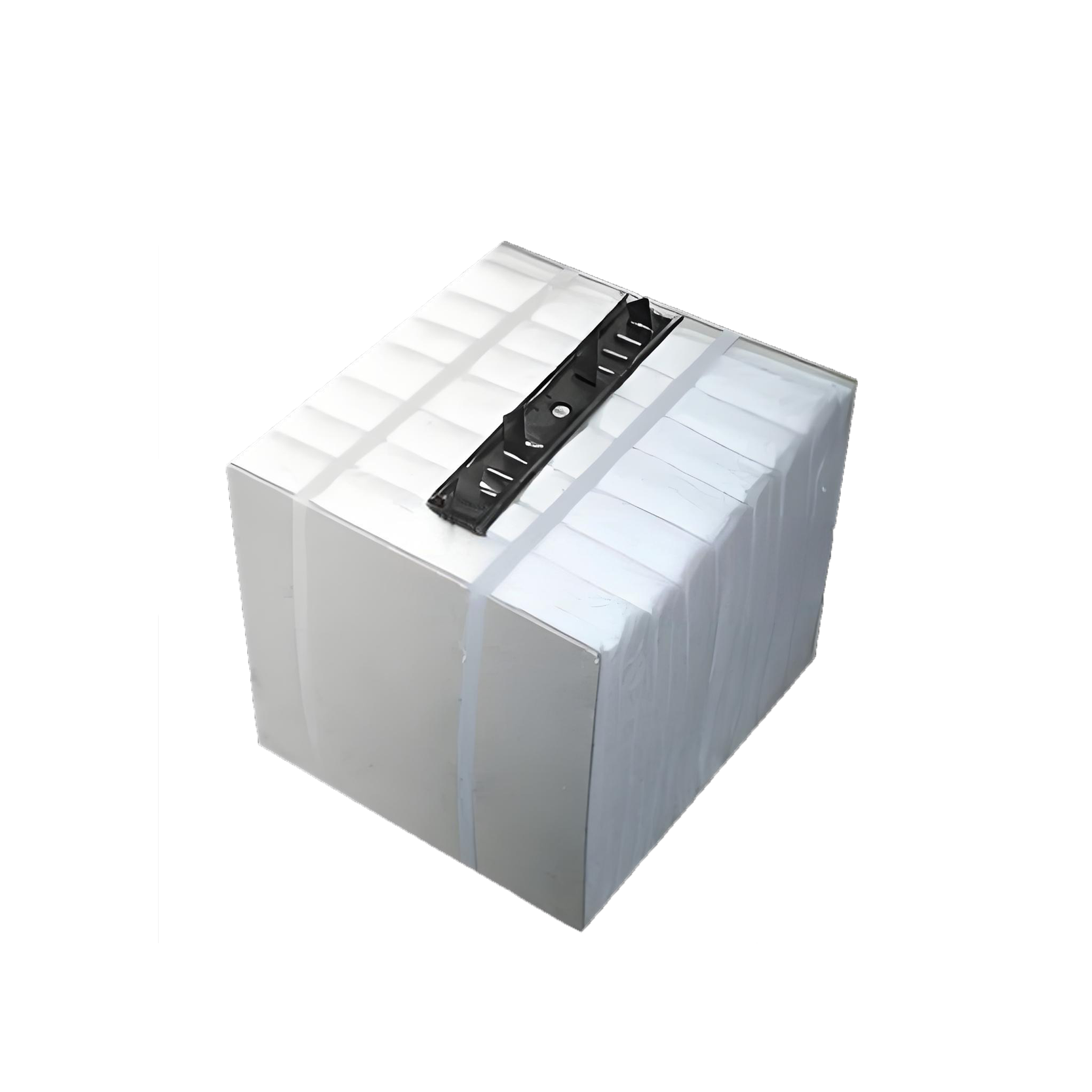
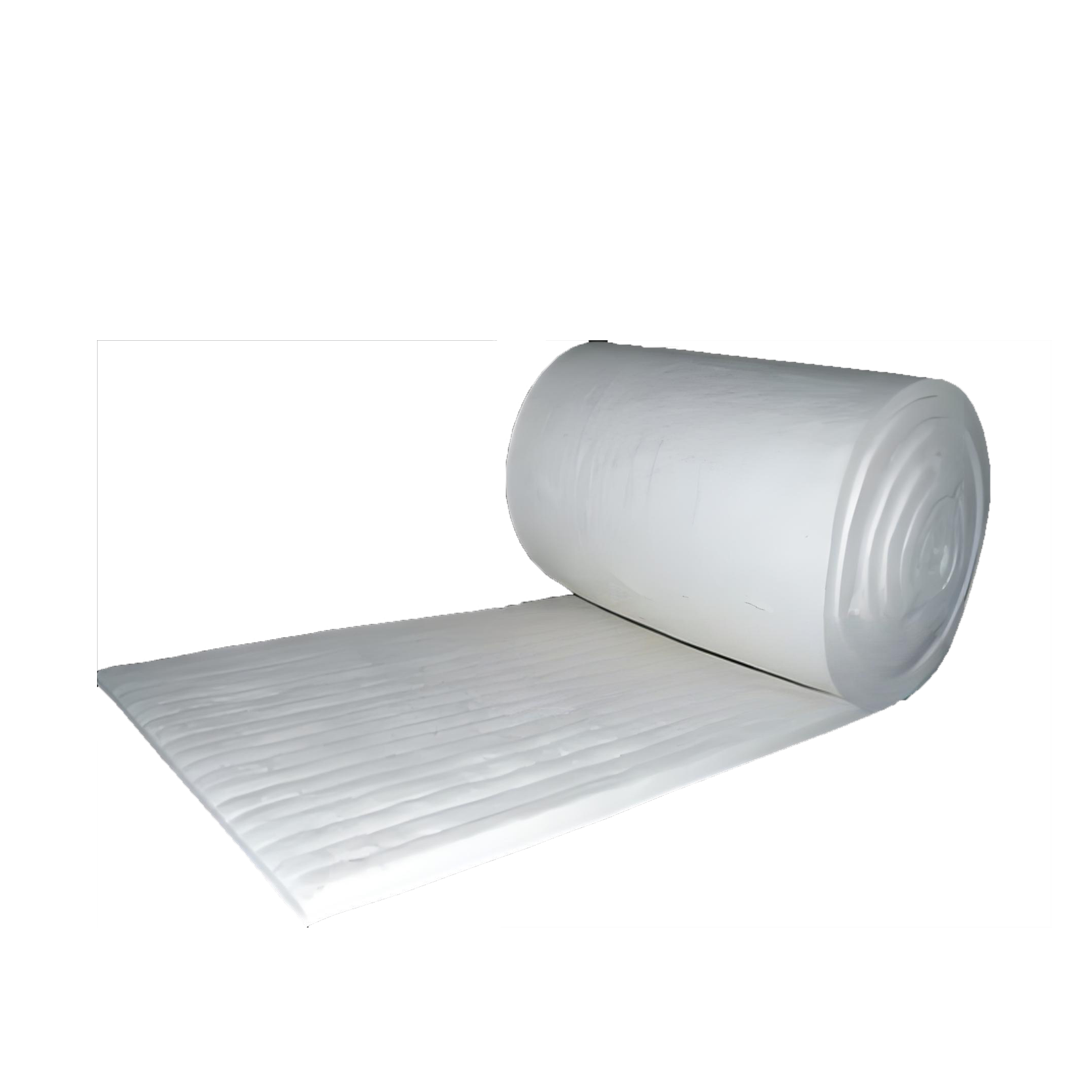
Aluminiumsilikat Feuerschutz Nadel Teppich
+
  • Aluminiumsilikat Feuerschutz Nadel Teppich
  • Aluminiumsilikat Feuerschutz Nadel Teppich
  • Aluminiumsilikat Feuerschutz Nadel Teppich
  • Aluminiumsilikat Feuerschutz Nadel Teppich
  • Aluminiumsilikat Feuerschutz Nadel Teppich

Aluminiumsilikat Feuerschutz Nadel Teppich

Aluminiumsilikat-Isolationsmaterial ist mit hochwertigem Cobra-Edelstein als Hauptrohstoff, schmelzen, zentrifugieren oder verdrahten durch einen Hochtemperatur-Ofen über 2000 C.
  • Details zum Produkt

  • Aluminiumsilikat-Isolationsmaterial ist ein hochwertiges Cobra-Edelstein als Hauptrohstoff, das durch den Hochtemperaturofen über 2000 ° C geschmolzen, zentrifugiert oder gedrahtet wird, und nach dem Hinzufügen eines speziellen Bindemittels ausgehärtet wird. Seine Faserverbindung bildet eine mikroporische Struktur, der Anteil der inneren Stillluft ist hoch, so dass es leichtes Gewicht, hohe Temperaturbeständigkeit, niedrige Wärmeleitfähigkeit, gute Wärmestabilität und ausgezeichnete Wärmeschockbeständigkeit hat. Die Vielfalt der Produkte, einschließlich Aluminiumsilikat-Platte, Aluminiumsilikat-Filz / Decke, Aluminiumsilikat-Rohrgehäuse, Aluminiumsilikat-Formteile usw., ist weit verbreitet in elektrischen Kesseln, Industrieöfen, petrochemischen Hochtemperatur-Ausrüstungen, Schiffe Feuerschutz, Gebäude Feuerschutztüren und anderen Bereichen der Isolierung und Feuerschutz.


    Niedrige Wärmeleitfähigkeit und Energieeinsparung: Der Wärmeleitfähigkeitskoeffizient kann bei Normaltemperatur bis zu 0,034 W/(m·K) niedrig sein und unter 600 °C-Oberflächenbedingungen immer noch innerhalb von 0,18 W/(m·K) gesteuert werden. Im Vergleich zu herkömmlichen feuerbeständigen Ziegeln oder Steinbaumwolle kann der Wärmeverlust unter der gleichen Dicke um 20 bis 35% reduziert werden und die Wärmeeffizienz des Ofens und der Rohrleitung erheblich verbessert werden.


    Wärmestabilität und Wärmeschockbeständigkeit: Die Faserstruktur ermöglicht es, eine schnelle Erhöhung der Kühlung ohne Riss und ohne Ausschaltung zu ertragen. Bei Industrieöfen in Langzeitbetrieb oder in der Zwischenproduktion ist die Lebensdauer deutlich besser als bei harten feuerfesten Materialien.


    Mechanische Festigkeit und Flexibilität: Nadelteppichfestigkeit von bis zu 10 bis 35 kPa, mit einer gewissen Flexibilität, um fremde Geräte (wie Ventile, Ecken, Brenneröffnungen) zu bedecken; Aluminiumsilikatplatten sind formstabil und eignen sich für Teile, die durch Luftströme gespült werden oder eine hohe Festigkeit erfordern.


    Chemische Stabilität und Korrosionskontrolle: Säure-Alkali-Beständigkeit bei herkömmlichen Modellen (mit Ausnahme von Fluorwasserstoff- und konzentrierter Phosphorsäure). Bei Berührung mit austenitischem Edelstahl können Produkte mit "niedriger Korrosion" ausgewählt werden, um das Risiko von Spannungskorrosionsrissen zu vermeiden, indem der Gehalt an lösbaren Ionen (wie Cl-, F-, S²-) kontrolliert wird.


    Abdecken.


     ** Oberflächenbehandlungsempfehlung **: Auf Teilen, die Luftströmung spülen oder Vibrationsanforderungen haben, können Sie Hochtemperatur-Oberflächenmaterialien außerhalb der Isolationsschicht auftragen oder Edelstahlnetze verlegen, um die Lebensdauer zu verlängern.


    Verschiedene Szenenvergleiche:


    Produktform Anwendungsszenarien Dichtebereich (kg/m³ Typische Temperatur)

    Aluminiumsilikatplatte Industrieofenwandbelegung, Ofentür-Innenbelegung, Brandtür-Kern 80-600 ≤1260 ℃

    Aluminiumsilikat Filz / Decke Kesselkörper, Rohrverkleidung, Schweißwärmebehandlung Isolierung 60-160 ≤1350 ℃

    Aluminiumsilikat-Rohrgehäuse Wärmerohrnetz, petrochemische Dampfleitung 100-180 ≤1000 ℃

    Fremdkörper Ventil, Flansch, Brenneröffnung, Blickloch nach Zeichnung angepasst ≤1350 ℃


    Branchenanwendung:


    Elektrizitätsindustrie * Wärmekraft, Kernkraft, Müllerzeugung): Kesselbrennerbereich, Hochtemperatur-Rauchkanäle, Dampfturbine-Isolierung, häufig verwendete Decken mit hohem Aluminium- oder Zirkonhaltstoff, mit Metallgehäusen.


    Petrochemische Industrie (Kraker, Umwandlungsofen, Heizofen): Einrichtungsofen mit einer vollständigen Faserstruktur oder einer Isolationsschicht, die hohe Anforderungen an die chemische Reinheit der Fasern und die hohe Temperaturshrinkabilität hat, wird empfohlen, eine hochreine oder zirkonhaltige Decke zu wählen.


    Ofenherstellung und Reparatur: Kann für den Bau neuer Ofene, thermische Reparaturen und die Abdichtung von Ofentüren verwendet werden. Bei der Verwendung wird eine schichtförmige Fehlernaht empfohlen, die sich an den Nahten überlappt ≥ 100 mm.


    Gebäude Feuerschutz: als Feuertür, Firewall, Feuerschutz Roll Vorhang Füllmaterial, Dichte in der Regel ≥ 100 kg / m³, muss die Verbrennungsleistungsanforderungen der GB 8624 A1-Klasse erfüllen.


    Qualitätsstandards und Zertifizierungen:


    Ausführungsstandard: GB/T 16400-2023 "Aluminiumsilikat-Baumwolle für Wärmeisolierung und ihre Produkte"


    Optionale Prüfelemente: Wärmeleitfähigkeit, Schlackkugelgehalt, Leitungskontraktivität, Zugfestigkeit, Verbrennungsgrad, Gehalt an korrosiven Ionen


    Drittanbieter-Typ-Inspektionsberichte und Werk-Selbstprüfungsberichte verfügbar


Produkt-Anfrage

Bitte hinterlassen Sie Ihre Nachricht, wir werden uns nach Erhalt schnell mit Ihnen in Verbindung setzen, vielen Dank für Ihre Unterstützung!

Aluminiumsilikat Feuerschutz Nadel Teppich
  • Was Art von Produkt benötigen Sie?
  • Was ist Ihr Budget?
  • Was anderen Informationen, die Sie wissen müssen?

Häufiges Problem

Q

Welche Arten von Bauisolationsmaterialien gibt es hauptsächlich? Welche Vorteile und Nachteile hat jeder?


A

Anorganische Isolierstoffe (z. B. Steinbaumwolle, Glasbaumwolle, Schaumstoffglas):
Vorteile: gute Brandschutz (A-Klasse nicht brennbar), gute Luftdurchlässigkeit und hohe Stabilität.
Nachteile: Wärmeleitfähigkeit etwas höher als organische Materialien, hohe Wasserabsorption und leichte Herstellung von Faserstaub.
Organische Isolationsmaterialien (z. B. EPS-Polybenzenplatte, XPS-Extrusionsplatte, PU-Polyurethan):
Vorteile: niedrige Wärmeleitfähigkeit, gute Wärmedämmung, leichte Qualität und einfache Konstruktion.
Nachteile: Die Brandschutzklasse ist meist Klasse B (Flammschutzmittel hinzugefügt werden muss), bei hohen Temperaturen kann sich leicht deformieren und die Haltbarkeit ist etwas schlechter.
Verbundwärmeisolierende Materialien (z. B. Wärmeisolierungsplatten, Vakuumisolierungen):
Vorteile: Ausgezeichnete Leistung, hohe Baueffizienz und teilweise eine Brandschutzklasse von A.
Nachteile: hohe Kosten und hohe Anforderungen an die Grundebenheit.

Q

Wie wähle ich das passende Wärmematerial aus?


A

Folgende Faktoren müssen integriert werden:
Brandschutzanforderungen: Hochgeschossgebäude (> 100 m) benötigen Material der Klasse A. Die untere Ebene ist in der Klasse B1 (schwer brennbar) verfügbar.
Klimabedingungen: Materialien mit niedriger Wärmeleitfähigkeit (wie PU, XPS) werden in kalten Gebieten bevorzugt; Eine feuchte Umgebung erfordert eine geringe Wasseraufnahme (z. B. XPS, Schaumstoffglas).
Grundlagentyp: Betonwandplatten für mehrere Zwecke; Komplexe Formierungen können optional mit Polyurethan oder Isolationsmörtel beschichtet werden.
Wirtschaftlichkeit: niedrigste EPS-Kosten; Vakuum-Wärmedämmung teuer, aber dünn.
Richtlinien: B2-Materialien sind in einigen Gebieten verboten und erfordern lokale Standards.

Wenn Sie mehr über Honor erfahren möchten, besuchen Sie unsere offizielle Website, auf der Sie umfassende und detaillierte Informationen erhalten können!


Copyright © 2012-202X XX Company All rights reserved

Hinterlassen Sie Ihre Nachricht

Wenn Sie Anregungen oder Fragen an uns haben, können Sie uns gerne kontaktieren!

We use cookie to improve your online experience. By continuing to browse this website, you agree to our use of cookie.

Cookies

Please read our Terms and Conditions and this Policy before accessing or using our Services. If you cannot agree with this Policy or the Terms and Conditions, please do not access or use our Services. If you are located in a jurisdiction outside the European Economic Area, by using our Services, you accept the Terms and Conditions and accept our privacy practices described in this Policy.
We may modify this Policy at any time, without prior notice, and changes may apply to any Personal Information we already hold about you, as well as any new Personal Information collected after the Policy is modified. If we make changes, we will notify you by revising the date at the top of this Policy. We will provide you with advanced notice if we make any material changes to how we collect, use or disclose your Personal Information that impact your rights under this Policy. If you are located in a jurisdiction other than the European Economic Area, the United Kingdom or Switzerland (collectively “European Countries”), your continued access or use of our Services after receiving the notice of changes, constitutes your acknowledgement that you accept the updated Policy. In addition, we may provide you with real time disclosures or additional information about the Personal Information handling practices of specific parts of our Services. Such notices may supplement this Policy or provide you with additional choices about how we process your Personal Information.


Cookies

Cookies are small text files stored on your device when you access most Websites on the internet or open certain emails. Among other things, Cookies allow a Website to recognize your device and remember if you've been to the Website before. Examples of information collected by Cookies include your browser type and the address of the Website from which you arrived at our Website as well as IP address and clickstream behavior (that is the pages you view and the links you click).We use the term cookie to refer to Cookies and technologies that perform a similar function to Cookies (e.g., tags, pixels, web beacons, etc.). Cookies can be read by the originating Website on each subsequent visit and by any other Website that recognizes the cookie. The Website uses Cookies in order to make the Website easier to use, to support a better user experience, including the provision of information and functionality to you, as well as to provide us with information about how the Website is used so that we can make sure it is as up to date, relevant, and error free as we can. Cookies on the Website We use Cookies to personalize your experience when you visit the Site, uniquely identify your computer for security purposes, and enable us and our third-party service providers to serve ads on our behalf across the internet.

We classify Cookies in the following categories:
 ●  Strictly Necessary Cookies
 ●  Performance Cookies
 ●  Functional Cookies
 ●  Targeting Cookies


Cookie List
A cookie is a small piece of data (text file) that a website – when visited by a user – asks your browser to store on your device in order to remember information about you, such as your language preference or login information. Those cookies are set by us and called first-party cookies. We also use third-party cookies – which are cookies from a domain different than the domain of the website you are visiting – for our advertising and marketing efforts. More specifically, we use cookies and other tracking technologies for the following purposes:

Strictly Necessary Cookies
These cookies are necessary for the website to function and cannot be switched off in our systems. They are usually only set in response to actions made by you which amount to a request for services, such as setting your privacy preferences, logging in or filling in forms. You can set your browser to block or alert you about these cookies, but some parts of the site will not then work. These cookies do not store any personally identifiable information.

Functional Cookies
These cookies enable the website to provide enhanced functionality and personalisation. They may be set by us or by third party providers whose services we have added to our pages. If you do not allow these cookies then some or all of these services may not function properly.

Performance Cookies
These cookies allow us to count visits and traffic sources so we can measure and improve the performance of our site. They help us to know which pages are the most and least popular and see how visitors move around the site. All information these cookies collect is aggregated and therefore anonymous. If you do not allow these cookies we will not know when you have visited our site, and will not be able to monitor its performance.

Targeting Cookies
These cookies may be set through our site by our advertising partners. They may be used by those companies to build a profile of your interests and show you relevant adverts on other sites. They do not store directly personal information, but are based on uniquely identifying your browser and internet device. If you do not allow these cookies, you will experience less targeted advertising.

How To Turn Off Cookies
You can choose to restrict or block Cookies through your browser settings at any time. Please note that certain Cookies may be set as soon as you visit the Website, but you can remove them using your browser settings. However, please be aware that restricting or blocking Cookies set on the Website may impact the functionality or performance of the Website or prevent you from using certain services provided through the Website. It will also affect our ability to update the Website to cater for user preferences and improve performance. Cookies within Mobile Applications

We only use Strictly Necessary Cookies on our mobile applications. These Cookies are critical to the functionality of our applications, so if you block or delete these Cookies you may not be able to use the application. These Cookies are not shared with any other application on your mobile device. We never use the Cookies from the mobile application to store personal information about you.

If you have questions or concerns regarding any information in this Privacy Policy, please contact us by email at . You can also contact us via our customer service at our Site.